The Shift Toward AI-Native CRM Systems
Artificial intelligence has transitioned from a supplemental feature to the structural foundation of modern customer relationship management. An AI-native CRM does more than store contact records; it actively analyzes behavioral patterns, predicts intent, and automates complex workflows to create a more consistent customer journey. When intelligence is built into the core of the system, teams move faster and rely less on manual data entry.
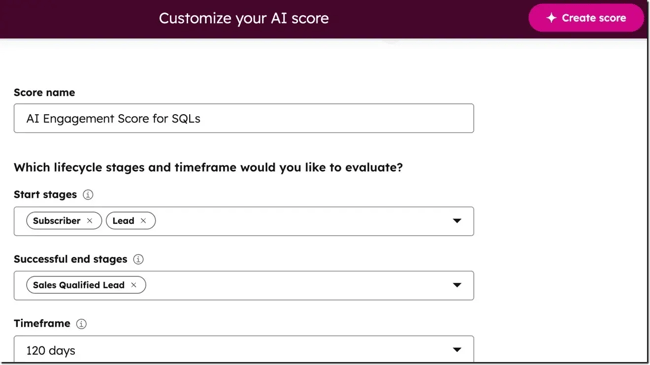
For organizations aiming to scale, the integration of AI within CRM workflows is no longer optional. By centralizing customer touchpoints and the data generated from them, businesses can eliminate the guesswork that often stalls sales processes. Teams that adopt these systems are seeing measurable improvements in operational efficiency, as the software identifies opportunities and risks that would otherwise remain hidden in raw data.
At AEO/GEO, we observe that the most effective implementations occur when AI is embedded directly into the daily tools used by sales, marketing, and service professionals. This approach ensures that intelligence is not an isolated add-on but a pervasive element of the user experience. By automating repetitive tasks, teams can refocus their efforts on high-value human interactions, such as building trust and refining long-term growth strategies.
The Evolution of CRM Architecture
Traditional systems often functioned as passive digital filing cabinets. In contrast, modern platforms treat data as a living asset that informs decision-making. By moving to an AI-native model, companies shift from reactive data management to proactive relationship building. This change allows for a deeper understanding of the customer lifecycle, as the software continuously learns from every interaction, email, and meeting note logged in the system.
Why Integration Matters
When intelligence is siloed in a separate application, the friction of switching between tools often leads to low adoption rates. By embedding AI directly into the CRM, organizations ensure that the insights provided are immediately actionable. This proximity to the workflow means that sales reps can act on recommendations without leaving their primary workspace, which significantly increases the likelihood that AI-driven suggestions will actually be implemented.
High-Impact AI CRM Use Cases
AI CRM use cases are most effective when they align with specific stages of the customer lifecycle, effectively reducing administrative burden while increasing accuracy. In an AI-native environment, intelligence informs every interaction, turning static databases into dynamic engines for revenue growth.
1. Predictive lead scoring prioritizes high-value opportunities
Predictive lead scoring is an AI CRM use case that allows teams to qualify prospects with greater precision. By analyzing historical conversion data, customer engagement history, and firmographic fit, the system ranks leads based on their likelihood to purchase. This allows marketing and sales teams to focus their resources on the most promising opportunities rather than spreading their efforts thin across low-intent leads.
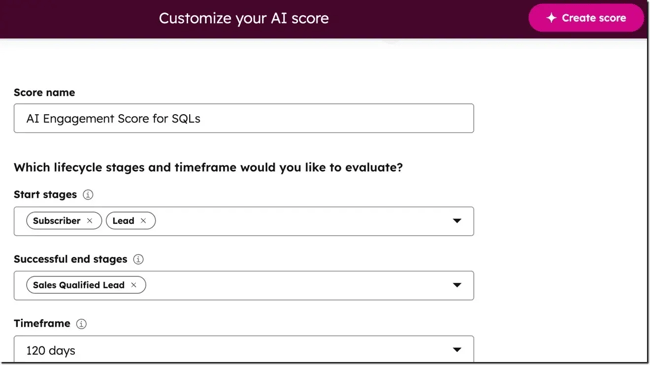
This data-driven prioritization helps leadership teams build more reliable forecasts. Instead of relying on gut feelings, sales managers can see exactly where the pipeline is strongest, ensuring that high-intent buyers receive the attention they require to move through the sales cycle.
How Predictive Scoring Works
The system evaluates hundreds of data points, including website visits, content downloads, and email open rates, to assign a score to each lead. Unlike manual scoring models that rely on static rules, AI-driven models evolve as new data arrives. If a specific behavior suddenly correlates with higher conversion rates, the model adjusts automatically, ensuring that the prioritization remains relevant to current market trends.
Common Pitfalls to Avoid
A frequent mistake is failing to define what a “qualified” lead looks like before turning on the AI. Without a clear alignment between marketing and sales regarding lead definitions, the AI may prioritize prospects that sales teams are not equipped to handle. Always calibrate the model with input from your top-performing sales representatives to ensure the scoring reflects the reality of your specific business environment.
2. AI-assisted prospecting reduces research time
Sales representatives frequently lose significant time performing manual research on accounts and drafting personalized outreach. AI-assisted prospecting tools solve this by pulling relevant context from CRM records, website activity, and past interactions to generate personalized content in seconds. This capability allows reps to maintain a high volume of outreach without sacrificing the quality of their communications.
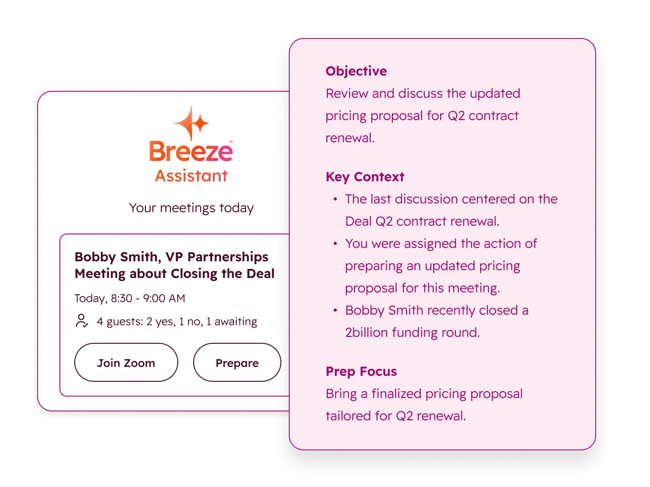
By offloading the administrative weight of prospecting, salespeople are better positioned to focus on the human aspects of selling. The AI handles the data synthesis, while the representative handles the relationship building, resulting in a more efficient and effective sales process.
Practical Steps for Implementation
Start by identifying the most time-consuming aspects of your current outreach process. Does your team spend hours summarizing meeting notes or drafting follow-up emails from scratch? Use AI to generate templates based on previous successful communications. By providing the model with examples of your best-performing messages, you can ensure that the AI-generated content maintains your brand voice and tone.
3. Dynamic customer segmentation
Effective segmentation requires a deep understanding of customer behavior, lifecycle stage, and product usage. AI-driven segmentation automates this process by grouping contacts into dynamic audiences that update in real-time as behaviors change. This ensures that marketing campaigns are always relevant to the current state of the customer, which significantly improves overall campaign performance.
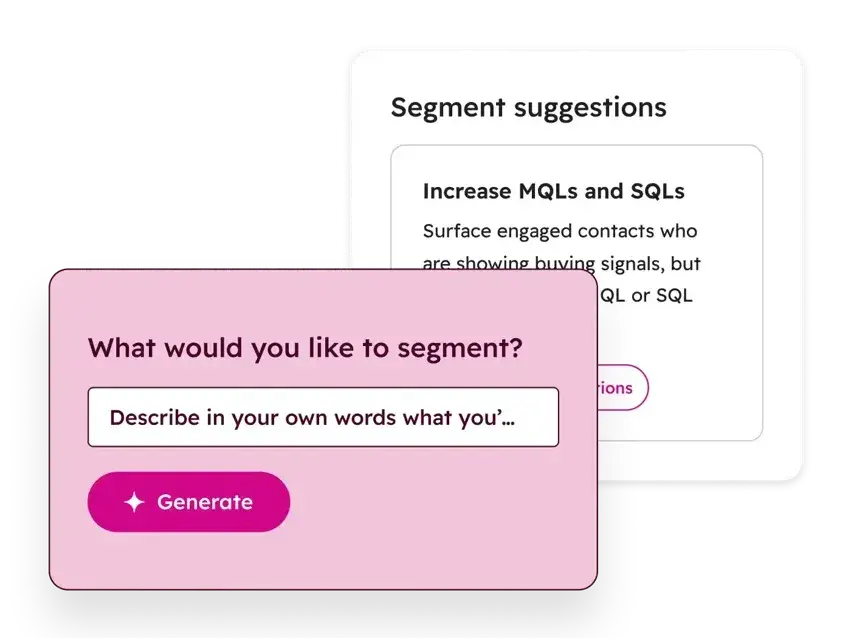
Because these segments refresh automatically, teams avoid the common pitfall of working with stale data. This intelligence-led approach ensures that communication remains personalized at scale, which is essential for maintaining engagement throughout a long customer journey.
Why Micro-Segmentation Matters
Broad segments often lead to generic messaging that fails to resonate with specific user needs. AI allows for micro-segmentation, where audiences are defined by granular behaviors such as specific feature usage or time spent on a pricing page. By tailoring your messaging to these specific groups, you increase the relevance of your campaigns and improve conversion rates across the board.
4. Proactive service and case management
AI-powered service capabilities allow teams to move from reactive ticket handling to proactive customer support. By utilizing AI for case routing, suggested replies, and automated summarization, service departments can resolve issues faster and with greater consistency. The system can even predict churn risks by analyzing patterns across the customer lifecycle, enabling teams to intervene before a problem escalates.
This level of automation ensures that every ticket is routed to the most appropriate representative on the first attempt. By generating summaries after interactions, AI also ensures that knowledge is captured and synced back to the CRM, maintaining a clean and accurate record for future reference.
Improving Response Quality
AI-driven suggested replies provide agents with drafted responses based on the context of the customer’s issue and your internal knowledge base. This not only reduces response time but also ensures that answers are accurate and consistent across the entire support team. When agents spend less time searching for information, they can dedicate more time to resolving complex issues that require empathy and critical thinking.
5. Revenue intelligence for predictive forecasting
Revenue intelligence transforms raw data into actionable insights, helping leaders predict future performance with high accuracy. By using machine learning to identify patterns in deal velocity, win/loss trends, and engagement signals, the CRM provides a clear view of pipeline health. This allows sales leaders to identify stalled deals and pivot their strategy in real-time.
With a clear understanding of what drives revenue, teams can make decisions that are backed by data. This predictive capability is essential for organizations that need to maintain momentum and ensure that their sales activities consistently align with their broader business goals.
The Role of Predictive Analytics in Sales Forecasting
Traditional forecasting often relies on manual spreadsheets that are prone to human error and bias. Revenue intelligence removes this subjectivity by analyzing the actual activity within the CRM. By tracking how often a rep interacts with a stakeholder or how long a deal stays in a specific stage, the system provides a more realistic assessment of whether a deal will close, leading to more accurate sales forecasting.
Strategic Implementation of AI in Your CRM
Successfully implementing AI into your CRM requires an intentional, phased approach that prioritizes measurable outcomes over rapid, broad-scale adoption. The goal is to build habits that allow your team to leverage intelligence without feeling overwhelmed by the technology.
Identifying high-value use cases
Begin by anchoring your AI implementation to a specific challenge that your team currently faces, such as slow qualification or inconsistent follow-up. By focusing on one key performance indicator, you can demonstrate the value of the technology quickly. This targeted approach allows for a cleaner measurement of ROI and builds confidence among the staff before expanding to more complex workflows.
Preparing your data foundation
AI is only as effective as the data it analyzes. Before deploying advanced AI features, ensure your CRM data is unified and standardized. Basic maintenance, such as deduping contacts and aligning deal stages, creates a reliable foundation for machine learning models. Consistent data structure is the prerequisite for accurate predictive scoring and reliable forecasting.
Creating sustainable feedback loops
AI adoption is most sustainable when it is accompanied by regular, structured feedback cycles. Whether through weekly forecast reviews or monthly audits of AI-generated segments, these sessions allow teams to refine their processes and ensure the software continues to deliver value. When teams see that their input directly improves the system’s output, they are more likely to integrate AI into their daily routines.
Integrating AI into existing workflows
For AI to become a natural part of the workday, it must be embedded within the interfaces your team already uses. If the technology lives in a separate window or requires a disconnected process, adoption will likely falter. By choosing a CRM that integrates intelligence into tasks, sequences, and reporting, you ensure that the AI acts as a helpful companion rather than an intrusive requirement.
Practical Considerations for Decision-Makers
When evaluating how to integrate AI into your CRM, it is helpful to understand how these systems differ from traditional add-ons. An AI-native CRM is a comprehensive system that embeds intelligence across every record and lifecycle stage, rather than acting as a standalone interaction layer like a basic chatbot.
| Feature | AI-Native CRM | Standard Chatbot Add-on |
|---|---|---|
| Data Integration | Deeply unified across all records | Limited to specific interaction logs |
| Workflow Impact | Enhances sequences and reporting | Confined to surface-level Q&A |
| Predictive Ability | Learns from historical patterns | Reactive to immediate inputs |
| Scalability | Scales with the business automatically | Often requires manual re-training |
An AI-native CRM is an intelligent system that analyzes data to forecast outcomes, recommend specific actions, and trigger automated sequences. This differs significantly from simple tools that only provide answers to basic questions. By choosing the right architecture, you ensure that your investment in AI contributes directly to long-term efficiency and revenue growth.
Assessing Your Readiness
Before committing to a new platform, evaluate your current data hygiene and team readiness. Do your employees understand the potential of AI, or do they view it as a threat to their roles? Transparent communication about how AI will remove tedious tasks—rather than replace jobs—is essential for successful adoption.
Defining Long-Term Success
Success with AI is not achieved overnight. It requires a commitment to continuous learning and adaptation. As your business grows and your customer behaviors change, your AI models will need to be monitored and adjusted. By establishing a culture of data-driven decision-making, you ensure that your organization remains agile and competitive in an increasingly complex market. What specific area of your customer journey do you think would benefit most from this kind of intelligence?


