Understanding How LinkedIn Ads Function
LinkedIn advertising is a structured process that transforms your professional outreach into a measurable campaign. To execute this effectively, you must understand that the platform operates on a clear, five-stage cycle: defining your objective, establishing target criteria, selecting an ad format, determining your budget, and analyzing performance metrics. By mastering this flow, you ensure your content reaches the right professionals at the right time. Unlike broader social networks where personal interests drive engagement, LinkedIn relies on professional context, making every step of the setup critical for relevance.
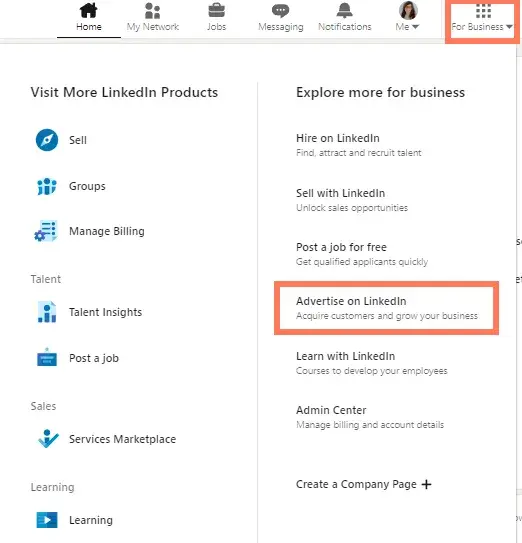
LinkedIn Ads are designed to align with specific business goals, whether you are aiming for brand awareness, lead generation, or website conversions. Once your campaign is live in the Campaign Manager, you gain access to granular reporting that allows you to pivot based on real-time data. This capability is essential for businesses that need to justify marketing spend through clear, actionable results. The platform’s auction system rewards relevance, meaning that ads which resonate with the professional identity of the viewer often achieve lower costs per impression.
The Five-Stage Lifecycle Explained
- Objective Definition: Start by clarifying what success looks like. Is it getting more eyes on your brand, collecting contact information, or driving sales?
- Audience Establishment: Use LinkedIn’s rich data to build precise audience segments based on job function, seniority, and company attributes.
- Format Selection: Choose the creative vehicle—video, image, or text—that best suits your message and the platform’s user behavior.
- Budget Determination: Set daily or lifetime budgets that align with your testing phase and scaling goals, ensuring you have enough runway to gather statistical significance.
- Performance Analysis: Review key metrics like CTR and conversion rate to refine your strategy and improve marketing ROI over time.
Strategic Targeting Options for Precision Reach
Targeting is arguably the most significant advantage of the LinkedIn ecosystem. Because the platform is built on professional identity, you can filter audiences by specific attributes such as job title, company size, industry, member skills, and seniority. This level of precision prevents wasted impressions, ensuring your messaging is seen only by those most likely to engage with your service or product. For B2B marketers, this means you are not guessing who your customer is; you are defining them with data-backed certainty.
To effectively use these targeting options, focus on the relevance of your audience demographics. For instance, if you are promoting a high-end service, targeting by seniority and industry ensures that your budget is allocated toward decision-makers. Always remember that the goal is not merely to reach the largest audience, but the most relevant one. When you align your audience criteria with your business objectives, you naturally increase the likelihood of conversion. Broad targeting may lower cost per click initially, but it often leads to poor quality leads that do not convert, ultimately hurting your overall campaign strategy.
Practical Targeting Checklist
- Identify core job titles that benefit most from your offer.
- Select industries that align with your primary customer base.
- Filter by company size to exclude segments that do not fit your service model.
- Utilize skill-based targeting to find professionals who actively engage with your niche topics.
- Consider using “Matched Audiences” to upload existing customer lists for lookalike modeling.
Common Targeting Mistakes to Avoid
One frequent error is creating audiences that are too narrow, resulting in insufficient reach for the algorithm to optimize. Conversely, audiences that are too broad dilute your message. Another mistake is ignoring negative targeting; explicitly excluding current customers or irrelevant job functions can save significant budget. Always review your audience size estimates in the Campaign Manager before launching to ensure you have a viable pool of prospects.
Executing Your LinkedIn Advertising Campaign
Launching an effective campaign requires a methodical approach to setup. Your journey begins in the LinkedIn Campaign Manager, where you associate your ads with a company page and organize them into logical campaign groups. Think of these groups as your high-level strategy folders, which allow you to categorize by objective—such as brand awareness or lead generation—and manage your internal reporting hierarchy. Proper organization is vital for scaling; without it, analyzing performance across multiple initiatives becomes chaotic and inefficient.
Once your structure is in place, you must set your objectives and budget. LinkedIn offers objective-based pricing, meaning your spend is optimized for the specific outcome you desire. Start with a modest budget to test different ad variations, then scale your investment once you identify high-performing creative or messaging. This cautionary experimentation is a core principle of sustainable growth; it protects your resources while you gather the data needed to scale confidently. Remember that LinkedIn’s algorithm needs a few days to exit the learning phase, so avoid making drastic changes too early in the campaign lifecycle.
Building Your Ad Content
- Define your primary message, keeping copy concise—ideally between 60 and 100 characters for headlines.
- Choose an ad format that matches your content type, such as single-image, carousel, or video.
- Implement URL parameters to track traffic accurately within your external analytics tools.
- Use clear, actionable CTAs that tell the user exactly what to expect when they click.
- Ensure visual assets are high-resolution and optimized for mobile viewing, as a significant portion of LinkedIn traffic comes from smartphones.
Budgeting and Bidding Strategies
Understanding bidding options is crucial for controlling costs. You can choose between automated bidding, where LinkedIn seeks the best results within your budget, or manual bidding, where you set a maximum cost per action. For new advertisers, automated bidding is often recommended to let the platform find the best opportunities. As you gain historical data, you can switch to manual bidding to cap costs during competitive periods. Always monitor your cost per lead (CPL) against your customer acquisition cost (CAC) to ensure profitability.
Evaluating Ad Formats and Performance
Selecting the right format is a balance between your goals and the user experience. Sponsored Content is ideal for driving engagement within the news feed, while Message Ads allow for personalized, direct communication. Dynamic Ads provide a unique, hyper-personalized experience by pulling in professional data like job titles, and Text Ads remain a cost-effective way to maintain consistent brand visibility in the right rail. Each format serves a different purpose in the funnel; for example, video ads are excellent for storytelling and brand awareness, while lead gen forms are superior for capturing contact information without friction.
To ensure your efforts remain effective, you must consistently measure your success. Regularly analyze your click-through rate (CTR) and conversion metrics. If a specific campaign is underperforming, don’t hesitate to pause it and reallocate resources to your high-performing variants. This iterative process of testing and refining is what separates successful long-term strategies from short-term experiments. Look beyond vanity metrics like likes; focus on actions that drive revenue, such as form submissions or demo bookings.
Key Metrics to Monitor
- Click-Through Rate (CTR): Indicates how compelling your creative and copy are. A low CTR suggests your message isn’t resonating with the target audience.
- Conversion Rate: Measures the percentage of clicks that result in a desired action. Low conversion rates may indicate a mismatch between the ad promise and the landing page experience.
- Cost Per Click (CPC): Helps you understand the competitiveness of your audience and keywords. High CPCs may require refining your targeting or improving ad relevance.
- Frequency: Tracks how often the same user sees your ad. High frequency can lead to ad fatigue, causing engagement to drop over time.
A/B Testing Best Practices
Never launch a single ad variation. Always run A/B tests to compare different headlines, images, or calls to action. Isolate one variable at a time to determine what drives performance. For example, test two different headline angles while keeping the image and audience constant. Run tests for at least a week to account for daily fluctuations in user behavior. Use the insights from these tests to inform future creative development and audience segmentation.
Best Practices for Long-Term Success
Optimization is not a one-time event; it is a cycle of refinement. Maintain a pulse on your customer journey, ensuring that your ad content matches the stage of the buyer’s lifecycle. A prospect who is just learning about your brand needs different content than one ready to commit to a service. By segmenting your audience and tailoring your messaging to their specific needs, you create a more cohesive and professional brand image. Retargeting users who have previously engaged with your content is a powerful way to nurture leads and move them closer to a purchase decision.
Finally, remember to look beyond LinkedIn for inspiration. Observe which messaging resonates on other platforms and check your competitors’ activity for insights into what is currently engaging your shared audience. While LinkedIn is a unique environment, the principles of clear value propositions and compelling visuals remain universal. By treating your ad strategy as an evolving asset rather than a static project, you ensure that your presence remains relevant and impactful. Regularly review your overall marketing ROI to ensure that LinkedIn advertising continues to deliver value relative to other channels.
Advanced Optimization Techniques
- Retargeting Campaigns: Create specific ad sets for users who visited your website but did not convert. Offer them a different angle or incentive to re-engage.
- Lead Gen Forms: Use LinkedIn’s native lead gen forms to pre-fill user information, reducing friction and increasing conversion rates.
- Account-Based Marketing (ABM): Target specific companies and key decision-makers within those organizations with personalized messaging.
- Seasonal Adjustments: Adjust your budget and creative based on industry seasons, holidays, or major events that impact your audience’s buying behavior.
Maintaining Brand Consistency
Ensure that your LinkedIn ads align with your overall brand voice and visual identity. Inconsistent branding can confuse prospects and weaken trust. Use your company logo, color palette, and tone of voice consistently across all ad formats. This consistency reinforces brand recognition and makes your ads more memorable in a crowded news feed. Regularly audit your ad library to ensure all active campaigns reflect your current brand guidelines.


