 AEO/GEO
An email marketing audit is a systematic evaluation of your email strategy, campaign performance, and overall account health. It serves as a diagnostic tool to identify what is currently functioning well and where untapped opportunities for growth exist. By analyzing technical deliverability, content resonance, and automated workflows, you can ensure your messaging remains aligned with evolving audience needs and business objectives. This process goes beyond simple performance tracking; it requires a holistic view of how your emails interact with inbox providers, subscriber preferences, and your broader marketing ecosystem.

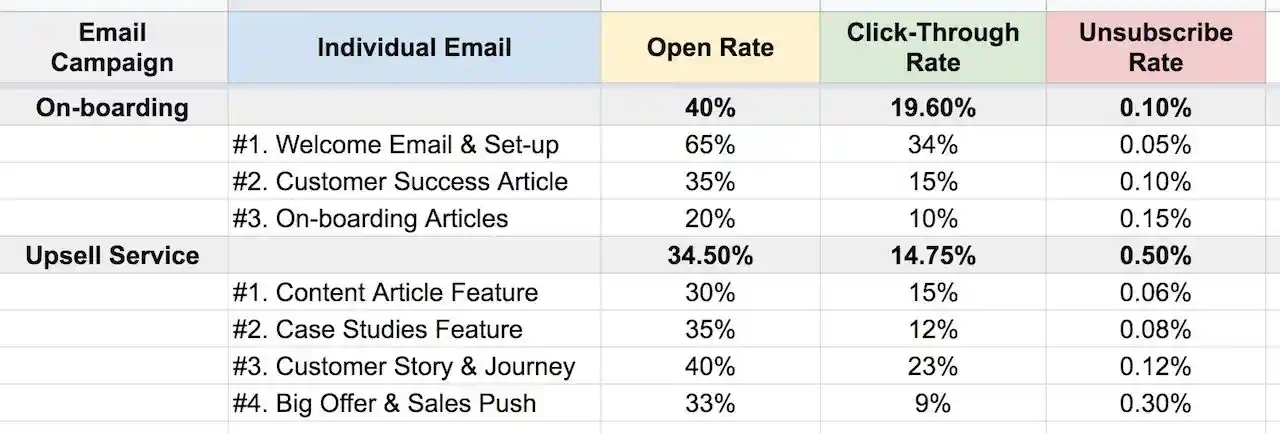
Regular audits are essential for maintaining a healthy sender reputation and ensuring that your communications reach the intended inboxes. When you treat your email program as a living ecosystem rather than a “set it and forget it” campaign, you gain the ability to pivot based on data rather than assumptions. This process is particularly vital for organizations managing large lists, where even minor adjustments to segmentation or copy can yield significant improvements in engagement metrics. Without regular checks, small issues like increasing bounce rates or declining open rates can compound over time, leading to spam folder placement and lost revenue.
The Strategic Value of Regular Email Audits
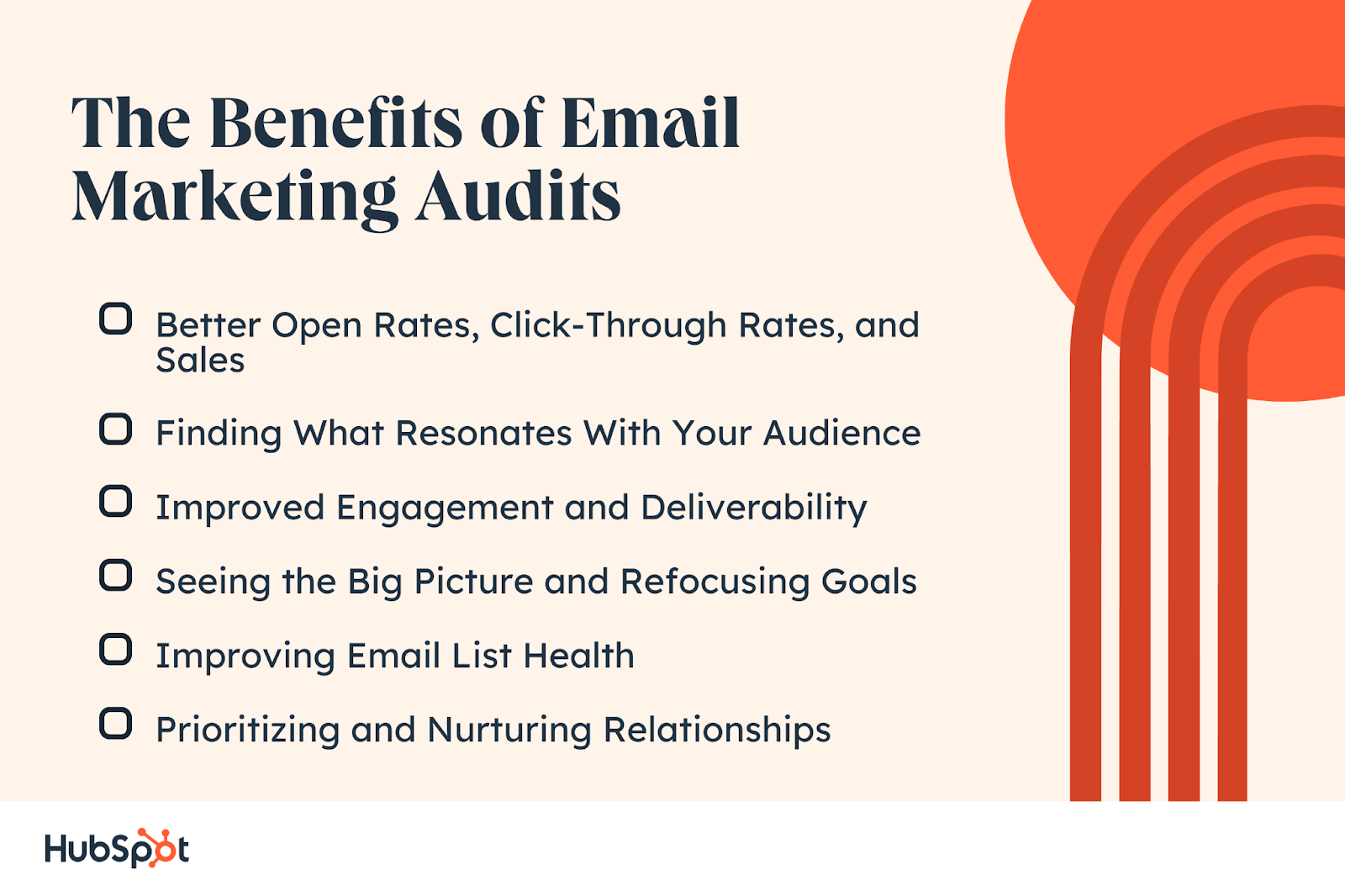
Beyond basic maintenance, an audit provides a clear view of your return on investment. Many practitioners find that consistent reviews lead to measurable increases in open rates and click-through rates. By identifying which subject lines, calls to action, and content formats resonate with specific segments, you can move away from generic messaging and toward high-conversion, personalized communication. This strategic shift allows you to allocate resources more effectively, focusing on the tactics that drive actual business results rather than vanity metrics.
Understanding ROI and Engagement
One of the primary benefits of an audit is the ability to connect email performance directly to revenue. By analyzing conversion paths, you can determine which email campaigns are driving sales and which are merely generating noise. This insight allows you to justify budget increases or resource allocation for high-performing channels. Furthermore, understanding the lifetime value of subscribers acquired through different campaigns helps in refining acquisition strategies.
Protecting Sender Reputation and Deliverability
Audits also help you refine your database. Removing inactive subscribers is a primary way to protect your sender reputation and improve deliverability. Internet Service Providers (ISPs) monitor engagement closely; high volumes of unopened emails or spam complaints signal poor list hygiene. An audit reveals the “big picture,” allowing you to refocus your goals when daily operational tasks have caused your original strategy to drift. It is an opportunity to ensure that every email sent contributes to your broader business goals while safeguarding your domain’s standing with major providers like Gmail, Outlook, and Yahoo.
Aligning with Business Objectives
When daily operations take precedence, long-term strategy often suffers. An audit forces a pause to evaluate whether your current email marketing strategy aligns with current business objectives. Are you focusing on brand awareness, lead nurturing, or direct sales? The audit process helps realign your content calendar and automation workflows to support these specific goals, ensuring that your team is working towards a unified vision rather than disparate, tactical wins.
Core Components of an Email Audit
A thorough audit typically breaks down into several key areas of focus. These include performance metrics—such as open, click-through, and conversion rates—which serve as your baseline for improvement. You should also examine list health, including bounce rates and segmentation logic, to ensure your data remains clean and actionable. Neglecting any of these components can lead to a skewed understanding of your program’s effectiveness.
Analyzing Email Performance Metrics
Performance metrics provide the quantitative foundation of your audit. While open rates offer a surface-level view of subject line effectiveness, click-through rates (CTR) indicate content relevance. However, the most critical metric is often the conversion rate, which measures the ultimate goal of your email campaigns. By analyzing these metrics over time, you can identify trends, seasonal fluctuations, and the impact of specific campaigns. It is also crucial to look at unsubscribe rates and spam complaints, as these are leading indicators of audience dissatisfaction.
Evaluating Email List Health
Email list health is the backbone of any successful email marketing strategy. A clean list ensures high deliverability and accurate performance data. During the audit, examine your bounce rates, distinguishing between hard bounces (invalid addresses) and soft bounces (temporary issues). High hard bounce rates can severely damage your sender reputation. Additionally, review your segmentation logic. Are you sending relevant content to the right people? Poor segmentation leads to irrelevant messaging, which drives up unsubscribe rates and lowers engagement. Regularly purging inactive subscribers and re-engaging dormant users are key steps in maintaining a healthy list.
Reviewing Content, Design, and Accessibility
Content and design reviews are equally important. You must verify that your emails are accessible, mobile-responsive, and consistent with your brand identity. With the majority of emails now opened on mobile devices, a non-responsive design can lead to immediate abandonment. Ensure that your text is readable, buttons are clickable, and images load quickly. Accessibility is another critical factor; use alt text for images, sufficient color contrast, and clear hierarchy to ensure your emails are inclusive to all users. Consistency in branding builds trust and recognition, making your emails stand out in a crowded inbox.
Technical Compliance and Automation Workflows
Additionally, a technical review of automation workflows and compliance with privacy regulations like GDPR or CAN-SPAM is mandatory to mitigate risk. Ensure that your sign-up forms clearly state what subscribers are agreeing to, and that your emails include a physical mailing address and an easy-to-find unsubscribe link. Review your automation sequences for broken links, outdated content, or logic errors that might send the wrong message to the wrong person. Compliance is not just a legal requirement; it is a trust signal to your subscribers. When you evaluate these components together, you can create a prioritized action plan that addresses the most critical issues first.
Executing a Structured Email Marketing Audit
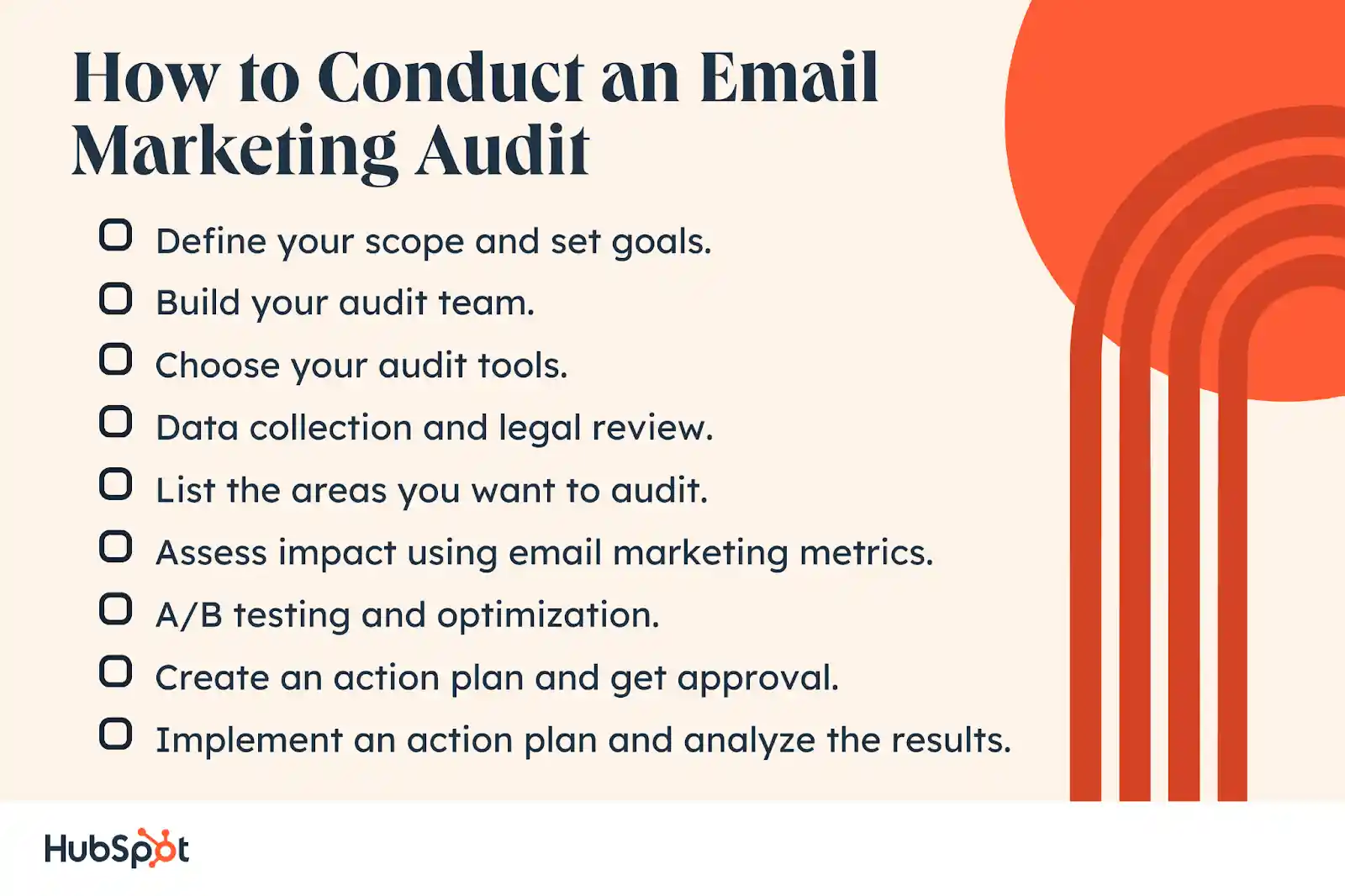
To conduct a successful audit, you must start by defining a clear scope. Instead of attempting to overhaul every aspect of your program simultaneously, focus on a specific, high-impact area. This could be anything from improving the conversion rate of a specific nurture sequence to troubleshooting deliverability issues in a particular region. A structured approach prevents analysis paralysis and ensures that actionable insights are derived efficiently.
Define Goals and Assemble Your Team
Precision is your best asset. If your goal is compliance, your team might include legal or security stakeholders. If your goal is conversion, you should involve design and analytics specialists. Using project management tools to document findings and assign tasks helps prevent the process from becoming disorganized or overwhelming. Clearly defining roles and responsibilities ensures that every aspect of the audit is covered by someone with the appropriate expertise. For example, a developer might be needed to check technical authentication records like SPF, DKIM, and DMARC, while a copywriter evaluates the tone and clarity of the content.
Data Collection and Performance Benchmarking
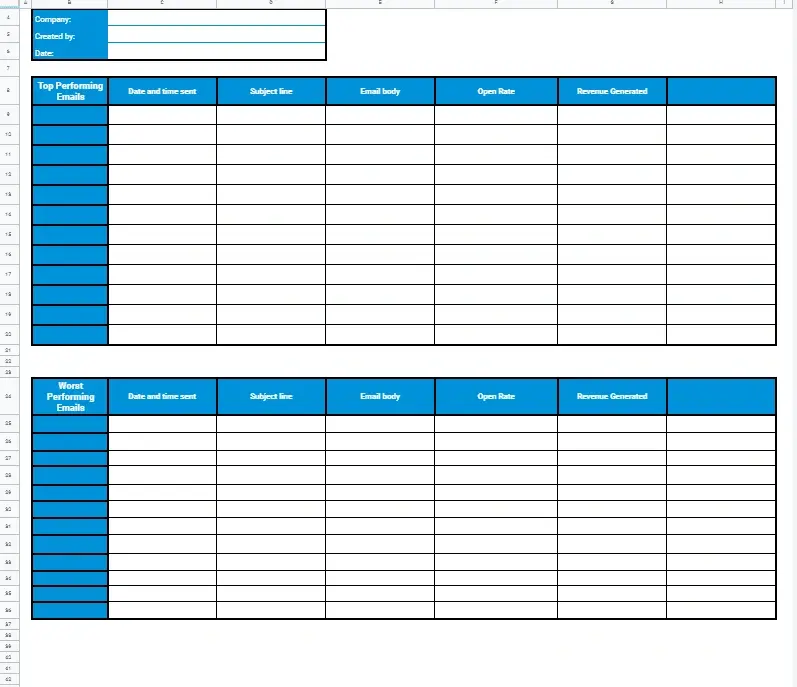
Before implementing changes, establish a benchmark. You cannot measure success if you do not know where you started. Integrate your email platform with your web analytics to track the entire customer journey, from the subject line to the final click on your call to action. This data-driven approach ensures that your subsequent optimizations are backed by evidence rather than intuition. Collect data from the past 6-12 months to account for seasonal variations. Look for patterns in performance, such as which days of the week yield higher engagement or which types of content drive the most conversions. This historical context is vital for setting realistic and achievable goals.
Iterative Testing and Optimization
Once you have identified areas for improvement, apply A/B testing to validate your hypotheses. The rule of thumb here is to change only one variable at a time. If you alter both the subject line and the body copy simultaneously, you will never know which change drove the improvement in performance. Start with high-impact elements like subject lines and preheader text, then move to content layout, call-to-action placement, and send times. Document the results of each test meticulously. Over time, these small, iterative improvements compound to create significant gains in overall performance.
This image illustrates how to calculate the conversion rate for your email campaigns:
%20*%20100.webp)
By measuring the specific impact of your call to action, you can refine your strategy effectively. Understanding the conversion rate helps you prioritize efforts on campaigns that drive actual business value, rather than just engagement.
Implementation and Long-term Monitoring
After getting approval from stakeholders, implement your findings in manageable sprints. Once the changes are live, continue to monitor the results. An audit is not a one-time event; it is a cycle of testing, learning, and refining. Documenting your process ensures that you do not repeat the same tests and allows you to build a repository of what works for your unique audience. Establish a regular schedule for future audits, such as quarterly or bi-annually, to ensure that your email marketing strategy remains agile and responsive to market changes.
Best Practices for Sustainable Email Success
Success in email marketing often comes down to breaking large tasks into smaller, manageable chunks. If you feel overwhelmed, start with list hygiene. Removing inactive subscribers can immediately improve your engagement metrics and provide a clearer picture of your active audience. This foundational step sets the stage for more advanced optimizations and ensures that your data is reliable.
The Importance of Cross-Departmental Collaboration
Collaboration is another key factor. Involving members from other departments, such as sales or customer service, can provide a fresh perspective on your messaging. They may notice inconsistencies in tone or offer insights into customer pain points that you have overlooked. For instance, the sales team might reveal that prospects are frequently asking questions that are not addressed in your nurture sequences. By integrating this feedback, you can create more relevant and helpful content that moves prospects further down the funnel. Always remember that quantitative data and qualitative feedback should work in tandem; while open rates tell you that an email was seen, customer responses tell you whether it was truly understood.
Challenging Conventional Wisdom and Testing
Finally, be wary of conventional wisdom. If everyone in your industry sends emails at the same time, your message is likely to get lost. Think critically about your audience’s daily routine and test unconventional send times. By constantly challenging your assumptions through testing, you can create an email program that not only meets industry standards but actively drives business growth. Experiment with different content formats, such as video emails or interactive elements, to stand out. The goal is to create a personalized experience that resonates with each individual subscriber, fostering loyalty and long-term engagement.


