The Direct Link Between Indexing Speed and AI Citations
In the era of generative search, the traditional “wait and see” approach to SEO is a liability. When a user asks an AI-powered engine a question, the model draws upon the most current, relevant data it has successfully ingested. If your latest insights are languishing in a crawl queue, you are suffering from a Freshness Gap.
This is no longer just about search rankings; it is about relevance. Faster indexing is now an AI visibility requirement. While standard crawler latency might have been acceptable in a link-graph world, AI models prioritize “AI-ready ingestion”—where content is structured, identified, and pushed to the engine the moment it goes live.
The Three Tiers of Indexing Acceleration: SaaS, Plugins, and Protocols
To close the Freshness Gap, you must choose the right operational tier for your infrastructure.
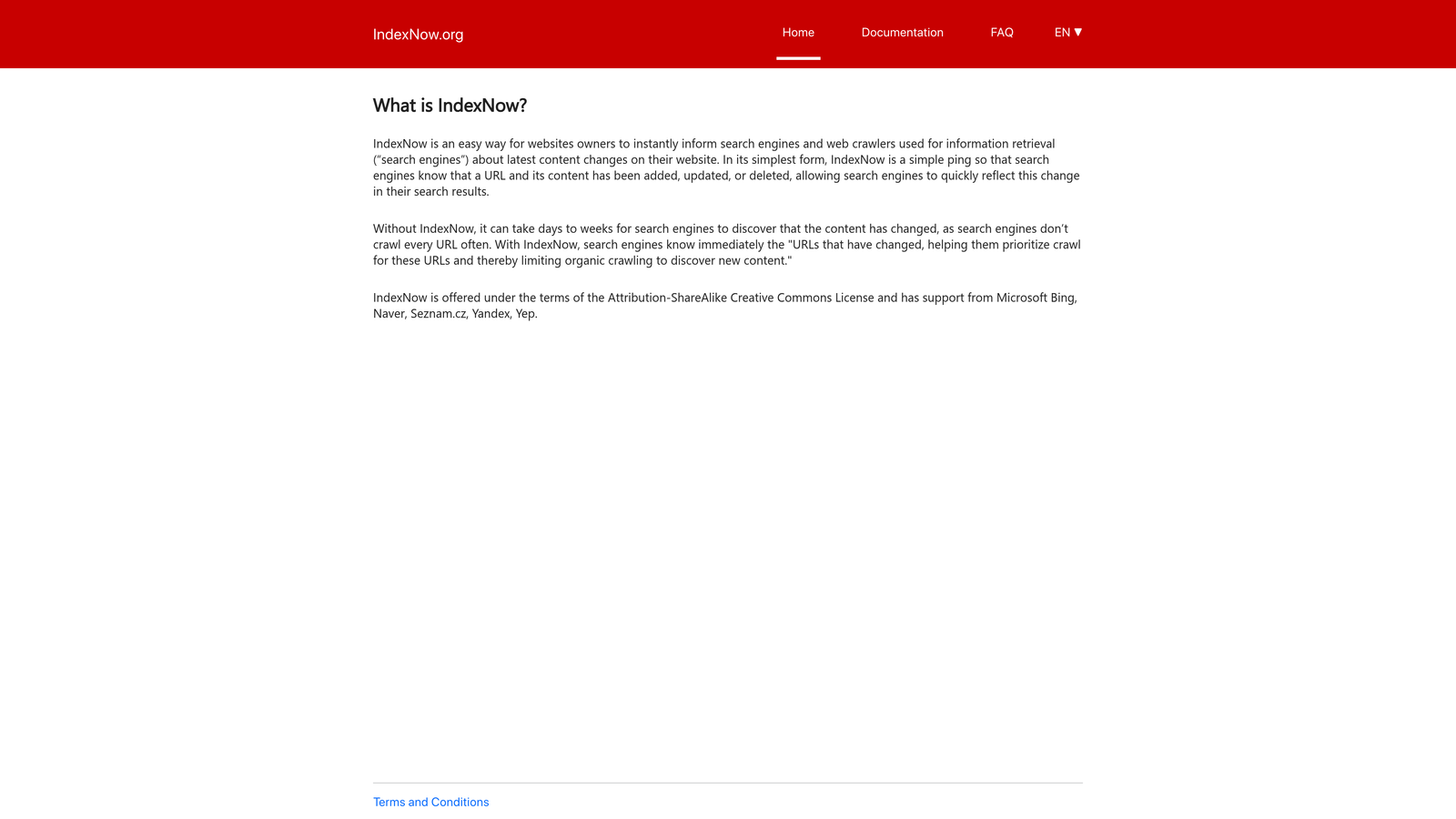
- Tier 1: Protocol-Level (Push/Pull): Utilizing open protocols like IndexNow to broadcast changes directly to search engines. This is the highest level of control and speed.
- Tier 2: CMS-Level Integration: Leveraging native or third-party plugins that automate sitemap pings and schema markup generation. Ideal for marketing teams without dedicated engineering resources.
- Tier 3: Enterprise SaaS & Diagnostic Platforms: Using comprehensive toolsets that manage crawl budgets, analyze rendering failures, and provide automated alerts on indexing status.
Top Tools to Force-Index Content for Search Engines & AI Models
For most growth-focused teams, the goal is to reduce latency from days to minutes. Here are the leading solutions:
1. IndexNow API
This protocol allows your site to automatically ping Bing and Yandex the second content is published.
- Use Case: Real-time content updates.
- Latency Impact: Near-instant discovery.
- Pricing: Free/Open Standard.
2. Rank Math SEO & Yoast SEO Premium
These plugins automate the heavy lifting of sitemap submission and internal link signaling.
- Use Case: WordPress-based content teams.
- Latency Impact: Moderate reduction in discovery time.
- Pricing: Freemium/Subscription.
3. Google Search Console (API Integration)
The standard for monitoring health and manual index requests.
- Use Case: Diagnosing and forcing indexing for priority pages.
- Latency Impact: Immediate for manual requests.
- Pricing: Free.
Beyond Discovery: Diagnostics to Ensure Your Content Gets Ingested
Indexing is useless if the content is “dirty” or unreadable. Even if a search engine discovers your page, it may fail to ingest it if it encounters:
- Rendering Failures: JavaScript errors blocking the bot from seeing the main content.
- Canonical Mismatches: Confusing the engine about which version of the page is the “truth.”
- Sitemap Bloat: Including low-value or duplicate URLs that exhaust your crawl budget.
Use tools like Screaming Frog SEO Spider to simulate how a bot perceives your site. Your content must be clean, structured, and accessible to be cited by an AI.
Decision Matrix: Choosing the Right Strategy for Your CMS Stack
| Strategy | Best For | Technical Complexity | Control |
|---|---|---|---|
| IndexNow Protocol | Custom/Headless CMS | High | Maximum |
| CMS Plugins | WP/Shopify/Standard | Low | Moderate |
| Manual GSC Pings | Priority “Hero” Content | Low | Manual |
Final Recommendation: Start by implementing IndexNow if your CMS supports it. For standard marketing sites, prioritize Rank Math or Yoast to automate metadata and sitemap health, and reserve Google Search Console for high-impact content that requires immediate visibility. By combining these, you create a robust, AI-ready presence that stays ahead of the competition.