On This Page· 4
When 54% of users now encounter AI-generated search answers every week, a critical question emerges: is traditional channel authority being erased, or is it becoming the primary filter for AI curation?
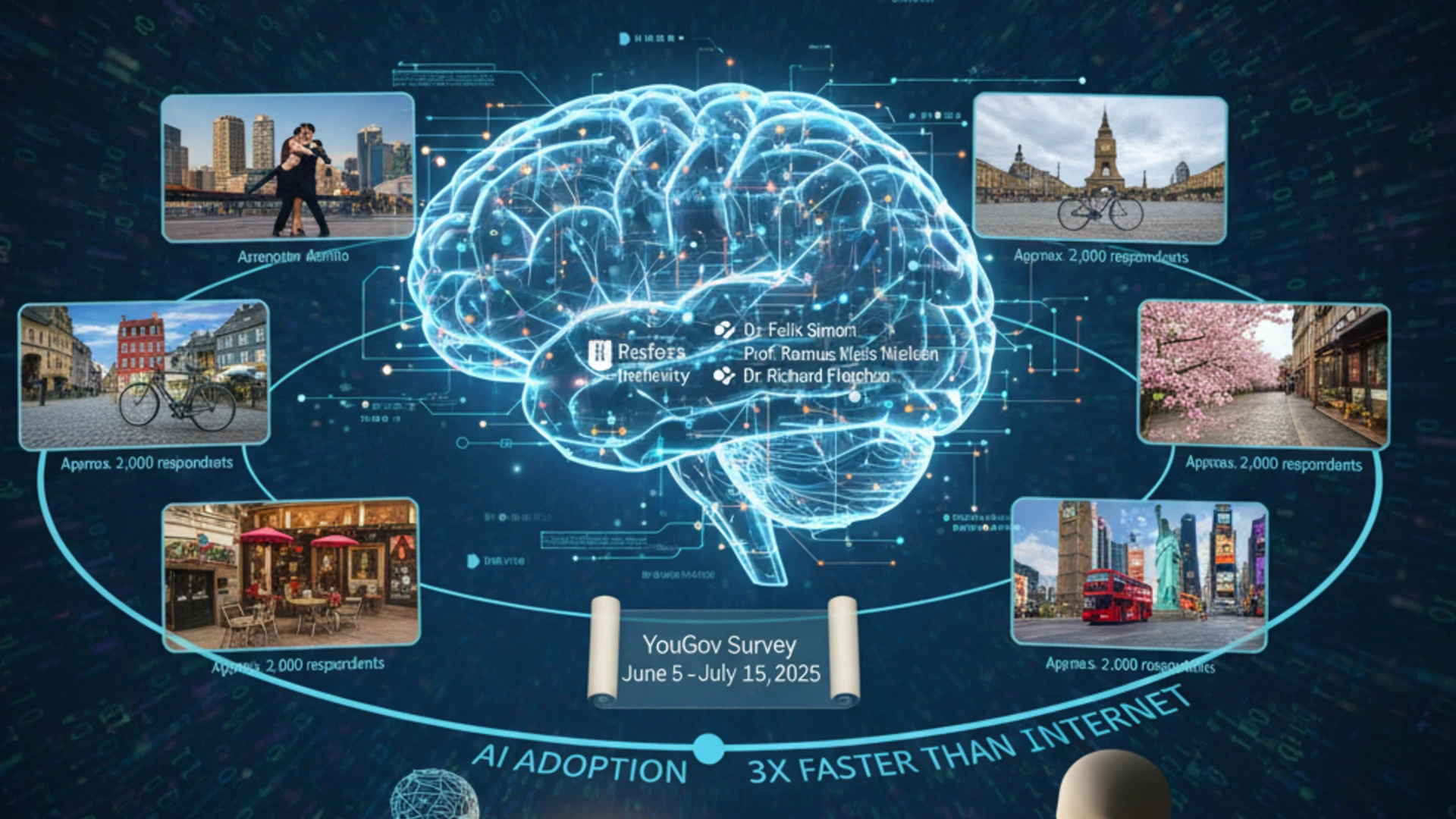
The assumption that AI removes the need for trust is a misunderstanding. AI is not eliminating trust; it is concentrating it. As AI engines curate video content for generative search, they need a reliable signal to distinguish credible sources from noise. That signal is channel authority. In the age of YouTube SEO AI, the channel behind the video becomes the primary anchor for human trust, making it more important than ever.
The 12% vs 62% Gap: What the Data Says About AI Video Trust
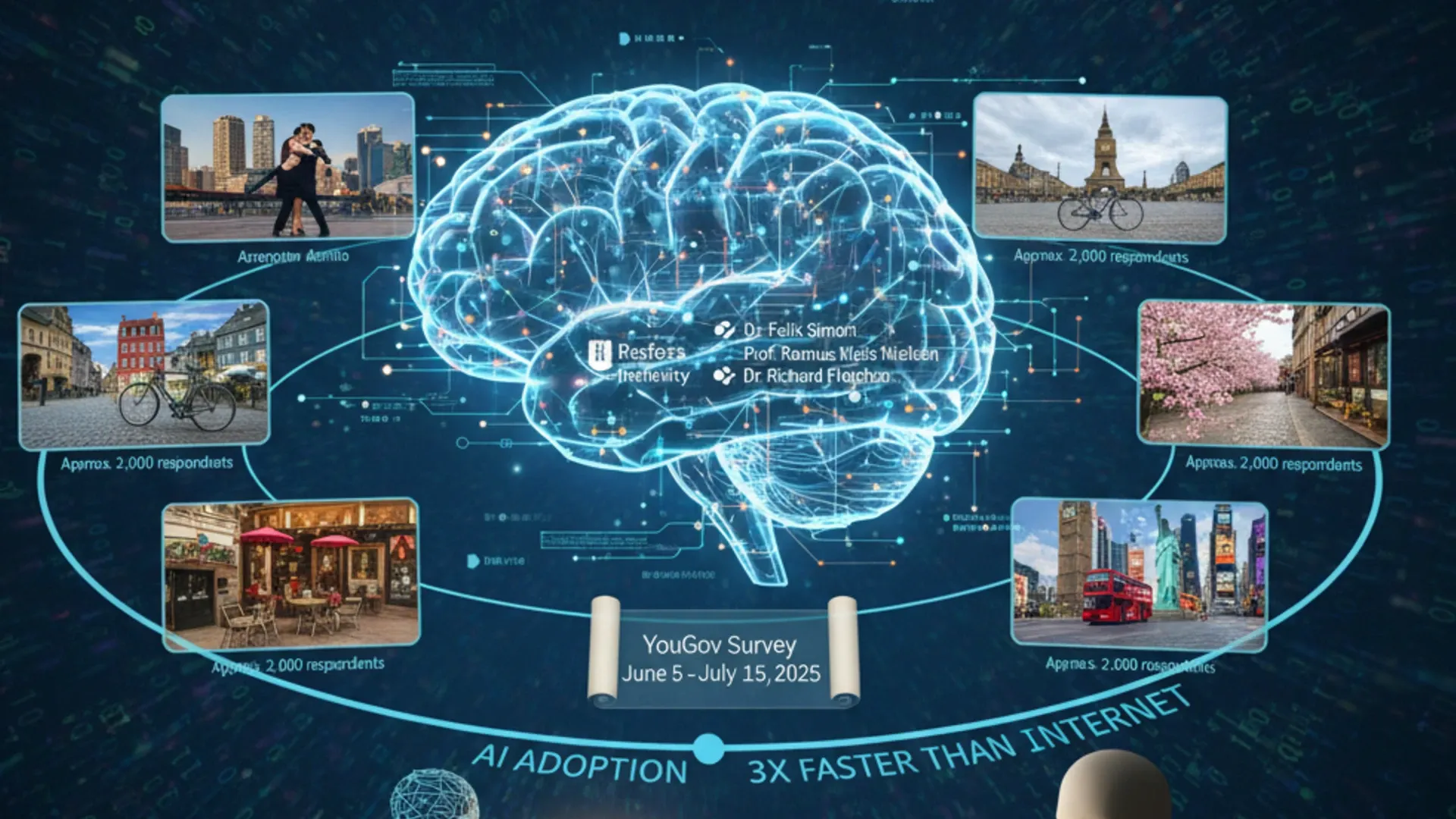
Recent research from the Reuters Institute for the Study of Journalism at Oxford University reveals a stark disconnect in how audiences perceive digital content. Only 12% of respondents reported feeling comfortable with entirely AI-generated news, while that figure climbed to 62% for content produced entirely by humans. This gap is not a measure of visual fidelity or technical quality; it is a direct reflection of source perception. Audiences do not judge the pixels; they judge the entity behind them.
This dynamic shifts entirely when we consider video. As AI video trust becomes a central metric, the identity of the creator moves from a background detail to the primary anchor for credibility. In the context of channel authority, the publisher becomes the sole guarantor of authenticity. When an algorithm generates a clip, the audience looks to the channel’s name, not the code, to decide if the content is safe to consume. This makes the channel the critical trust filter.
The implications for YouTube SEO AI are immediate. Algorithms are no longer just ranking keywords; they are ranking reliability. A channel with a strong history provides a trust proxy that a fresh, automated account cannot easily replicate. For creators and brands, the question is no longer whether AI can make better video, but whether the source behind that video carries enough weight to overcome the inherent skepticism toward synthetic media. This source-based trust is now the defining variable in how AI curation systems decide which videos to elevate and which to ignore.
Why Channel Authority Becomes a Trust Proxy in YouTube SEO AI

Channel authority is not defined by raw view counts or subscriber totals. It is the accumulated trust signal built through consistency, demonstrated expertise, and genuine human presence. In the context of YouTube SEO AI, this definition matters because algorithms no longer rely on a single metric to judge video quality. Instead, they aggregate these qualitative signals to determine which sources are credible enough to surface in competitive search results.
When AI engines curate content for AI video trust, they face a fundamental problem: they cannot evaluate the intent behind a video in real-time. They need a “trust proxy”—a verifiable indicator that the source is reliable. High-authority channels provide this proxy. Because these channels have a history of consistent, high-quality output, the AI model assigns a higher probability of relevance and accuracy to their content. This makes their videos significantly more likely to be cited in generative search video results, where the AI synthesizes an answer rather than just listing links.
The distinction between high and low authority is becoming a decisive factor in citation probability. Low-authority, high-volume channels, which often rely on AI-generated content, lack the historical data points that prove human oversight or deep expertise. In contrast, high-authority, human-led channels offer a track record that the AI can verify. This gap creates a “trust moat.” While volume drives traffic in traditional SEO, trust drives citations in the AI era. For creators and brands, this shift means that building a reputation for reliability is now as critical as producing content, because it is the primary signal that tells the AI to keep your voice in the conversation.
| Feature | Low-Authority, High-Volume Channel | High-Authority, Human-Led Channel |
|---|---|---|
| Content Origin | Often AI-generated or automated | Human-led with verified oversight |
| Trust Signal | Weak; lacks historical consistency | Strong; consistent, reliable output |
| AI Citation Probability | Low; difficult to verify intent | High; serves as a reliable trust proxy |
| Strategic Advantage | High traffic volume, low credibility | High credibility, strong generative search presence |
E-E-A-T Video: The Mechanism Behind AI Recommendations
AI engines do not watch videos the way people do. Instead, they parse metadata, transcripts, and channel history to evaluate E-E-A-T video signals. For creators, this means the framework—Experience, Expertise, Authoritativeness, and Trust—has shifted in priority. While expertise and authoritativeness were once the main ranking drivers, they are now becoming commoditized. AI tools make it easy for anyone to generate technically accurate, well-sourced content, diluting the value of these two pillars.
This shift leaves Experience and Trust as the true differentiators. In the context of AI video trust, these signals are harder for algorithms to fake. Experience is demonstrated through on-camera presence, personal anecdotes, and real-world application rather than just script quality. Trust is built over time through consistency, community engagement, and a verifiable history of reliable information. When an AI engine scans a channel, it is looking for these human-centric markers to determine if the content is worth recommending.
Data supports this human-centric focus. Surveys indicate that trust in AI-generated search answers sits at a 50% baseline among those who encounter them. This suggests that even as AI adoption grows, the underlying demand for reliable, human-verified sources remains strong. For channel authority, this is critical: AI recommendations lean heavily on these persistent trust signals because they are the only remaining barrier to automated, low-effort content. A channel with a long history of consistent, human-led output provides a clear trust proxy for generative search engines, increasing the likelihood that its generative search video results will be cited over competitors who rely solely on automated generation. The algorithm is not just looking for facts; it is looking for a source it can verify as human and reliable.
FAQ: How AI Search Impacts Video Visibility

Does AI actually “watch” videos to recommend them?
No. AI engines do not process video files like humans do. Instead, they parse metadata, transcripts, and channel signals. When channel authority is high, it signals reliability to the algorithm, prioritizing your content over less trusted sources.
Can new channels compete with established authority?
Yes, but the bar is higher. New entrants must prove “Trust” and “Experience” rapidly. Unlike human algorithms that may test content over time, AI systems have less patience for “testing” unproven creators.
What is the impact on generative search video?
Video from trusted channels is more likely to be summarized and cited in AI answers. This creates a trust moat where established E-E-A-T video signals drive visibility in AI video trust assessments, leaving lower-authority content out of the loop.
AI is not erasing channel authority; it is removing the noise that allowed weak signals to survive. The resulting clarity makes trust the primary currency. Is your channel’s authority built on volume, or on the trust signals that AI engines are actually reading?