Choosing the correct infrastructure for your blog is no longer just a matter of web development preference. In an era where generative search engines prioritize context, speed, and structural clarity, the decision between using a CNAME record and a subdomain has become a critical strategic choice. As organizations look to scale their content for AI-driven discovery, the underlying architecture must support both technical performance and search visibility. At AEO/GEO, we emphasize that infrastructure choices are the foundation upon which your AI-readiness is built.
Understanding the Infrastructure Landscape for AI Search
To win in the generative search era, your content must be easily discoverable and parsable by LLM-powered search engines. These systems rely on sophisticated crawlers that map the topical authority of a domain.
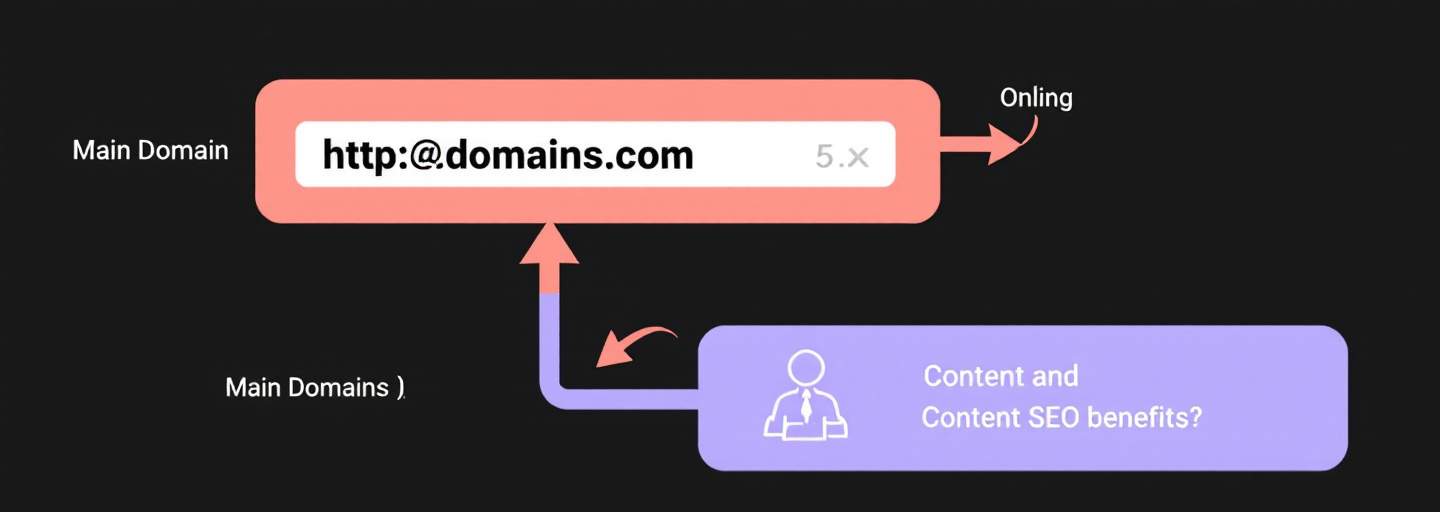
When deciding between a CNAME and a subdomain, you are essentially determining how search algorithms perceive the relationship between your primary site and your content hub. A CNAME allows you to point a custom domain or subdomain to your content provider, effectively masking the host. A subdomain, by contrast, acts as a distinct branch of your primary domain. For AI-first content, the goal is to ensure that the content remains part of your brand ecosystem while benefiting from the technical flexibility required to publish at high volumes.
The Technical SEO Implications: Subdomains vs. CNAME
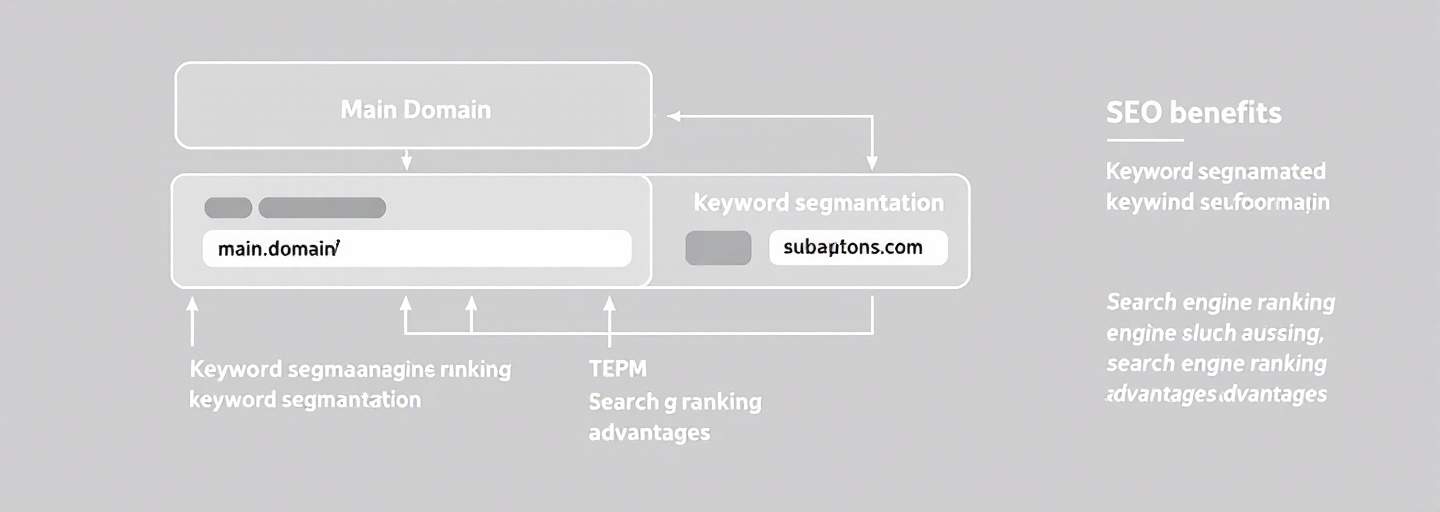
The core debate often centers on how crawlers treat subdomains compared to directories or CNAME-masked content. Historically, there was concern regarding whether a subdomain dilutes the domain authority of the main site. Modern search engines are increasingly adept at recognizing subdomains as part of the same entity.
Crawling Efficiency and LLM Integration
For generative AI search, the focus has shifted from standard keyword indexing to entity extraction and topical mapping. Using a subdomain allows for independent management of technical parameters, such as sitemaps and indexing rules, which can be optimized specifically for AI crawlers without impacting the primary site.
CNAME records, while useful for white-labeling, must be configured with care to ensure that all security certificates and response times remain optimized. If the CNAME points to a slow-loading server, the latency will be penalized by search algorithms. At AEO/GEO, we view this as a balancing act: you need the technical isolation that a subdomain provides, coupled with the performance standards that maintain high crawl frequency.
Strategic Implications for AI-First Content Deployment
Scaling an AI-driven content strategy requires agility. If your team needs to deploy hundreds of AI-generated articles per week, you cannot be tethered by the development cycles of your primary website.
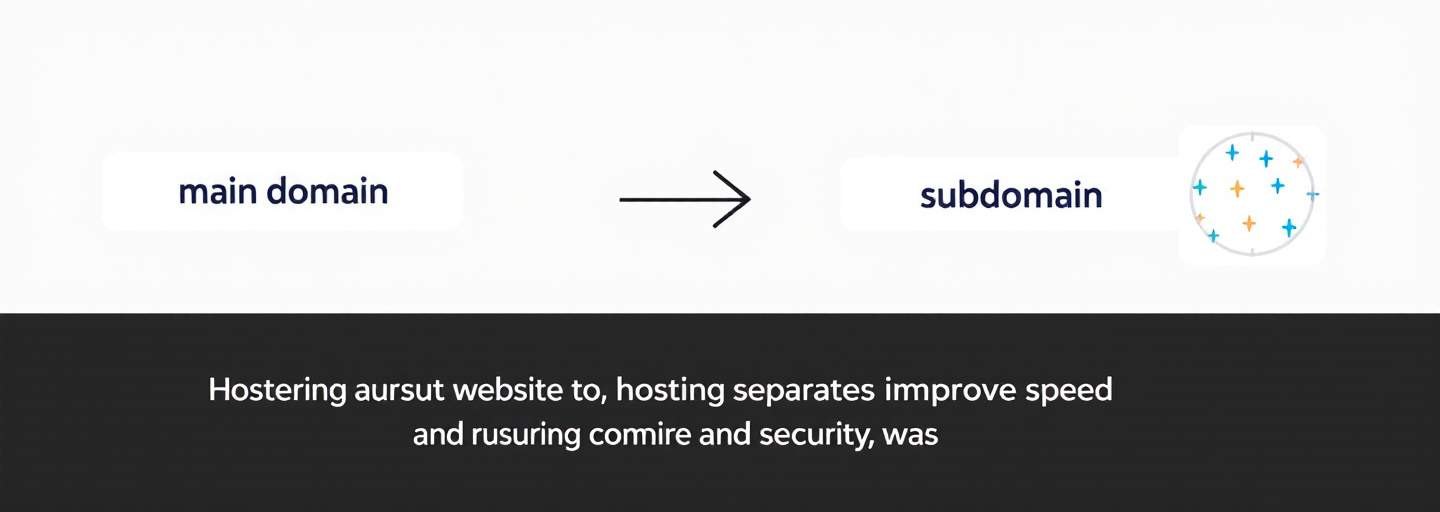
Hosting on a subdomain provides this necessary operational freedom. It allows your marketing team to iterate on content models, A/B test layout structures for AI snippet optimization, and publish at scale without waiting for core engineering sprints. This is why AEO/GEO integrates seamlessly with subdomain structures—it allows for faster deployment of optimized, AI-ready assets that contribute directly to your brand’s topical authority in the generative landscape.
Domain Authority and Topical Silos
By isolating your blog on a subdomain, you can create a concentrated “topical silo.” This allows search engines to identify the subdomain as an authoritative source on specific industry topics, which is highly advantageous for ranking in AI-generated answers that cite specialized expert content.
Operational Scalability in the AI Era
Operational efficiency is the hallmark of a successful AI-first organization. A CNAME approach often requires deeper coordination with your IT department to ensure DNS configurations remain stable during high-traffic events or mass content uploads.
Subdomains simplify this. They allow for decoupled architecture, where the content platform can handle high-concurrency requests and rendering without impacting your primary application performance. For growth-focused businesses, this scalability is non-negotiable. Using a dedicated subdomain ensures that your AI content engine can grow in size and complexity without creating technical debt on your core product or marketing site.
The Verdict: What Wins in Generative Search?
For most AI-driven content strategies, the subdomain approach offers superior technical independence and operational agility. While CNAMEs have their place in white-label branding, the ability to independently manage your blog’s infrastructure, indexing, and performance makes the subdomain a more robust choice for long-term AI-search visibility.
At AEO/GEO, we empower businesses to master this infrastructure, ensuring that every piece of content is positioned to be consumed, indexed, and surfaced by the next generation of search platforms. If you are ready to scale your visibility, align your technical infrastructure with your content strategy to ensure your brand remains at the forefront of the AI-driven search ecosystem.