Understanding Facebook Instant Experiences
Facebook Instant Experiences, formerly known as Canvas Ads, represent a significant shift in how brands engage with mobile users on social media. These are full-screen, mobile-only ad formats that load directly within the Facebook app, keeping viewers immersed in the brand’s world without redirecting them to an external website. This format is designed to be lightning-fast, loading up to 15 times quicker than a standard web page. This speed significantly reduces the friction between seeing an ad and interacting with it, which is critical in an environment where user attention spans are fleeting.

The core value of an Instant Experience lies in its ability to tell a richer, more compelling story. Instead of relying on a single static image or a short video clip, you can combine multiple media types—such as videos, swipeable carousels, slideshows, and interactive elements—into a single, cohesive narrative. This creates a mini-landing page experience that feels native to the app, providing a seamless transition from discovery to engagement. For businesses, this means higher engagement rates and a more controlled environment for showcasing products or services.
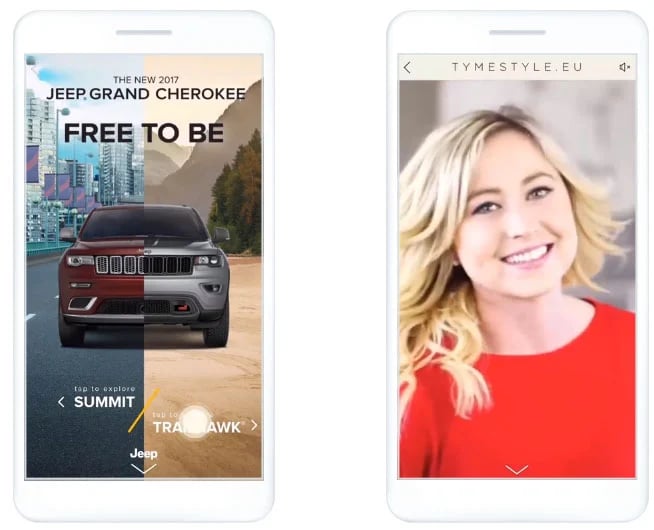
It is important to note that Instant Experiences are not just for brand awareness. They are equally effective for direct response campaigns, such as lead generation and e-commerce sales. By keeping users within the Facebook ecosystem, you reduce the drop-off rate that often occurs when users are redirected to slow-loading external sites. This is particularly crucial in mobile marketing, where users spend the majority of their browsing time inside apps rather than in standalone browsers. The elimination of the “wait time” associated with loading a separate website ensures that the momentum generated by the initial ad creative is maintained throughout the user journey.
The Technical Advantage of Native Loading
One of the most compelling reasons to adopt this format is the technical advantage of native loading. Traditional mobile ads often suffer from latency issues, especially on slower network connections. Instant Experiences pre-load content in the background, ensuring that when a user taps the ad, the experience opens instantly. This immediacy is vital for capturing interest before the user scrolls past. Furthermore, because the experience is hosted within the app, it bypasses many of the security and compatibility issues that can arise with external links, providing a safer and more reliable experience for the end user.
Enhancing User Engagement Through Interactivity
Interactivity is another key differentiator. Unlike passive video ads, Instant Experiences allow users to swipe, tap, and explore. This active participation increases the time spent with the brand, which signals higher relevance to the Facebook algorithm. As a result, these ads often achieve lower cost-per-engagement metrics compared to standard link ads. By turning passive viewers into active participants, brands can create a deeper emotional connection and foster a sense of ownership over the discovery process.
Strategic Applications for Brand and Sales Goals
The versatility of Instant Experiences allows them to serve multiple stages of the marketing funnel effectively. For branding campaigns, the full-screen format provides a canvas for high-impact storytelling. You can use video backgrounds, immersive imagery, and brand-centric design to create an emotional connection with the viewer. Facebook’s internal testing has shown that 53% of users watch at least half of every Instant Experience ad they are served, even if the ad is over a minute long. This level of attention is rare in traditional advertising, where users often scroll past content within seconds.
For direct response goals, the platform has evolved to include powerful conversion tools. One of the most significant additions is the integration of Instant Forms. This feature allows you to collect lead information—such as email addresses and phone numbers—directly within the ad. Previously, lead generation on Facebook suffered from low-quality leads due to minimal friction. Users would click an ad and sign up without much thought, often resulting in unsubscribes or inactive contacts. Instant Forms add a layer of intent by requiring users to engage with the ad experience before submitting their data, resulting in higher-quality leads for your sales team.
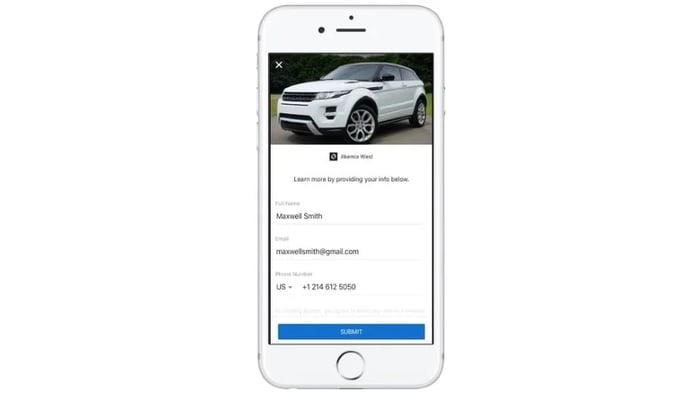
Additionally, Instant Experiences support advanced tracking and analytics. You can embed Facebook pixels and third-party pixels for A/B testing, allowing you to measure performance with precision. This data-driven approach enables you to optimize your campaigns in real-time, ensuring that your budget is spent on the most effective creative elements. The ability to link multiple Instant Experiences together also creates a seamless journey, similar to navigating a mobile website, which enhances the overall user experience and keeps the user engaged longer.
Maximizing Brand Awareness with Visual Storytelling
When focusing on brand awareness, the goal is to create a memorable impression. Instant Experiences allow for a cinematic approach to advertising. Brands can use high-definition video loops as backgrounds, overlaying text and calls to action to guide the narrative. This format is particularly effective for lifestyle brands, travel companies, and entertainment sectors where visual appeal is paramount. By immersing the user in the brand’s aesthetic, you can evoke emotions and associations that static images cannot achieve.
Driving Conversions with Integrated Commerce
For e-commerce brands, the integration of shoppable elements within Instant Experiences is a game-changer. Users can browse products, view details, and even add items to their cart without leaving the Facebook app. This reduces the number of steps required to make a purchase, thereby increasing conversion rates. The Instant Storefront template is specifically designed for this purpose, offering a grid layout that mimics a mobile shopping app. By minimizing friction in the checkout process, brands can capture impulse buys and drive immediate sales.
Step-by-Step Creation Process
Creating an Instant Experience ad begins in Facebook Ads Manager. The process is straightforward, but it requires careful planning to ensure the final product aligns with your campaign goals. Start by creating a new campaign and selecting a marketing objective that supports Instant Experiences, such as traffic, brand awareness, or conversions. This choice will influence the structure and call-to-action of your ad, so it is essential to define your primary goal before proceeding.
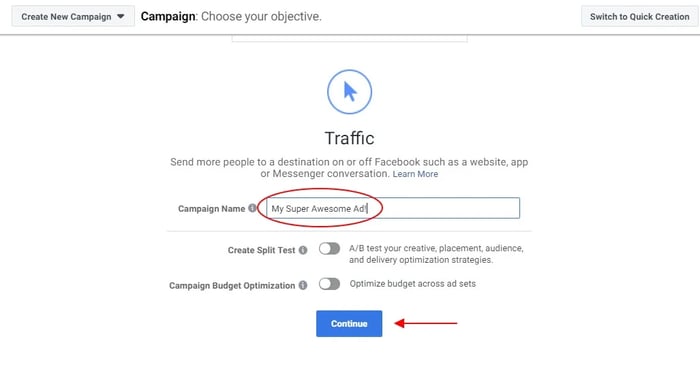
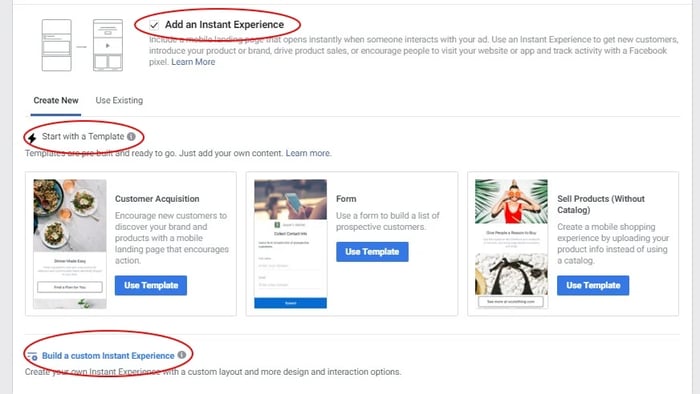
Once you have defined your audience, budget, and schedule, you will reach the ad format selection. Here, you can choose to add an Instant Experience to your ad. Facebook offers several pre-made templates to help you get started quickly:
- Instant Storefront: Ideal for e-commerce, this template displays products in a grid format, making it easy for users to browse and purchase. It is particularly useful for brands with a large product catalog who want to showcase variety.
- Instant Lookbook: This template showcases products in a lifestyle context, similar to a magazine spread, which is effective for fashion and home decor brands. It allows for a more editorial approach to product presentation.
- Instant Customer Acquisition: Designed to drive leads, this template highlights offers and includes a clear call-to-action. It is perfect for businesses looking to grow their email list or generate sales inquiries.
- Instant Storytelling: This template uses images and video to create a highly visual narrative, helping potential customers connect with your brand’s story. It is ideal for brand awareness campaigns.
If you prefer full control over the design, you can build a custom Instant Experience. This involves selecting components, arranging them on a mobile screen, and customizing the layout. It is crucial to name each component clearly, as this makes it easier to identify and edit later. Before publishing, use the mobile preview feature to see how your ad will look on different devices. This step helps you catch any design errors or readability issues before the campaign goes live.
Planning Your Content Strategy
Before diving into the design tool, it is helpful to map out your content strategy. Decide on the key messages you want to convey and the order in which they should appear. Consider the user journey: what do you want them to see first, and what action do you want them to take at the end? A well-planned structure ensures that the ad flows logically and keeps the user engaged from start to finish.
Utilizing the Design Tool Effectively
The Instant Experience design tool is intuitive, but it offers a wide range of customization options. Take advantage of the drag-and-drop interface to experiment with different layouts. Pay attention to the spacing and alignment of elements to ensure a clean and professional look. Remember that less is often more; cluttered designs can overwhelm users and reduce engagement.
Best Practices for Design and Performance
To maximize the effectiveness of your Instant Experience ads, focus on visual clarity and narrative flow. The format is inherently visual, so your imagery and video content must be high-quality and engaging. Avoid cluttering the screen with too much text. Instead, let the visuals tell the story, using text to complement and guide the user’s attention. Ensure that your ad is readable from top to bottom, even if users do not swipe through all the carousels.
One of the highest-performing formats for Instant Experiences is the Collection ad. This format features a large header image or video with four smaller images underneath. When designed well, Collection ads act as thumb-stoppers, encouraging users to engage with the content. They are particularly effective for e-commerce brands looking to showcase multiple products in a single ad. The key is to ensure that every image counts and contributes to the overall narrative.
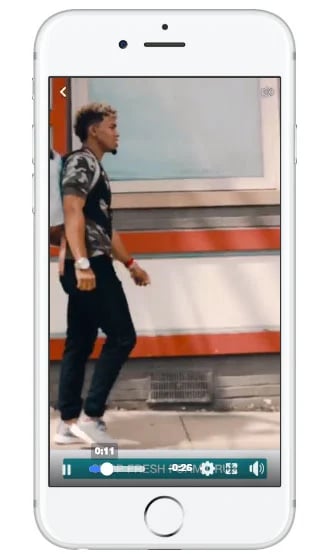
Another critical best practice is to optimize for mobile. Since Instant Experiences are viewed on smartphones, your design must be mobile-first. Use high-resolution images, clear fonts, and intuitive navigation. If you do not have a dedicated design team, rely on Facebook’s design guidelines to ensure your ads meet the technical specifications. Poor design, such as low-resolution images or excessive copy, can damage your brand’s credibility and reduce campaign performance.
Prioritizing Load Speed and Performance
While Instant Experiences are designed to load quickly, the quality of your assets can still impact performance. Compress images and videos without sacrificing quality to ensure fast load times. Large file sizes can cause delays, leading to user frustration and drop-off. Test your ads on various devices and network conditions to ensure they perform consistently well.
Crafting Compelling Calls to Action
Your call to action (CTA) should be clear and compelling. Whether you want users to shop now, sign up, or learn more, the CTA button should stand out and be easy to tap. Place the CTA strategically within the ad to guide users toward the desired action. A/B test different CTAs to see which one drives the best results for your specific audience.
Real-World Success Stories
Examining how leading brands use Instant Experiences can provide valuable insights for your own campaigns. New Balance, for example, used Instant Experiences as part of a product relaunch campaign. By integrating these ads into their funnel, they were able to nurture potential customers from awareness to purchase. The result was a measurable increase in engagement and sales from both new and existing customers.
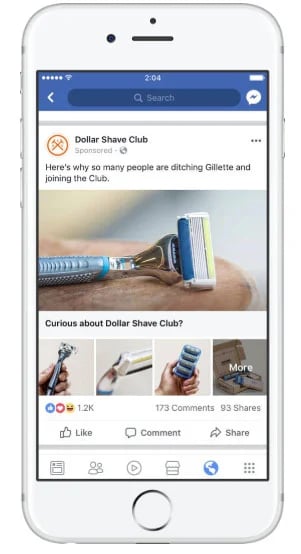
Dollar Shave Club leveraged the Collection ad format to create an immersive user experience. This approach increased their subscription rate by 1.5 times while reducing their cost per subscription by 30% compared to traditional link ads. The success of this campaign highlights the power of combining visual storytelling with direct response elements.
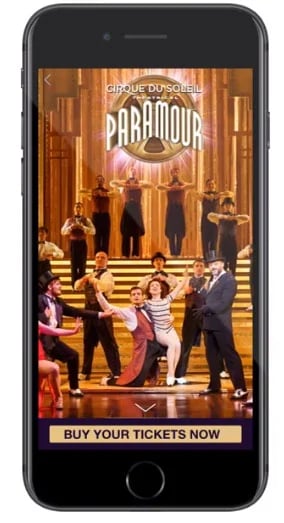
Airbnb used Instant Experiences to showcase its dedication to storytelling and user experience. The high-quality video and visuals helped them reach 125 million people and increase subscribers across target locations. Similarly, Cirque du Soleil used the format to capture the magic of their performances, resulting in an 8.8x return on ad spend. These examples demonstrate that Instant Experiences can be effective for a wide range of industries and campaign goals.
Analyzing the New Balance Campaign
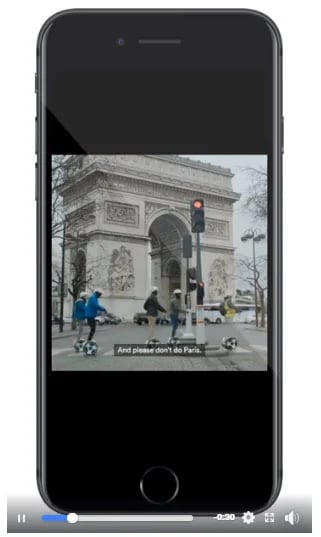
New Balance’s campaign is a prime example of how Instant Experiences can drive both brand awareness and sales. By using a mix of video and product images, they created a dynamic experience that showcased the features and benefits of their new footwear. The seamless integration of shoppable elements allowed users to purchase directly from the ad, reducing friction and increasing conversion rates.
Lessons from Dollar Shave Club
Dollar Shave Club’s success with Collection ads underscores the importance of visual appeal and clear messaging. Their ads featured high-quality images of their products in use, accompanied by concise text that highlighted the value proposition. The use of a strong CTA and a streamlined checkout process contributed to the significant increase in subscriptions.
Final Thoughts on Immersive Advertising
Facebook Instant Experiences offer a powerful way to connect with your audience in a mobile-first world. By providing a fast, immersive, and visually rich experience, you can capture attention and drive action without the friction of external redirects. Whether your goal is brand awareness, lead generation, or sales, this format provides the tools to tell your story effectively.
The key to success lies in thoughtful design and strategic planning. Use high-quality visuals, clear narratives, and optimized layouts to create an ad that resonates with your audience. Leverage the available templates and analytics tools to refine your approach and measure performance. As mobile advertising continues to evolve, Instant Experiences remain a valuable asset in any marketer’s toolkit.
Consider how your brand can benefit from this immersive format. What stories can you tell that will captivate your audience and drive meaningful engagement? The possibilities are vast, and the impact can be significant. By embracing this innovative ad format, you can stay ahead of the curve and deliver exceptional experiences to your mobile users.


