The Shift Toward First-Party Data in Modern Marketing
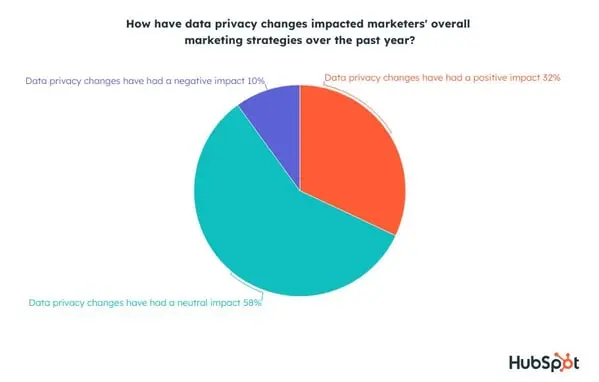
The landscape of digital marketing has undergone a fundamental transformation. For years, marketers relied heavily on third-party cookies and external identifiers to track user behavior and serve targeted advertisements. However, regulatory changes, privacy concerns, and technological shifts like iOS updates have rendered many of these traditional methods obsolete. This shift has left many professionals feeling uncertain about how to effectively reach their audiences while respecting user privacy.

Yet, this disruption presents a significant opportunity. First-party data has emerged as the cornerstone of effective, sustainable marketing strategies. Unlike third-party data, which is collected indirectly and often without explicit user consent, first-party data is gathered directly from your audience. This includes information provided through website interactions, newsletter sign-ups, loyalty programs, and direct purchases. By leveraging this data, businesses can build deeper relationships with their customers, enhance personalization, and drive more meaningful engagement.

According to industry experts, the transition to first-party data is not just a compliance requirement but a strategic advantage. Companies that prioritize collecting and utilizing their own data are better positioned to understand their customers’ needs and preferences. This understanding allows for more accurate targeting, improved customer experience, and higher return on investment. As we navigate this new era, it is essential to understand what first-party data entails and how to implement it effectively.
First-party data is information given to you by, or gathered with consent from, your audience—including customers, visitors, subscribers, or followers. Think of things like loyalty program applications, newsletter signups, or form fills. This data is owned by the business, ensuring greater control and accuracy. It serves as a foundation for building trust and delivering value to your audience.
Why First-Party Data Matters More Than Ever
First-party data offers several distinct advantages that make it indispensable for modern marketing efforts. One of the primary benefits is its accuracy and relevance. Since this data comes directly from your customers, it reflects their actual behaviors, preferences, and interests. This leads to more personalized and effective marketing campaigns. Marketers using first-party data are significantly more likely to report outperforming their goals compared to those relying on external data sources.
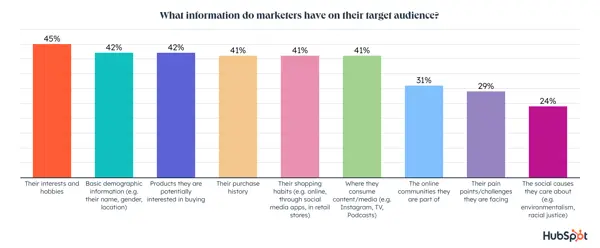
Another critical advantage is the ability to fill in gaps in audience understanding. Many marketers lack comprehensive insights into their customers’ demographics, shopping habits, and content consumption patterns. First-party data provides these insights, enabling businesses to create highly tailored experiences. For instance, knowing a customer’s purchase history allows for targeted recommendations and upselling opportunities. This level of personalization fosters loyalty and increases lifetime value.
Furthermore, first-party data fosters trust among consumers. In an era where privacy concerns are paramount, customers are more willing to share their information with brands that demonstrate transparency and respect for their data. By collecting data with explicit consent and using it responsibly, businesses can build stronger relationships. This trust translates into higher engagement rates and improved brand perception. Consumers feel safer knowing their data is used ethically and only by those they have chosen to interact with.
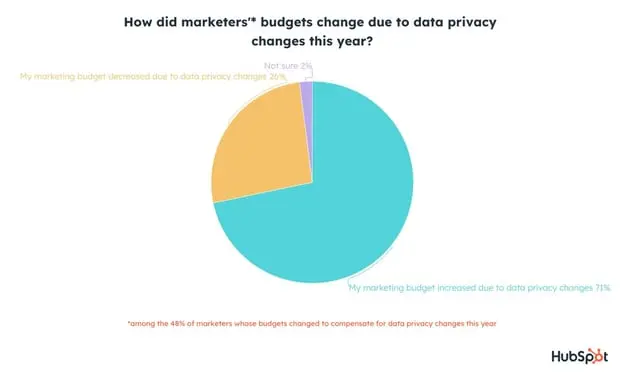
Marketing budgets are also evolving to accommodate these changes. Many organizations are increasing their investment in data privacy and first-party data initiatives. This trend reflects a broader recognition of the value of owning customer data. Executives are prioritizing tools and strategies that enable effective data collection and utilization. As a result, marketers have more resources to explore innovative solutions and optimize their campaigns.
| Benefit | Description |
|---|---|
| Accuracy | Data is direct from the source, ensuring high relevance and precision. |
| Personalization | Enables tailored content and offers based on actual user behavior. |
| Trust Building | Transparent collection fosters consumer confidence and loyalty. |
| Budget Alignment | Increased investment in privacy-compliant marketing technologies. |
Overcoming Challenges in First-Party Data Implementation
Despite its benefits, implementing a first-party data strategy is not without challenges. One of the primary obstacles is the complexity of data management. Marketers often struggle with gathering, analyzing, and applying data across multiple platforms. This fragmentation can lead to inefficiencies and missed opportunities. Many professionals report that tracking visitor data has become more difficult due to privacy regulations and technological changes.
Another challenge is the quality of available data. While first-party data is generally more reliable, it requires careful curation to ensure accuracy and relevance. Poor data quality can undermine marketing efforts, leading to ineffective targeting and wasted resources. Additionally, many marketers lack a single source of truth for their data, making it difficult to gain a holistic view of their customers. This siloed approach hinders the ability to derive actionable insights.
Consumer trust is also a significant factor. Many individuals are hesitant to share personal information due to concerns about misuse or breaches. Marketers must demonstrate genuine value in exchange for data to encourage participation. This requires a shift in mindset from extraction to value creation. By offering compelling incentives and transparent practices, businesses can overcome this barrier and build a robust first-party data foundation.
Moreover, integrating first-party data with existing marketing tools can be technically demanding. Many organizations rely on disparate systems that do not communicate seamlessly. This lack of integration complicates the process of leveraging data for campaign optimization. Addressing these technical hurdles requires investment in compatible software and platforms that facilitate smooth data flow.
| Challenge | Impact |
|---|---|
| Data Fragmentation | Hinders holistic customer view and efficient analysis. |
| Data Quality Issues | Leads to inaccurate targeting and poor campaign performance. |
| Consumer Hesitancy | Reduces willingness to share personal information. |
| Technical Integration | Complicates the use of data across different marketing channels. |
Building a Privacy-Focused First-Party Data Strategy
Constructing an effective first-party data strategy requires a methodical approach. The process begins with defining clear objectives and understanding the specific data needed to achieve them. Rather than collecting data indiscriminately, marketers should start with their business outcomes in mind. This focused approach ensures that data collection is purposeful and aligned with strategic goals. It also helps avoid privacy pitfalls by limiting data gathering to what is necessary.
Defining Data Needs and Auditing Sources
The first step is to identify the key metrics and insights that drive your business. Ask yourself what information is essential for achieving your marketing objectives. Once you have a clear picture of your data needs, audit your existing sources. Evaluate the quality and relevance of data from various touchpoints, such as website interactions, customer support channels, and social media engagement. This audit helps identify gaps and opportunities for improvement.
High-quality sources often include customer registrations, purchase histories, and direct feedback. These channels provide rich, actionable insights that can enhance personalization and targeting. By prioritizing these sources, you can build a more comprehensive and accurate customer profile. This foundational step sets the stage for a successful first-party data strategy.
Offering Value in Exchange for Data
To encourage customers to share their information, you must offer compelling value in return. This exchange is crucial for building trust and fostering long-term relationships. Consider what your audience values most, whether it’s exclusive content, discounts, or personalized experiences. By providing tangible benefits, you incentivize data sharing and demonstrate your commitment to their needs.
Effective incentives might include loyalty programs, free resources, or early access to new products. The key is to align the offer with your audience’s interests and preferences. This approach not only increases data collection rates but also enhances customer satisfaction. By focusing on mutual benefit, you create a positive feedback loop that strengthens your brand-customer relationship.
Centralizing Data and Mapping the Customer Journey
Once you have collected the necessary data, it is essential to centralize it in a single source of truth. This could be a Customer Relationship Management (CRM) system or a Customer Data Platform (CDP). Centralization enables a holistic view of your customers, facilitating better analysis and decision-making. It also simplifies the process of leveraging data across different marketing channels.
Mapping the customer journey is another critical component. Understanding the various touchpoints and interactions your customers have with your brand allows for more targeted and timely engagement. This map should include all stages, from initial awareness to post-purchase support. By visualizing the journey, you can identify opportunities for optimization and improvement.
| Step | Action Item |
|---|---|
| Define Objectives | Identify key metrics and data needs. |
| Audit Sources | Evaluate existing data channels for quality and relevance. |
| Offer Value | Create incentives that align with audience interests. |
| Centralize Data | Use a CRM or CDP for a unified customer view. |
| Map Journey | Visualize all customer touchpoints for optimization. |
Integrating Data for Seamless Marketing Execution
Integrating first-party data with your marketing tools is vital for executing effective campaigns. This integration ensures that data flows smoothly between platforms, enabling real-time updates and consistent messaging. Look for software solutions that automate this process, reducing manual effort and minimizing errors. Automated integration allows you to leverage your data across search, social, and display channels effortlessly.
One of the most significant advantages of seamless integration is the ability to maintain privacy compliance automatically. Tools that respect user preferences and consent settings ensure that your marketing efforts remain ethical and lawful. This feature is particularly important in an era of stringent data protection regulations. By prioritizing privacy, you protect your brand reputation and build trust with your audience.
Furthermore, integrated systems enable more sophisticated targeting and personalization. With access to comprehensive customer data, you can create highly relevant content and offers. This level of customization enhances the user experience and drives higher conversion rates. It also allows for continuous optimization based on real-time performance data.
Using data more than once is another key principle. Instead of treating data as a one-time asset, leverage it across multiple campaigns and channels. This approach maximizes the value of your data investment and ensures consistent engagement. By reusing and repurposing data, you can uncover new insights and opportunities for growth.
In conclusion, building a robust first-party data strategy is essential for navigating the modern marketing landscape. By focusing on accuracy, trust, and seamless integration, businesses can achieve sustainable growth and competitive advantage. The journey requires effort and commitment, but the rewards are substantial. As you move forward, remember that data is not just a resource but a relationship. Treat it with care, and it will yield lasting benefits.
What steps will you take to enhance your first-party data strategy in the coming quarter?


