Navigating EEAT in the AI Era
In 2023, the HubSpot Blog team undertook one of the most ambitious content audits in its history. This was not a routine check-up; it was a strategic overhaul designed to address SERP volatility and redefine the blog’s approach to Experience, Expertise, Authoritativeness, and Trustworthiness (EEAT). The audit spanned three distinct phases, targeting the oldest content, the lowest-performing posts, and the overall value of topic clusters. In total, the team reviewed over 10,000 blog post URLs and more than 450 topic clusters.

The decision to launch this initiative stemmed from a growing recognition that content freshness and helpfulness had become critical ranking factors. With Google’s March 2023 Core Update emphasizing experience, the team felt an urgent need to evaluate their library. The HubSpot Blog, home to nearly 14,000 pages at the time, faced a common challenge for large publishers: as content ages, the opportunity for new growth shrinks. By auditing their oldest 4,000 URLs, the team aimed to uncover “greenspace” and “quasi-greenspace” topics—areas they had covered but failed to capitalize on effectively. This process was essential for maintaining relevance in an increasingly competitive search landscape.
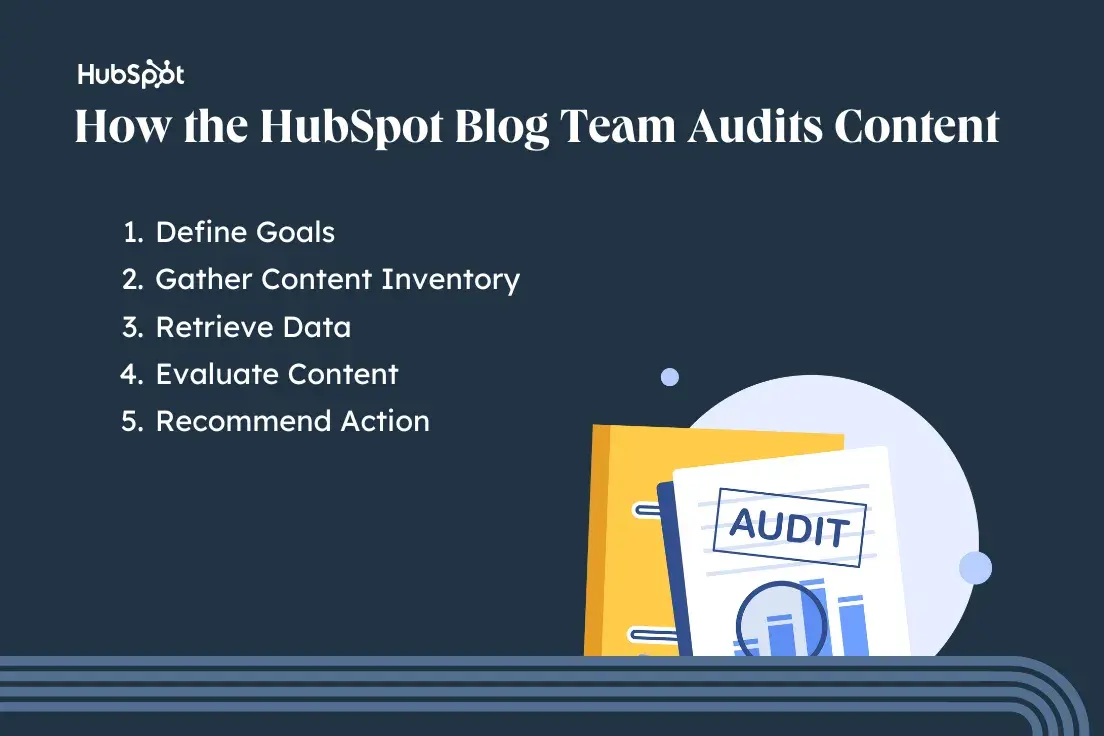
This article focuses on the first phase of the audit: evaluating the oldest content. We will walk through the methodology used to assess these posts, the actions taken, and the results achieved. For businesses looking to improve their own content strategies, this case study offers valuable insights into how structured audits can drive meaningful improvements in traffic and relevance. As AI-driven search continues to evolve, the ability to maintain fresh, authoritative content is more important than ever.
Why EEAT Matters More Than Ever
The shift toward EEAT-focused evaluation means that search engines are no longer just looking at keywords and backlinks. They are assessing whether the content creator has demonstrated first-hand experience and sufficient expertise on the topic. For a massive publication like the HubSpot Blog, this requires a rigorous internal review process. The team had to ensure that every piece of content, regardless of its age, met high standards for accuracy and authority. This involves verifying facts, updating statistics, and ensuring that the tone and perspective reflect current industry best practices.
Furthermore, the rise of generative search and AI-overviews has changed how users interact with search results. Users are often looking for concise, authoritative answers that can be synthesized by AI models. If older content contains outdated information or lacks clear expertise, it risks being ignored or even penalized. By conducting a thorough content audit, the HubSpot Blog team ensured that their library remained a trusted source of information, capable of performing well in both traditional SERPs and emerging AI-driven interfaces.
Defining Goals and Gathering Inventory
Before diving into the audit, the team established clear objectives. The primary goal was to identify opportunities for optimization and pruning within the oldest 4,000 URLs. This scope was chosen because these posts were most likely to benefit from updates or removal. The team also defined the metrics they would use to evaluate each post, including organic traffic, backlinks, and keyword potential. By setting these parameters upfront, they ensured the audit would be focused and actionable.
Gathering the content inventory was the next step. The team exported the oldest 4,000 blog posts from HubSpot’s Content Hub into a spreadsheet. They carefully selected the relevant columns, such as post title, URL, author, and publish date, while removing unnecessary data like meta descriptions and featured image URLs. This streamlined approach allowed them to focus on the core information needed for evaluation. For organizations using similar CMS platforms, this process can be adapted to fit their specific tools and workflows.
Setting Up the Data Framework
A successful content audit relies heavily on the quality and organization of the data. The HubSpot Blog team created a standardized template to house the inventory data. This template included fields for current performance metrics, content type, and recommended actions. By standardizing the data structure, the team ensured that all stakeholders could easily access and interpret the information. This step is crucial for large-scale audits, as it prevents data silos and ensures consistency in evaluation.
Additionally, the team considered the technical aspects of the inventory. They checked for broken links, missing meta tags, and other technical SEO issues that could impact performance. By addressing these technical issues early in the audit process, the team ensured that the content would be fully optimized for search engines once updates were implemented. This holistic approach to data gathering and preparation laid the foundation for a successful audit.
Retrieving and Analyzing Data
With the inventory in place, the team retrieved performance data for each URL. They pulled organic traffic figures from Google Search Console and used a VLOOKUP function to match clicks to each post. Backlink and keyword data were obtained through a keyword research tool. This data provided a quantitative foundation for the audit, allowing the team to assess the current impact of each post.
The evaluation process involved assessing each post based on three key criteria: type of content, freshness level, and organic potential. Content types were categorized as educational, thought leadership, business updates, newsjacking, or research. Freshness levels were rated as outdated, stale, or relatively fresh. Organic potential was determined by asking whether users would search for the topic on Google. This structured approach ensured that each post was evaluated consistently and objectively.
Deep Dive: Assessing Organic Potential
Determining organic potential is one of the most challenging aspects of a content audit. It requires a deep understanding of user intent and search trends. The HubSpot Blog team used a combination of keyword research tools and SERP analysis to assess the potential of each post. They looked for keywords with high search volume and low competition, as well as keywords that aligned with the blog’s overall SEO strategy.
For posts with low organic potential, the team considered whether they could be repurposed or updated to target different keywords. For example, a post about a specific software feature might have low organic potential if the feature is no longer popular. However, by updating the post to focus on broader industry trends, the team could increase its organic potential. This flexible approach to keyword targeting allowed the team to maximize the value of their existing content.
Evaluating Content Freshness and Potential
Freshness was a critical factor in the audit. Since the posts ranged from 2006 to 2015, none could be considered 100% fresh. However, the team distinguished between topics that were inherently outdated and those that remained evergreen but required updates. For example, a post about Google+ was deemed outdated and unlikely to benefit from a refresh. In contrast, a post on general marketing principles was considered evergreen and potentially valuable with moderate updates. This nuanced approach allowed the team to prioritize efforts where they would have the greatest impact.
Organic potential was assessed by determining if there was a viable focus keyword for each post. If a post had no organic potential, it was flagged for pruning. If it did, the team recommended a focus keyword based on keyword research and SERP analysis. They also checked for cannibalization, ensuring that no two posts competed for the same keyword. This step was crucial for maintaining a healthy internal linking structure and avoiding self-competition in search results.
Practical Steps for Evaluating Freshness
To evaluate content freshness effectively, teams should consider the following steps:
- Identify Evergreen vs. Time-Sensitive Content: Determine which topics are likely to remain relevant over time and which are tied to specific events or trends.
- Check for Outdated Information: Review posts for outdated statistics, broken links, or references to discontinued products or services.
- Assess User Intent: Consider whether users are still searching for the topic and what their intent might be.
- Compare with Competitors: Analyze how competitors are covering the same topics and identify gaps or opportunities for improvement.
By following these steps, teams can ensure that their content remains fresh and relevant, driving sustained organic traffic over time.
Taking Action on Audited Content
Once the evaluation was complete, the team categorized each URL into one of four action groups: keep, optimize, recycle, or prune. Posts marked for optimization were good but outdated, requiring refreshes to improve performance. Those marked for recycling had URLs with value but content that was not salvageable, necessitating a rewrite from scratch. Pruned posts lacked both content and URL value from an organic standpoint. This clear categorization streamlined the decision-making process and ensured that actions were aligned with strategic goals.
Optimizing and Recycling High-Potential Posts
Of the 4,000 URLs audited, 951 (23.78%) were recommended for optimization or recycling. These posts had organic potential and represented significant opportunities for traffic growth. The team coordinated with stakeholders to determine their capacity for updates, ultimately deciding to focus on 240 posts in 2024. This initiative, internally known as the “De-Age the Blog Project,” was led by the EN Blog Strategy team.
Prioritization was based on the complexity of the updates required. Simple updates were assigned to freelancers, while complex updates were handled by in-house writers. Recycling involved rewriting posts from scratch while retaining the original URL. Initially, the team prioritized simpler updates, but later shifted to focusing on posts with the highest monthly search volume (MSV) potential. This strategic pivot allowed them to maximize the impact of their efforts, even with limited resources.
Strategies for Effective Content Optimization
When optimizing content, it is essential to focus on quality and relevance. The HubSpot Blog team ensured that all updates were aligned with the latest industry trends and best practices. They also paid close attention to user experience, ensuring that the content was easy to read and navigate. This included updating images, adding relevant internal links, and improving the overall structure of the posts.
Additionally, the team considered the role of multimedia in content optimization. They added videos, infographics, and other visual elements to enhance the user experience and increase engagement. By incorporating multimedia, the team was able to provide a more comprehensive and engaging experience for users, which can positively impact search rankings.
Pruning Low-Value Content
The remaining 2,888 URLs (72.2%) were recommended for pruning. These posts either lacked organic potential, posed a cannibalization risk, or were too outdated to justify updates. The team evaluated each URL to determine whether it should be archived (404) or redirected (301). URLs with fewer than 10 backlinks and no valuable backlink profile were archived. Those with more than 10 backlinks or a valuable profile were redirected to the most relevant page, such as a pillar page or the blog homepage. This careful approach ensured that link equity was preserved where possible while removing low-value content from the index.
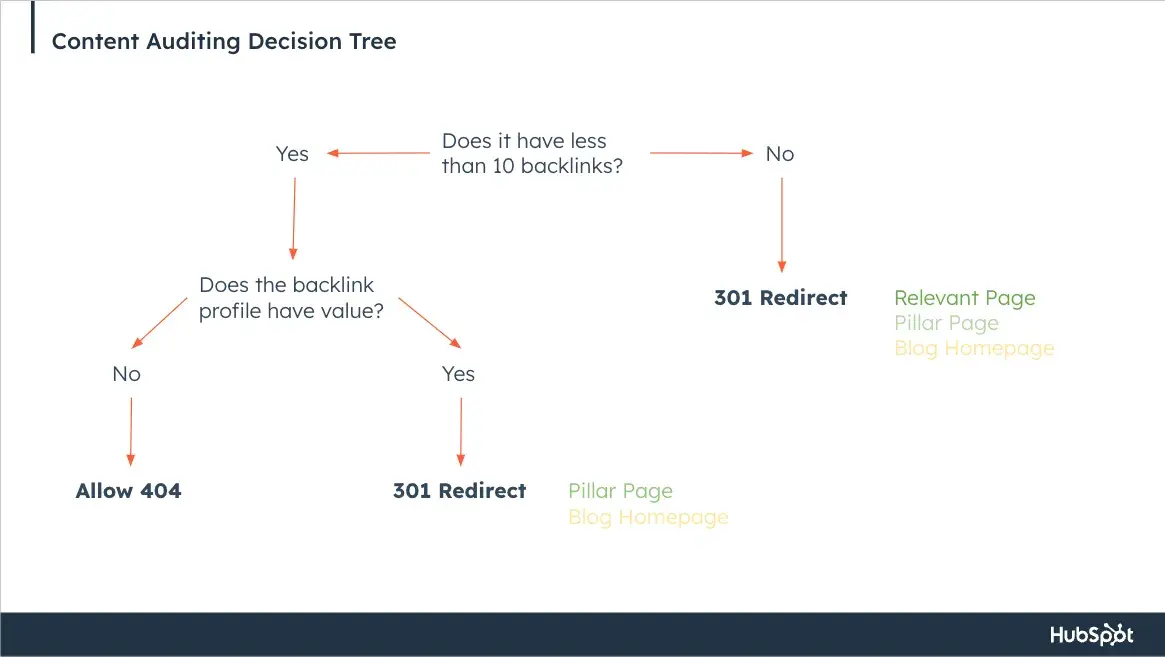
The pruning process was implemented in batches to monitor impact. The team worked with developers to create a script that automatically unpublished and archived URLs, while using the Bulk URL Redirect tool for 301 redirects. This methodical approach minimized risk and allowed for real-time adjustments based on performance data. Although the process was time-consuming, it was essential for maintaining a high-quality content library.
Best Practices for Content Pruning
Content pruning can be a daunting task, but it is essential for maintaining a healthy content library. Here are some best practices to consider:
- Start Small: Begin with a small batch of URLs to test the process and monitor impact.
- Preserve Link Equity: Redirect URLs with valuable backlinks to relevant pages to preserve link equity.
- Monitor Performance: Track the impact of pruning on organic traffic and search rankings to ensure that the changes are having the desired effect.
- Communicate with Stakeholders: Ensure that all stakeholders are aware of the pruning process and its rationale to avoid confusion or pushback.
By following these best practices, teams can effectively prune low-value content without negatively impacting their overall SEO performance.
Results and Insights from the Audit
The results of the audit were significant. The 76 posts updated as part of the De-Age the Blog Project saw a 458% increase in cumulative monthly traffic six months after implementation. This demonstrates the power of targeted updates, even when resources are limited. While the project was ultimately deprioritized due to other strategic shifts, the initial results validated the approach and highlighted the potential for growth through content optimization.
Impact on Content Freshness
One of the most notable outcomes of the audit was the improvement in content freshness. At the start of the audit, the average age of the HubSpot Blog’s content library was 2,088 days (5.7 years). After pruning 2,888 URLs and updating hundreds more, the average age dropped to 1,747 days—a reduction of 341 days. This nearly one-year decrease in average age is a substantial improvement, particularly in a landscape where freshness is a key ranking factor. By removing outdated content and refreshing evergreen posts, the team created a more relevant and authoritative resource for users.
Long-Term Benefits of Regular Audits
Regular content audits offer long-term benefits beyond immediate traffic gains. They help organizations maintain a high-quality content library that aligns with their strategic goals and user needs. By regularly evaluating and updating content, organizations can ensure that their content remains relevant and authoritative, even as search algorithms and user behaviors evolve.
Additionally, regular audits can help organizations identify gaps in their content strategy. By analyzing performance data and user feedback, organizations can identify topics that are underrepresented or poorly covered. This allows them to create new content that addresses these gaps, further enhancing their overall content strategy.
Lessons Learned for Future Audits
The audit process revealed several key lessons. First, defining clear goals and scopes is essential for managing large-scale audits. Second, prioritizing updates based on organic potential and MSV can maximize impact. Third, pruning low-value content is just as important as optimizing high-potential posts. Finally, implementing changes in batches allows for better monitoring and risk management. These insights can be applied by any organization looking to improve its content strategy and maintain relevance in search results.
As AI-driven search continues to evolve, the importance of high-quality, fresh content will only increase. Organizations that proactively audit and update their content libraries will be better positioned to capture visibility in generative search environments. The HubSpot Blog’s experience serves as a valuable case study for how structured audits can drive meaningful improvements in traffic, relevance, and overall content quality. By focusing on EEAT principles and maintaining a commitment to freshness, businesses can thrive in the new search landscape.
What steps can your organization take to ensure its content remains fresh and relevant in the face of evolving search algorithms? Consider starting with a small-scale audit of your oldest or lowest-performing content to identify opportunities for improvement. The insights gained from this process can inform broader strategic decisions and help you stay ahead of the competition.


