The Imperative for Enterprise AI Governance in Content Production
Organizations are rapidly shifting from experimental AI pilot programs to full-scale content production. While this transition promises unprecedented efficiency, it introduces significant risks when left ungoverned. Ungoverned AI content generation often leads to hallucinations, brand voice inconsistency, and potential legal exposure.
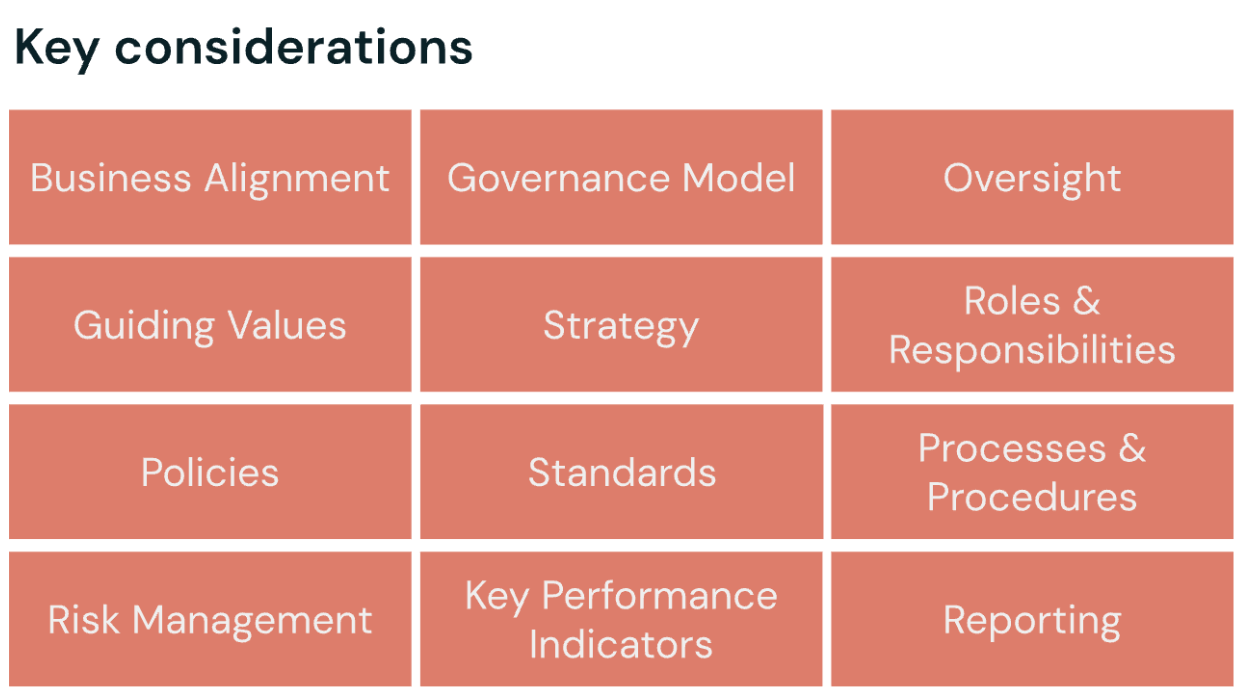
To maintain market authority and brand integrity, enterprises must move beyond ad-hoc usage. Establishing a unified governance framework is no longer an optional IT initiative; it is a fundamental requirement for scaling content production responsibly and sustainably.
Pillar 1: Operational Governance and Scalability Protocols
Scaling AI content requires a structured approach that mirrors traditional enterprise publishing, albeit at higher velocity. Operational governance ensures that production workflows remain consistent and traceable.
- Standardized Workflows: Define clear, repeatable processes for AI-assisted drafting, review, and approval.
- Defined Roles: Clearly delineate responsibilities between marketing, IT, and legal teams to ensure multidisciplinary oversight.
- Auditability: Implement rigorous version control and comprehensive audit trails for every AI-generated asset, ensuring full visibility into the content lifecycle.
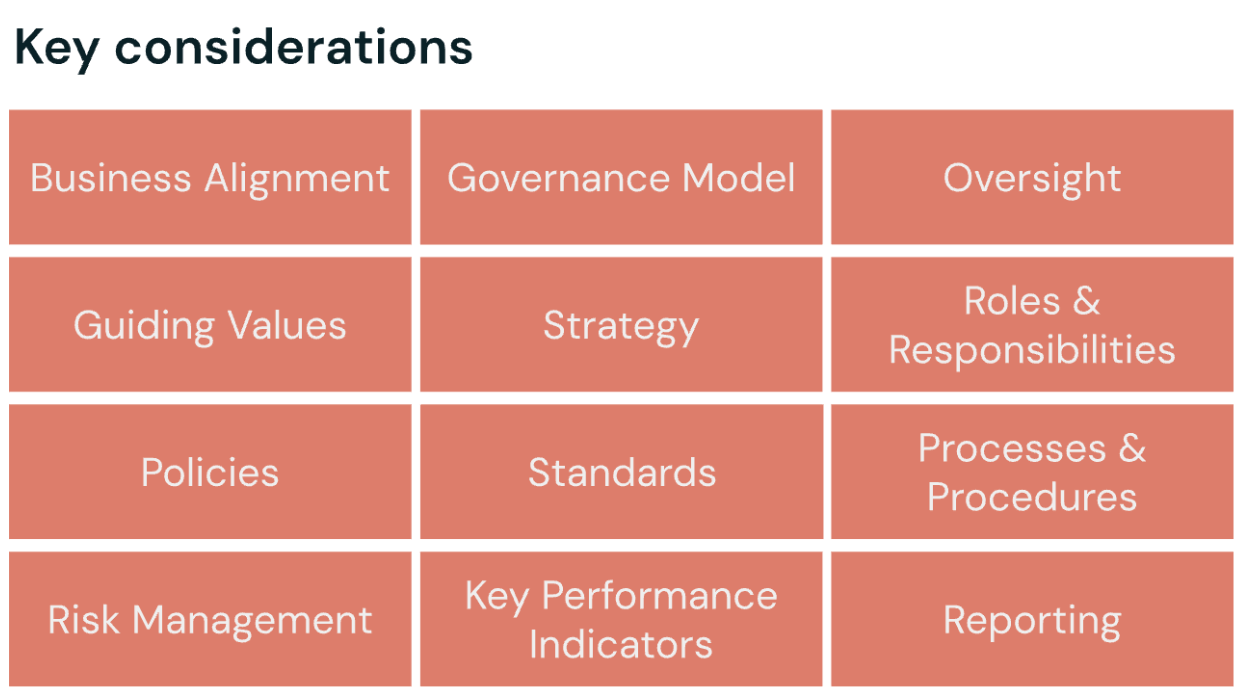
Pillar 2: Security, Compliance, and Data Integrity Frameworks
Protecting proprietary data is paramount when integrating generative AI into content pipelines. Organizations must enforce strict boundaries between internal operational security and the external compliance of published assets.
- Data Privacy: Establish uncompromising standards for how data is handled during AI model training and generation processes.
- Proprietary Security: Implement robust protocols to prevent the exposure of sensitive brand data to third-party model providers.
- Compliance Integration: Ensure all automated content processes align with relevant industry regulations regarding data usage and intellectual property.
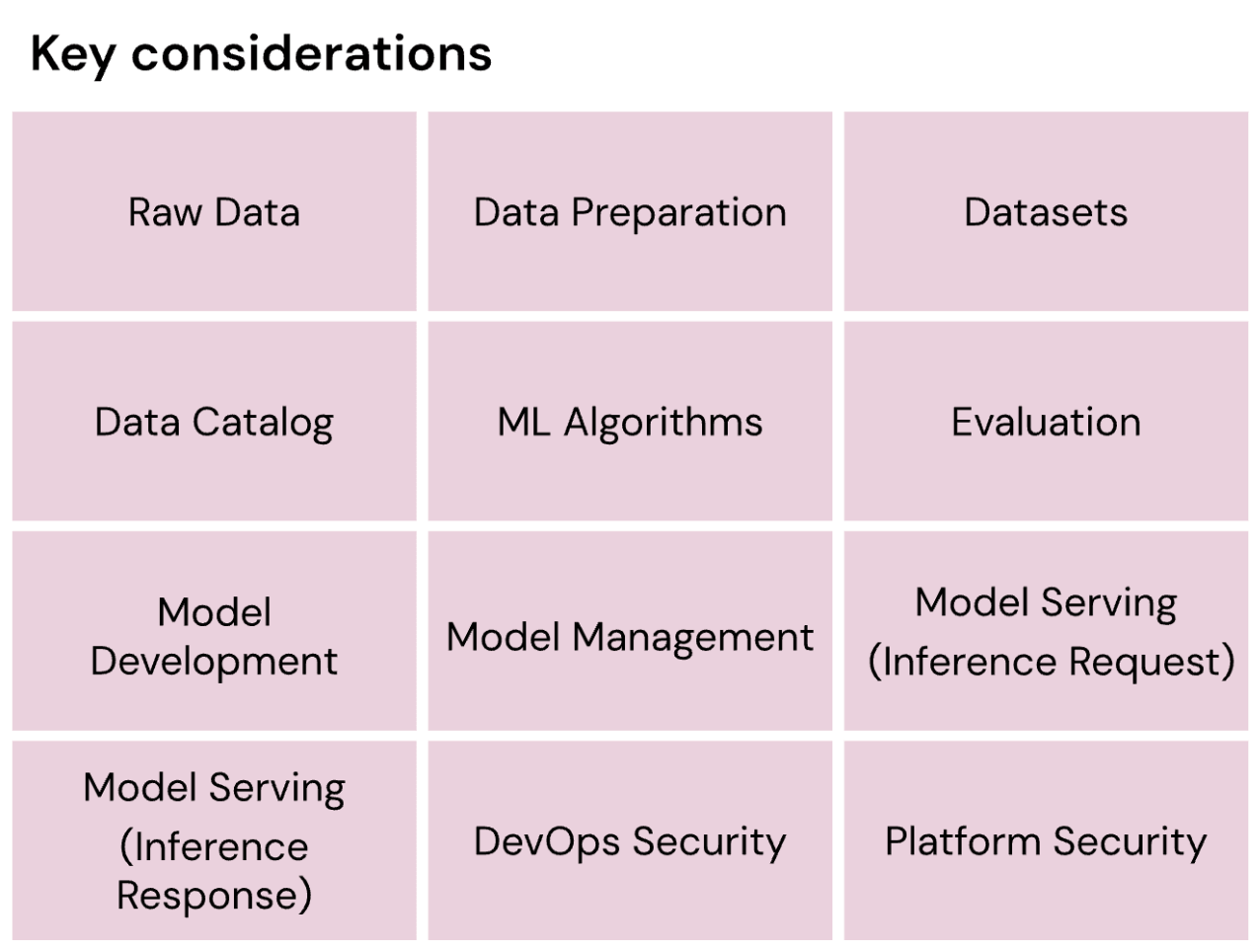
Pillar 3: Ethical AI and Brand Reputation Management
Automated content production must be guided by human values to maintain market trust. This requires proactive bias mitigation and the enforcement of firm editorial standards.
- Brand Guardrails: Codify your organization’s unique tone, style, and values into explicit instructions to prevent AI drift.
- Human-in-the-Loop (HITL): Mandate editorial oversight at critical checkpoints to verify accuracy and narrative alignment.
- Bias Mitigation: Continuously monitor outputs for unintentional bias, ensuring content remains objective, inclusive, and aligned with corporate responsibility initiatives.
Assessing Your AI Governance Maturity Model
Understanding your current governance posture is the first step toward building an enterprise-ready strategy. Organizations generally fall into one of four stages of maturity:
- Ad-hoc: Experimental usage without formal oversight.
- Defined: Initial policies and workflows are established for specific teams.
- Managed: Organization-wide standards for compliance, security, and ethics are consistently enforced.
- Optimized: Governance is fully automated, scalable, and integrated into the core business strategy.
To progress, leaders must evaluate their current indicators—such as the consistency of brand voice and the efficiency of internal audit cycles—against these stages. Building a roadmap based on these maturity markers allows for a phased approach to achieving full-scale, secure AI readiness.