The Paradigm Shift: How LLMs Evaluate Content Quality at Scale
The transition to generative search has fundamentally shifted the standard for digital visibility. Where search engines once relied on keyword density and link-based authority, Large Language Models (LLMs) now prioritize contextual relevance and informational density. This is no longer a game of matching terms; it is a challenge of satisfying the semantic intent of complex, conversational queries.
At the core of this evolution is the relevance threshold. LLMs determine content worthiness based on the quality of the information provided and its utility in answering a specific user query. Content that is high-volume but low-context—often characterized by repetitive keyword stuffing or superficial analysis—fails because it lacks the semantic depth required to be synthesized into a high-quality answer. To remain competitive, brands must move beyond outdated SEO tactics and embrace a framework that treats content as a high-precision, machine-readable asset.
Building the AI-Ready Content Pipeline: From Strategy to Syndication
Scaling content for AI search requires an operational overhaul that replaces ad-hoc writing with a modular content architecture. Instead of static documents, brands should decompose complex topics into semantic atoms—distinct, reusable blocks of information that serve as foundational building blocks for AI responses.
The Pipeline Framework
- Semantic Decomposition: Breaking down core brand topics into granular, self-contained units that LLMs can easily parse and retrieve.
- Proprietary Enrichment: Integrating unique, first-party data into these modules. AI search engines thrive on unique insights; utilizing your brand’s proprietary data ensures your content becomes a primary source for LLM training and retrieval.
- Dynamic Feedback Loops: Establishing automated tracking between your publishing platform and AI visibility metrics to identify which content modules are frequently cited in generated answers, allowing for iterative refinement based on performance.
Operationalizing Context: Beyond Basic Keyword Optimization
To truly capture AI visibility, you must make your content findable and interpretable in a neural search environment. This requires moving beyond keyword optimization to an entity-centric approach.
By mapping your content to specific business entities, products, and services, you allow AI crawlers to construct a knowledge graph of your brand’s expertise. Standardizing this through technical structured data is non-negotiable; it provides the explicit context that AI models need to associate your brand with authoritative answers. Implementing rigid content schemas ensures that when an answer engine references your brand, the citation is consistent, accurate, and reinforces your domain authority across all generative search touchpoints.
Measuring Success in the Generative Search Ecosystem
Traditional ranking reports are becoming obsolete. In the Generative Search Era, the primary KPIs must shift toward Answer Inclusion and Source Authority.
Successful brands now measure success by tracking how often their content is utilized by LLMs to fulfill user intent. This requires sophisticated monitoring of brand sentiment and attribution within generated outputs.
Key considerations for your measurement stack include:
- Attribution Mapping: Monitoring not just if you are indexed, but if you are actively cited as a trusted source in AI-generated responses.
- Sentiment Alignment: Ensuring that the context in which your brand is discussed aligns with your established positioning.
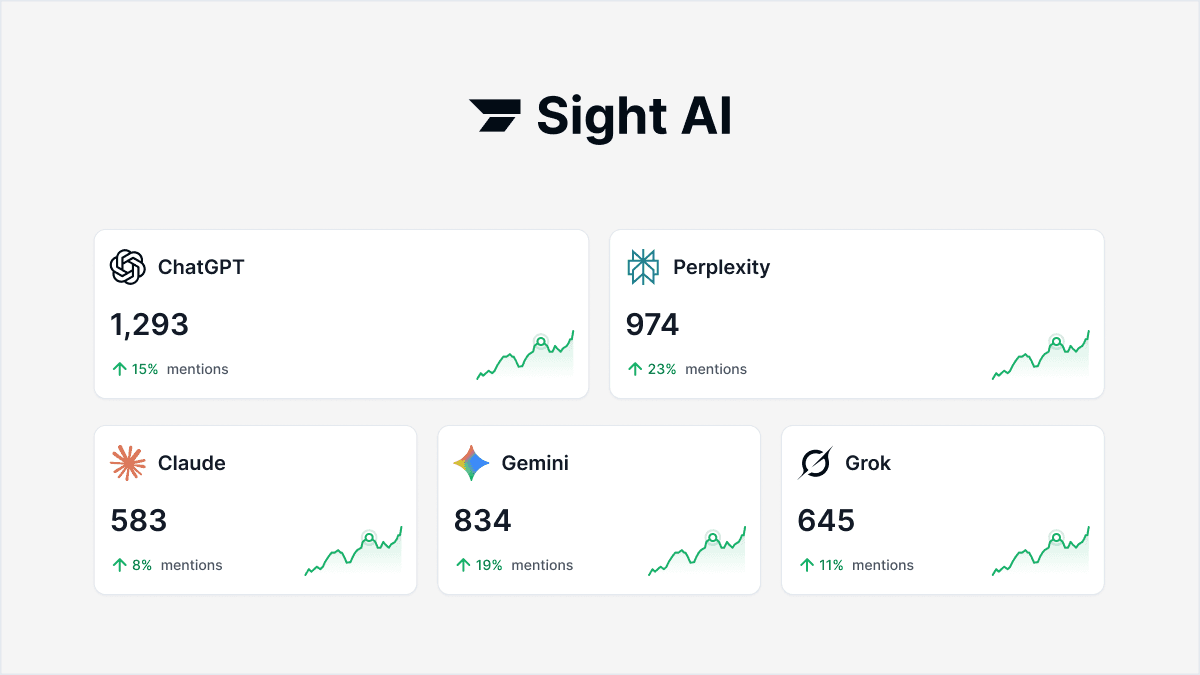
- Technological Integration: Utilizing specialized tools designed to track brand presence and citation velocity within the LLM ecosystem, rather than relying on legacy traffic analytics.
By operationalizing these metrics, brands can pivot from reactive content production to a proactive strategy that dominates the AI-powered search landscape.