The Silent Majority: Why Audio-Free Video Ads Dominate Facebook
Video advertising on Facebook operates under a set of rules that differ significantly from traditional television or even YouTube viewing. The defining characteristic of the Facebook environment is silence. A large percentage of users watch videos from their smartphones while scrolling through their news feed, and they do so without activating the sound. This creates a unique challenge for content creators and brands: you must compete in a soundless, auto-play environment where audio is not an option, but visual impact is mandatory.
This reality is compounded by Facebook’s pay-to-play model. Brands must invest in paid reach to ensure their content is seen, which raises the stakes for every second of video content. If a video fails to capture attention immediately, the cost per impression rises, and the return on investment (ROI) diminishes. Consequently, many brands are shifting toward video ads because they typically yield higher engagement and improved conversion rates compared to static images. However, this shift requires a fundamental change in thinking. You cannot rely on narration, music, or dialogue to convey your message. You must master visual storytelling.
The pressure to perform is high. Industry experts estimate that up to 40% of Facebook video ads fail to communicate effectively when the sound is off. This statistic highlights a critical gap in many advertising strategies. When audio is removed, the luxury of verbal explanation disappears, but the demand for conversions remains. Brands and entrepreneurs must adapt by focusing on what it means to communicate through video without sound. This involves creating content that is visually compelling, instantly understandable, and optimized for a silent viewing experience.
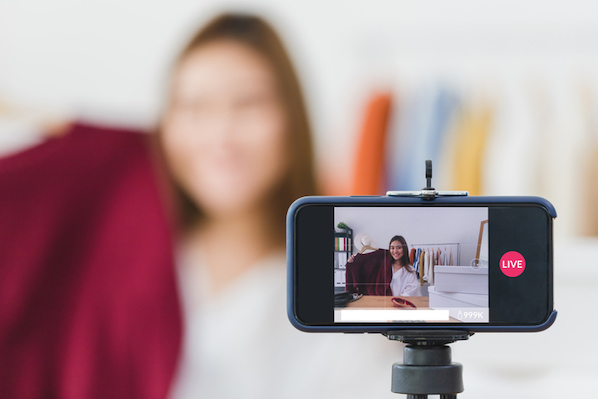
Core Principles of Visual Storytelling for Silent Ads
The foundation of a successful silent video ad is a script that functions without dialogue. Traditional video production often relies heavily on spoken words to drive the narrative. However, on Facebook, this approach is risky because the majority of viewers will not hear your message. You must avoid depending entirely on dialogue, as this sets you up for failure. Instead, your script should be designed to sell your brand through visual cues, text overlays, and action. Concepts such as interviews or speaking hosts should be avoided unless the message can be fully conveyed through subtitles and strong visual context.
Emphasizing big, bold visuals is another critical principle. Your video must stand out in a feed filled with jokes, celebrity gossip, and personal updates. The images you choose should be high-contrast and visually striking to prevent confusion with regular video content that relies on audio. Building a reputation for digestible silent content encourages viewers to slow down and engage with your new videos. For example, a security camera brand might demonstrate its product’s durability by showing a hand yanking the camera out of frame, communicating value through movement rather than narration.
Content must also explain itself immediately. You do not have time for subtle or meta messaging. Your video should communicate the happiness, frustration, or core value of your brand without needing audio or extensive words. Start with a question or a shocking statement paired with great visuals. Cut straight to the core of what you are offering. If your message is confusing, viewers will scroll past. Clarity is paramount in a silent environment where you only have a few seconds to stop the scroll. The goal is to make the viewer understand the product or service’s benefit instantly, without requiring them to listen to an explanation.
Strategic Execution: CTAs, Offers, and Animations
Placing your call-to-action (CTA) wisely is essential for driving conversions. While the CTA button is technically outside the video itself, the video content should urge the viewer to click it. Research has shown that different CTA prompts yield different results. For instance, a “Download” button often outperforms “Sign Up” or “Learn More” because it suggests a lower commitment and less time consumption. You should A/B test different CTA prompts to find what works best for your audience. Additionally, consider where in the video you place the visual cue for the CTA. Testing placements at the opening, middle, and end of the video can reveal which position drives the most clicks.
Dropping your discount or offer early is another effective tactic. There is no guarantee that consumers will watch an ad all the way through. Facebook ads on average capture just 60 seconds of viewers’ attention, and many people will leave before that. Therefore, it is crucial to frontload your most important information, such as a discount or special offer. Ensure that the offer integrates naturally with the rest of the video, rather than appearing as a segregated element. This approach ensures that even viewers who drop off early still receive the key value proposition.
Animations offer a powerful alternative for brands with limited budgets. Due to their visual-heavy nature, animations transition easily to silent formats. They do not require actors, cameras, or multiple locations, making them a cost-effective solution. When creating animated silent video ads, focus on designing an outline or script that works without a voiceover. Use a mood board or style guide to keep colors, graphics, text, and transitions on-brand and clean. A storyboard is also essential to keep the animation concise and focused on the core message. This visual approach allows for a fast transition to social platforms without the need for extensive audio production.
Advanced Tactics for Capturing Attention
Establishing a quick connection with your audience is vital. Research indicates that 65% of viewers who watch the initial three seconds of a video ad will continue watching for more than 10 seconds. Therefore, you must consider videos and thumbnail images that hook people immediately. Use brand colors, imagery, and themes to create a sense of familiarity. Creativity is key; try to pique curiosity by creating an introduction that makes people wonder what is happening. Reviewing movie trailers and commercials can provide inspiration for techniques that grab attention without relying on sound.
Making graphics large and prominent helps convey your message without audio. Use large titles to emphasize key features or steps in your video. Flashy transitions can also draw attention, but ensure they remain consistent with your brand’s signature look and feel. Keeping the title or main point of the video at the top of the screen at all times can help viewers who missed the beginning understand the context. This style is becoming increasingly popular as it overcomes the silent aspect of videos by providing constant visual context.
Adding subtitles is a practical step for ensuring your message is heard, even if the sound is off. Facebook offers a feature to automatically add captions, but it is recommended to review and edit them for accuracy. Captioning technology is not perfect, and errors can detract from your brand’s professionalism. Alternatively, you can use transcription tools for higher accuracy, though this may involve additional costs. The goal is to ensure that every word spoken in the video is accessible to viewers who are watching silently.
Optimizing Content Structure and Presentation
Optimizing the ad description and title is often overlooked but crucial for success. These sections provide important information to Facebook’s targeting algorithms and help viewers understand what to expect. Include relevant keywords in your ad copy to ensure relevance. Generate curiosity with catchy titles, as they act like the subject line of an email. Do not treat the title and description as an afterthought; they are essential components of your ad’s performance. A well-crafted title can significantly increase click-through rates by setting the right expectations.
Keeping your video short is another best practice. For in-stream videos, the recommended length is five to 15 seconds, with a maximum allowance of 31 seconds. Standalone ads should last less than 15 seconds, as shorter video ads have higher completion rates. Be ruthless when creating your storyboard and script. Discipline in the early stages of ideation helps prevent excess content later. Avoid waiting until the end to cut scenes, as this often results in a video that is too long. A strict storyboard and script drive decision-making and ensure the final product is concise and impactful.
Copying the “news” style can make your ads feel more native to the Facebook feed. This involves using images and short video clips overlaid with text on colored backgrounds, similar to the style used in news feeds. This approach leverages the authoritative style associated with news content, making the ad feel less like an overt advertisement and more like a relevant update. Tools like Lumen5 can help create this look, allowing brands to produce real-time videos that report on trends or product features in a familiar format.
Leveraging Visual Tricks and Iteration
Blurring your introduction is a clever trick to grab attention. By blurring the first few seconds of your video, you create suspense and curiosity. Viewers may pause to see what is happening, especially if they are scrolling quickly through multiple video ads. Limit the blurring to the first couple of seconds to avoid frustrating viewers. This technique can be effective in stopping the scroll and encouraging users to engage with your content. It is a simple visual hack that leverages human curiosity to increase watch time.
Producing and distributing effective Facebook video ads is challenging, especially given the increasing competition among advertisers. However, by using the strategies outlined above, you can create content that resonates with your audience. Iterate on your process as you learn more about what works for your brand’s unique Facebook audience. Test different visuals, CTAs, and lengths to refine your approach. The goal is to create a continuous cycle of improvement, where each campaign builds on the insights gained from the previous one.
Consider the role of AI in optimizing your content for visibility. Platforms like AEO/GEO Services help businesses create, optimize, and distribute AI-ready content at scale. By ensuring your content is structured for AI-generated answers and emerging search ecosystems, you can maximize brand visibility beyond just social media. This holistic approach to content creation ensures that your brand remains relevant and visible across all digital touchpoints.
What other visual tricks have you found effective in silent video ads? How do you balance creativity with clarity in your campaigns? Share your experiences and insights to help others navigate the complexities of soundless advertising.
Summary of Key Tactics for Silent Video Ads
| Tactic | Description | Key Benefit |
|---|---|---|
| Visual Scripting | Create scripts that work without dialogue. | Ensures message is clear without audio. |
| Bold Visuals | Use high-contrast, striking images. | Stops the scroll and grabs attention. |
| Clear CTAs | Test different CTA prompts and placements. | Improves conversion rates. |
| Early Offers | Frontload discounts or key offers. | Captures value even if viewers drop off. |
| Animations | Use animated content for cost-effective visuals. | Reduces production costs and enhances clarity. |
| Large Graphics | Use prominent titles and text overlays. | Reinforces key messages visually. |
| Subtitles | Add accurate captions to all videos. | Makes content accessible to silent viewers. |
| Short Length | Keep videos under 15-30 seconds. | Increases completion rates and engagement. |
These tactics form a comprehensive strategy for creating successful silent video ads on Facebook. By focusing on visual storytelling, strategic execution, and continuous iteration, you can maximize the impact of your advertising efforts. Remember that the goal is not just to be seen, but to be understood and remembered. Every element of your video, from the first frame to the final CTA, should contribute to this objective. With the right approach, silent video ads can become a powerful tool in your marketing arsenal.


