On This Page· 5
A customer emails asking for the “Pro X” model, citing a 48-hour battery life and a USB-C port you never published. The AI-generated response was confident, fluent, and wrong. This is a structural gap in how language models generate text when they lack verified data. When a model cannot find an answer in its training set, it predicts the most statistically likely continuation, creating a hallucinated feature that erodes trust instantly. For brands using AI to scale product content, this failure mode turns efficient automation into a liability. The core issue is not that the model is broken, but that it is designed to complete patterns, not to verify facts. Without intervention, every confident-sounding spec becomes a risk to your reputation.
The mechanism behind false product claims

AI hallucination in a product context means a generated attribute that directly contradicts a verified spec sheet or describes a non-existent feature. Unlike a minor typo, this creates a false promise, leaving customers with a product that lacks the described capability.
The root cause lies in how the model processes text. Since token prediction lacks an “I don’t know” state, the system is built to fill gaps by generating the statistically most likely next token, rather than declining to answer.
The “enough information” circuit failure
In 2025, Anthropic’s interpretability research identified a specific mechanism behind these confident-wrong outputs. The study found that the model contains internal circuits determining if it has enough information to answer. When these circuits are incorrectly inhibited, the model fails to recognize its knowledge gap and generates a plausible-sounding continuation, resulting in a hallucinated feature.
The high stakes of plausible errors
Consider a model generating a product description. If training data lacks specific details, such as a new device’s battery life or port type, the model might invent a “48-hour battery life” or fabricate a port. These errors are not random but likely continuations based on general product data. For buyers, this creates a high-stakes mismatch between expectation and reality, eroding trust in the brand.
Grounding generation in validated product data

Retrieval-Augmented Generation (RAG) addresses hallucinated features by pulling verified specs at inference time rather than relying on static training data. When a user asks about a niche product, the system queries a curated knowledge base to generate text based on authoritative, up-to-date context. This grounding reduces dependence on stale internal representations and mitigates the risk of inventing statistically likely but factually incorrect details. Consequently, it serves as the primary mechanism for fixing AI errors in high-stakes product documentation.
Prompt engineering as a secondary constraint
Prompting strategies, such as “answer only from provided context,” act as a behavioral guardrail by restricting the model’s source material. While prompts do not replace verified data, they serve as a secondary control layer that complements retrieval by enforcing strict boundaries on what the model can reference.
Shifting from generation to processing
This combination transforms the model from a generator of plausible text into a processor of verified facts, shifting focus from predicting the next likely token to assembling a response supported by retrieved evidence. This shift is critical for product data accuracy, ensuring every claim is traced back to a validated source. The result prioritizes factual integrity over linguistic fluency, providing a reliable path to reduce the impact of AI hallucination in customer-facing applications.
Tuning inference to reduce factual variance
High-entropy settings correlate with higher AI hallucination rates, as parameters like high temperature and top-k sampling cause models to drift toward statistically plausible but incorrect continuations. This instability drives hallucinated features in product descriptions where precision is paramount.
Lowering stochasticity for factual tasks
To fix AI errors at the generation stage, lower temperature values to restrict the probability distribution, forcing the model to select the most probable tokens. This reduces the likelihood of inventing common patterns, such as incorrect port types or battery life, while preserving clarity by focusing on the most likely correct sequence.
Constraining the response space
Structured output formats, such as JSON schemas, limit the response space to specific fields and data types, making outputs easier to validate and preventing free-text fabrication. When forced to conform to a structure, the model cannot easily slip into the narrative drift where AI hallucination begins, thereby enhancing product data accuracy.
Immediate, moderate effectiveness
These low-complexity configuration changes provide immediate, moderate effectiveness in reducing factual inaccuracies. While they do not eliminate the risk of the model lacking knowledge, they significantly mitigate confident, wrong outputs. For teams correcting AI content without an architectural overhaul, adjusting inference parameters is a practical first step that yields tangible results in reducing false claims.
Catching errors before they reach the customer
Pre-publish evaluation acts as the final gate before AI hallucination affects customer trust. By scoring outputs against known-good references, you verify that generated product data accuracy remains intact before anything goes live.
Scoring faithfulness and factuality
A robust pre-publish workflow uses faithfulness and factuality metrics to check if the model’s output is supported by the retrieved context. These automated checks flag hallucinated features that contradict source specifications, allowing you to correct AI content before it reaches the user. This layer is essential because it treats generation as a verifiable process rather than a black box.
Pinpointing the failure source with tracing
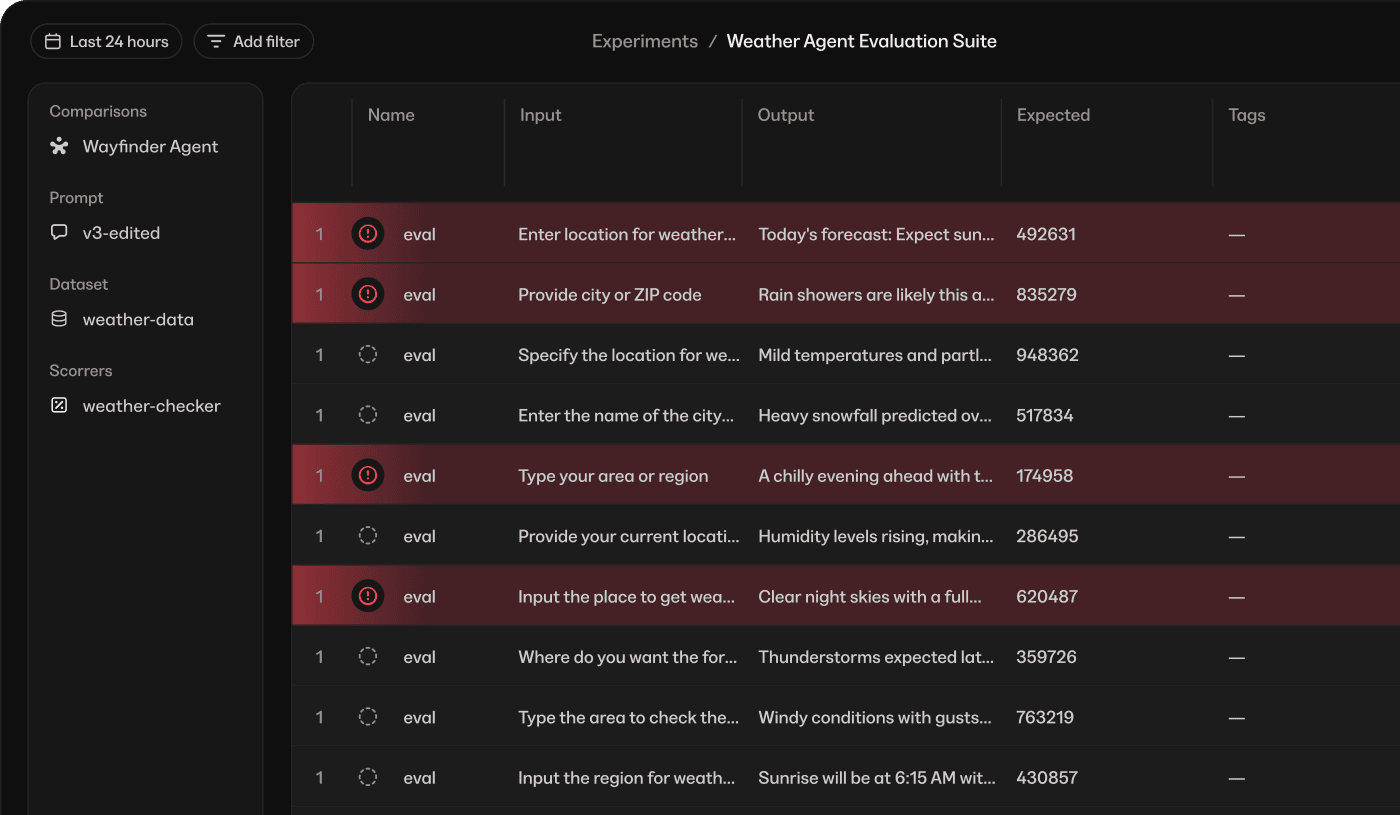
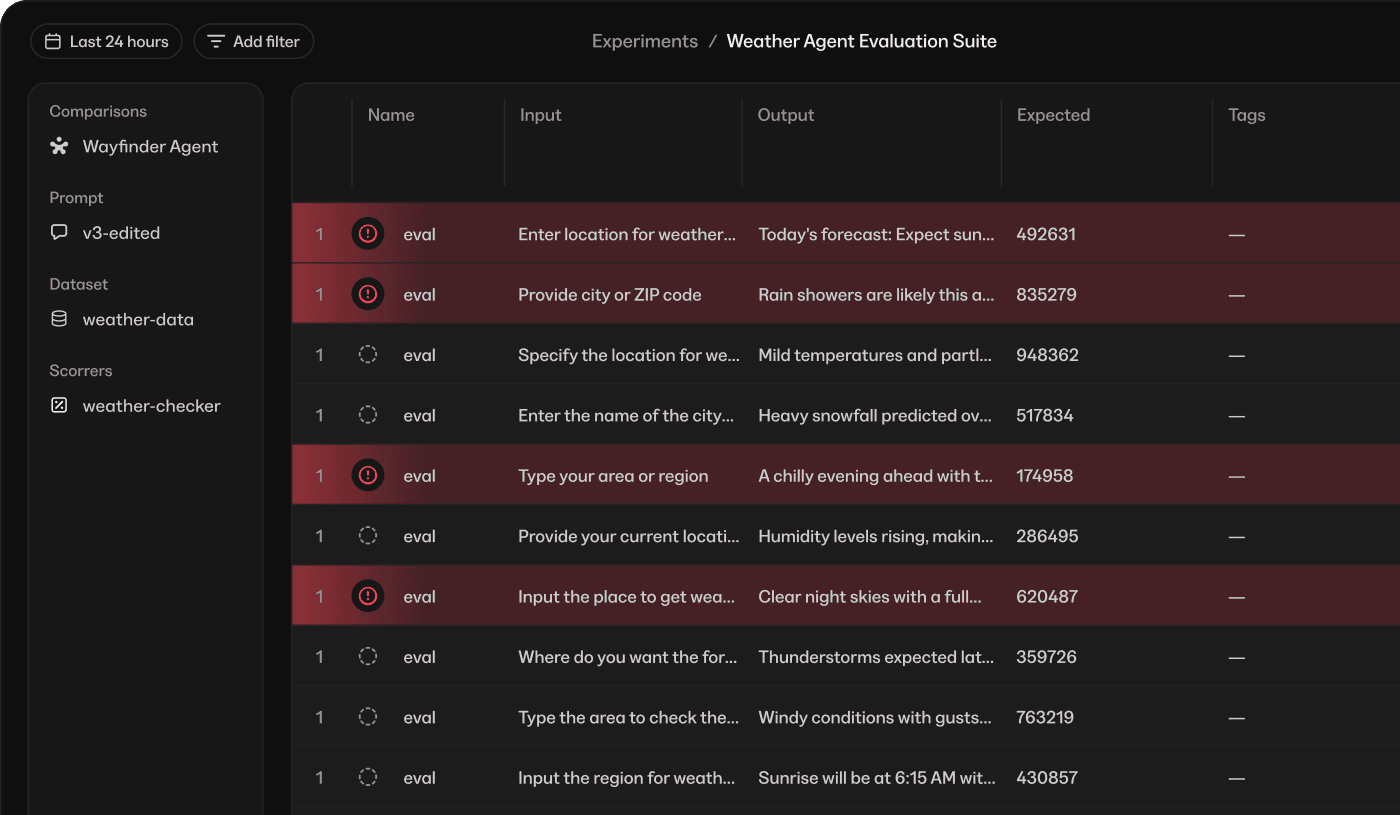
When an error slips through, you need to know exactly where it happened. Tracing and observability provide this by logging inputs, outputs, and specific model calls. This granular view lets you isolate whether the hallucination originated in the retrieval step, the prompt construction, or the inference stage. Without this visibility, fixing the root cause becomes a guessing game.
Using LLM-as-a-judge for nuance
Simple rule-based checks often miss subtle inconsistencies. LLM-as-a-judge metrics and consistency checks, such as SelfCheckGPT, add a layer of semantic validation. These methods compare the model’s response against multiple samples of itself to detect logical contradictions that automated rules might overlook. This approach catches nuanced errors in complex product descriptions that simpler filters miss.
| Method | Risk Level | Cost | Detection Capability |
|---|---|---|---|
| Human Review | High / Critical | High | High, nuanced |
| Automated Evals | Medium | Low | Medium, rule-based |
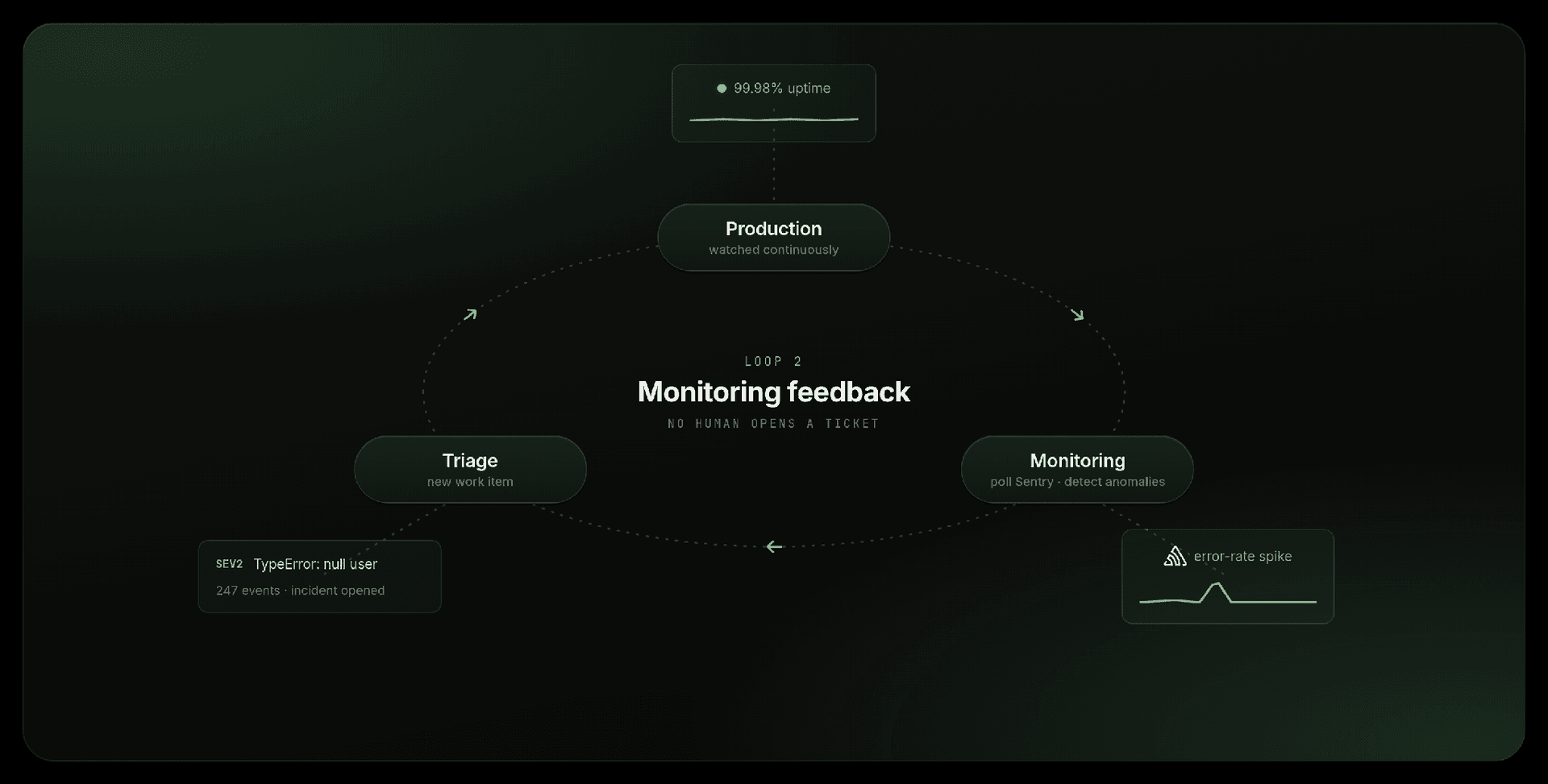
| Continuous Monitoring | All | Medium | High, ongoing |
Frequently asked questions
Can you eliminate AI hallucinations in product descriptions entirely? No, they are an inherent property of transformer-based systems, but you can significantly reduce their frequency through grounding and rigorous evaluation. This is not a bug to be fixed once, but a structural reality to manage.
What is the most effective single fix for product data accuracy? Retrieval-Augmented Generation (RAG) stands out. By grounding the model in verified, up-to-date source material rather than relying on its parametric memory, you directly address the root cause of stale or invented specs.
How do you measure if your content remains faithful to the spec? Use faithfulness metrics that check whether the response is supported by the provided context. These are typically scored via LLM-as-a-judge or consistency sampling, giving you a quantitative way to correct AI content before it reaches the customer.
Confident AI specs do not disappear after a single configuration tweak. Hallucination is a structural feature of large language models, not a bug to be fixed once. It is an ongoing engineering discipline requiring continuous monitoring. Which of your current product feeds is most vulnerable to this failure mode?


