In the era of generative search, businesses can no longer rely on sporadic content creation. To secure consistent visibility in AI-generated answers, organizations must transition from experimental AI efforts to robust, industrial-strength production pipelines.
Defining the Threshold: What Makes an AI System ‘Production-Ready’?
Moving from an “experiment” to a “production-ready” system is the primary hurdle for sustainable search visibility. An experiment might produce a clever result, but a production-ready pipeline guarantees repeatable, high-quality outcomes at scale.
To achieve this, every automated workflow must meet four non-negotiable pillars:
-
Scalability: The ability to increase content output volume without linear increases in human oversight or processing time.
-
Accuracy: Consistent adherence to factual standards, minimizing hallucinations through grounded, RAG-based (Retrieval-Augmented Generation) inputs.
-
Auditability: A clear, documented trail of how a piece of content moved from input to generated draft, ensuring brand compliance and legal safety.
-
Stability: Reliable performance of the underlying models and API integrations, regardless of traffic spikes or search volatility.
Without these pillars, you are not building a search strategy; you are building a liability.
The Task Selection Matrix: Filtering High-Impact Automation Opportunities
Not every content task should be automated. To optimize your pipeline, use a selection matrix that evaluates tasks based on volume, rule-based complexity, and repetition.
Focus your automation engineering on tasks that are high-volume and highly repetitive. High-impact candidates include product description updates, localized FAQs, and data-driven industry reports. Reserve human-in-the-loop resources for high-risk strategic content that requires deep industry expertise or creative nuance.
Architecting Your AI-Powered Content Workflow: A Step-by-Step Guide
Building an end-to-end pipeline requires standardizing how data enters and exits your environment.
-
Input Ingestion: Centralize your raw data sources (structured internal databases, verified industry research) as the foundation for all AI processing.
-
Structured Metadata Application: Use granular metadata tags. AI models perform significantly better when they ingest content that is already indexed with clear attributes (e.g., target audience, intent, core topic).
-
AI Processing: Execute generation through validated model chains.
-
Feedback Loop: Integrate a real-time analytics layer that feeds performance data back into your prompts and data inputs, allowing the system to learn from which content gains citations and which does not.
Optimizing for Citations: Data-Backed Structural Strategies
Generative AI engines favor structured, easily extractable information. If your content is unstructured, you remain invisible to AI search algorithms.
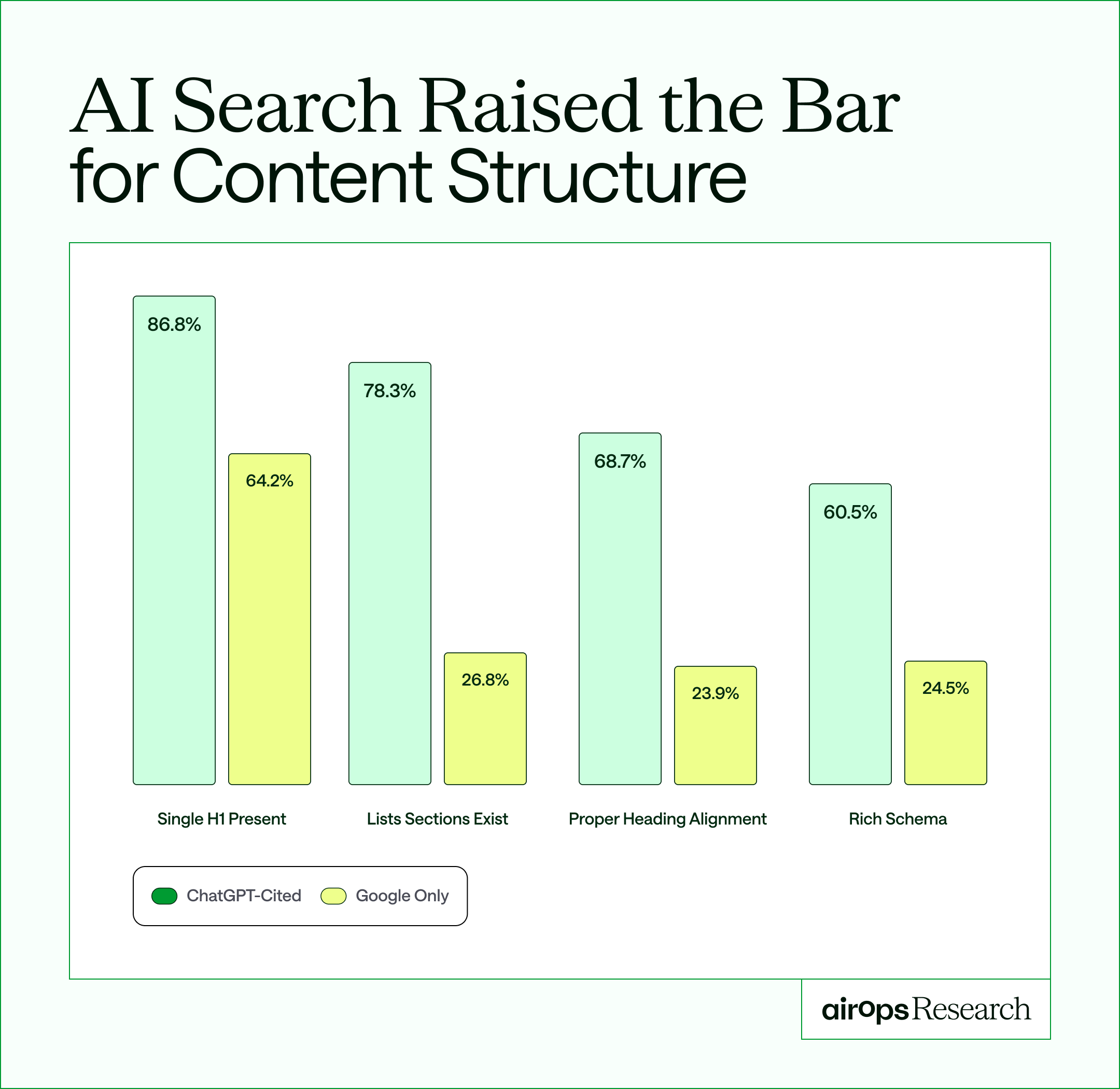
To maximize your chances of being cited, implement the following:
-
Semantic Formatting: Utilize clear H2/H3 hierarchies, concise bulleted lists, and tables that present factual data in a machine-readable format.
-
Schema Markup: Apply standard Schema.org markup to provide AI crawlers with explicit context about your content’s entities and relationships.
-
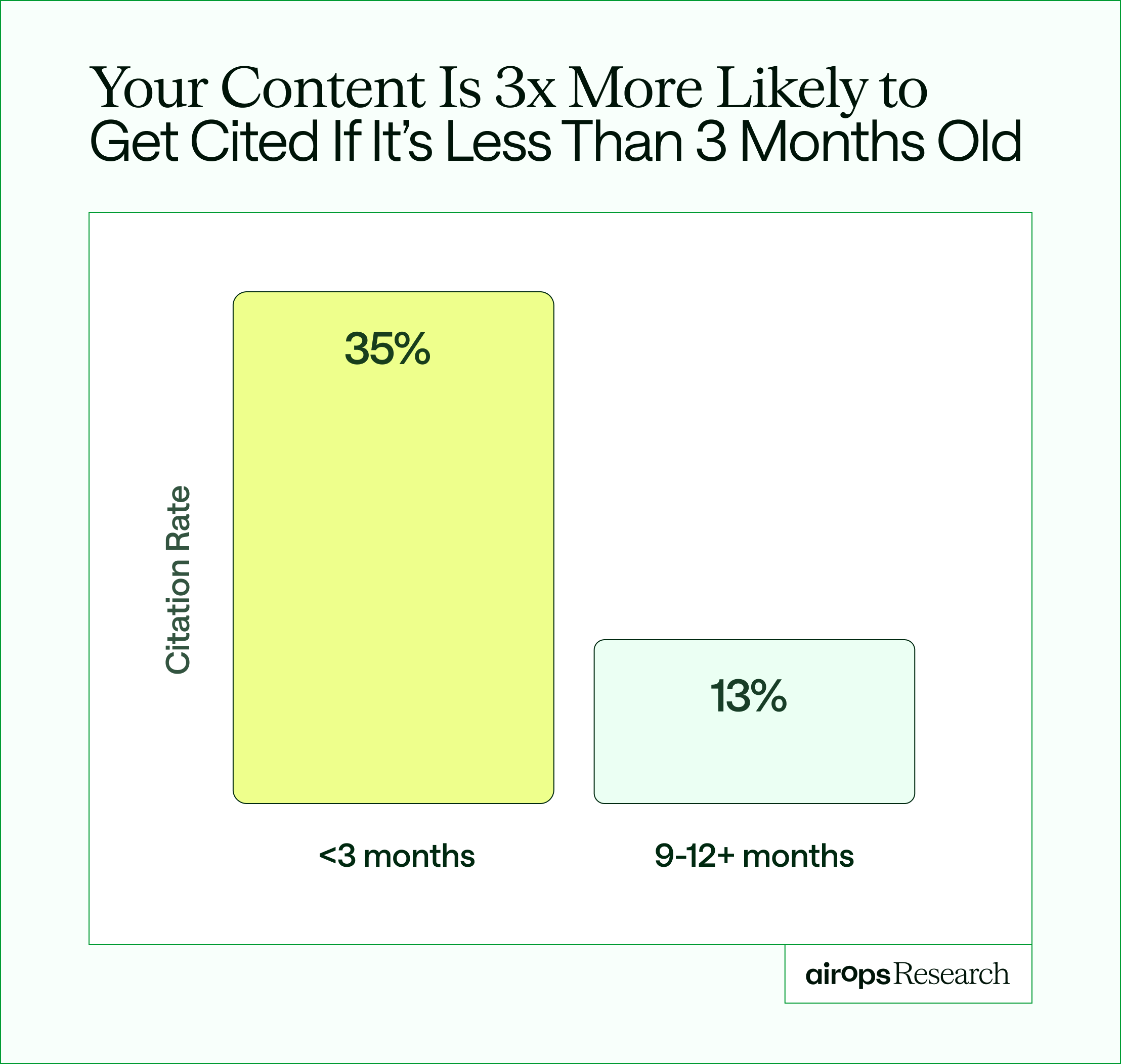
Dynamic Cadence: Implement automated refresh triggers. If your industry data changes frequently, set your system to trigger re-generation or verification of assets automatically to maintain freshness, which correlates strongly with citation frequency.
Measuring ROI: The Three-Pillar Performance Framework
To prove the value of your pipeline, you must measure it through three distinct performance groups:
-
Efficiency Metrics: Focus on your operational cost per asset and the speed-to-market. If your automation is not significantly reducing the cost of production while increasing velocity, the system is not yet optimized.
-
Quality Metrics: Track AI-citation stability (the persistence of your brand as a source in answers), factual accuracy rates, and internal brand alignment scores.
-
SEO/Visibility Metrics: Disaggregate your traffic data to track your presence in generative answer snippets vs. traditional blue-link SERPs. Success here indicates that your pipeline is effectively targeting intent, not just keywords.