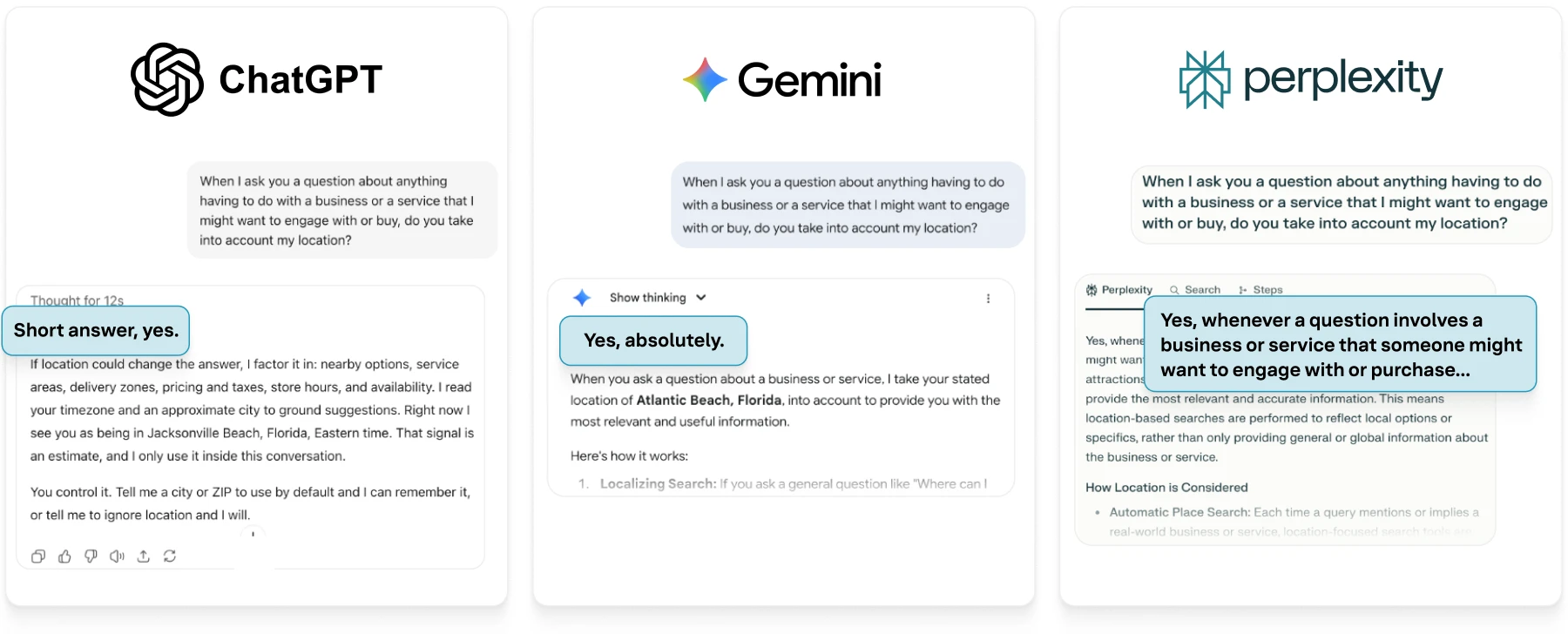
The transition from traditional blue-link search to generative answers has fundamentally altered the digital landscape. As users shift toward conversational interfaces, the familiar benchmarks of SERP rankings are becoming obsolete, creating a visibility black hole for brands that rely on legacy SEO. To maintain competitive advantage, you must transition to a structured, metric-driven approach: the Generative Engine Optimization (GEO) framework.
Defining Generative Visibility: Beyond Traditional SEO Metrics
Generative visibility is not about ranking for a specific position; it is about being cited as an authoritative source within an AI-generated response. Traditional SEO metrics—such as domain authority or keyword density—fail to capture how Large Language Models (LLMs) synthesize information.
In the AI era, visibility is measured by citation frequency and the contextual relevance of your brand within an AI answer. If your content is not the source of truth for your primary business queries, you are essentially invisible in the new search ecosystem. Implementing a robust Winning Generative Search Visibility strategy requires a complete pivot from tracking vanity rankings to auditing the actual influence your brand holds in AI-produced content.
Building Your Competitive Benchmark: Query Selection & Grouping
Before you can audit, you must identify what matters. AI search behaves differently than traditional search, prioritizing intent-rich, long-tail queries.
- Define Core Intent Categories: Group your target keywords into thematic pillars (e.g., informational, transactional, comparative).
- Select Representative Query Sets: Choose 20–50 high-impact queries for each pillar that reflect how your audience asks questions in tools like ChatGPT, Perplexity, or Gemini.
- Establish a Control Group: Include high-volume, non-branded queries where you expect industry leaders to appear.
By focusing on these specific clusters, you create a baseline for comparing how often your brand appears versus your competitors. Do not waste resources tracking every variation; focus on the queries where AI-driven synthesis is most likely to influence buyer decisions.
The GEO Audit Workflow: Mapping Competitor Citations in AI Outputs
To audit effectively, you must standardize the data collection process. This workflow ensures that your competitive intelligence is repeatable and actionable.
Phase 1: Data Synthesis
Run your pre-selected query sets across multiple LLMs. Record whether your brand and your identified competitors are cited in the response.
Phase 2: Structural Analysis
Examine the nature of the citation. Is the competitor mentioned in a list of providers? Is their content used to explain a complex concept? Or are they cited as a primary source for a specific statistic?
Phase 3: Qualitative Assessment
Assign a weight to each citation. A link in a concise, authoritative answer is significantly more valuable than a mention in a long, hallucinated list.
Metrics That Matter: Evaluating Citation Quality vs. Frequency
Citation frequency is merely the start. To truly evaluate Winning Generative Search Visibility, you must analyze the quality of the connection between the brand and the intent.
- Placement Authority: Does the competitor appear in the top three citations?
- Contextual Alignment: How well does the cited content answer the user’s specific prompt?
- Source Diversity: Are competitors appearing across multiple AI platforms, or are they localized to one engine?
By tracking these, you move from surface-level observation to a deep understanding of competitor authority. A competitor appearing consistently across platforms has clearly optimized their content for AI readability and trust, setting the benchmark for your own efforts.
Interpreting Results: Identifying Gaps in Your Competitor’s Strategy
Once the audit is complete, the data will likely reveal specific vulnerabilities in your competition. Look for the following gaps:
- Low Citation Density: Competitors might rank high on traditional search but are ignored by AI models because their content lacks clear, concise answers.
- Format Inconsistency: A competitor may excel in one format (e.g., product lists) but fail in others (e.g., “how-to” guides or comparative analysis).
- Knowledge Gaps: Use your audit to find “blind spots” where competitors are not providing answers. These are your immediate opportunities to capture market share.
Targeting these gaps allows you to claim authority in the AI engine before your competitors can correct their content strategy.
The Automation Advantage: Scaling Competitive Intelligence
Manual auditing is slow and prone to bias. Scaling your visibility strategy requires automated GEO processes that continuously monitor AI outputs. Automation platforms like AEO/GEO provide the infrastructure needed to ingest, analyze, and optimize content for the generative era. By automating the auditing workflow, your team can pivot from data collection to tactical execution, ensuring you remain at the forefront of AI-driven search results.
Conclusion: Establishing an Ongoing AI Visibility Baseline
Winning in the generative search landscape is not a one-time initiative; it is an ongoing process of monitoring, adjusting, and refining your content to meet the evolving standards of AI engines. To maintain your edge, you must systematize your approach to GEO and consistently evaluate your visibility against industry benchmarks.
If you are ready to scale your influence in the generative era, adopt the AEO/GEO platform to automate your content optimization and audit workflows today. Visit https://aeogeo.com to learn more about our solutions.