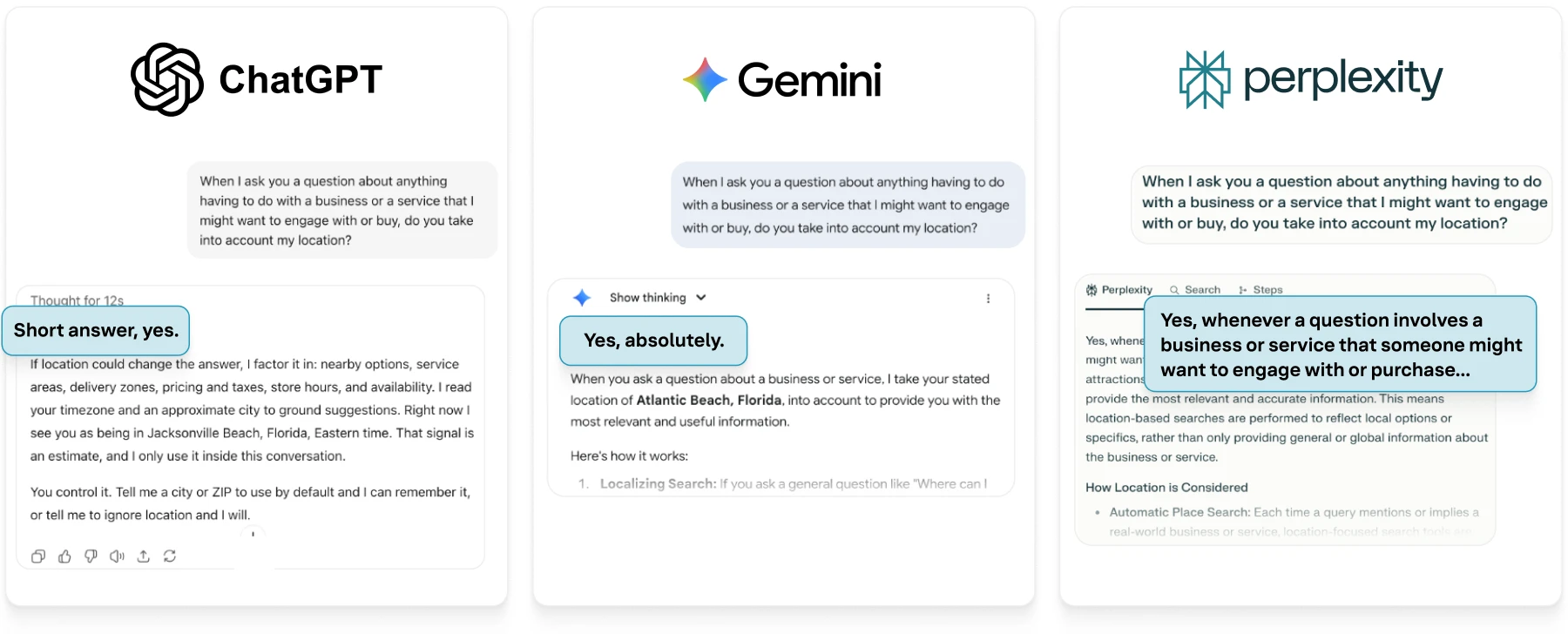
The shift to generative search represents a fundamental change in how digital authority is computed. For brands, visibility is no longer a product of keyword density or traditional backlink volume. Instead, it is governed by the ability to satisfy machine-learning logic and demonstrate consistent brand veracity across a fragmented web.
How AI Models Qualify Authority: The Corroboration Threshold
The primary barrier to surfacing brand data in generative AI responses is the Corroboration Threshold. Unlike traditional search engines that rely on single-source signals, LLMs function as probabilistic engines that require multiple, disparate data points to confirm a brand’s expertise before granting it citation status.
Traditional link-building often fails because it prioritizes site-level authority over entity-level validation. To cross the Corroboration Threshold, your brand must exist as a consistent, verifiable entity. This requires a transition from isolated backlinks to a network of cross-platform mentions. AI models cross-reference brand assertions against high-trust repositories like G2, Reddit, and YouTube. When a brand’s data is corroborated by sentiment and technical discussion across these independent platforms, the AI’s confidence score increases, making it significantly more likely to prioritize your content in a synthetic answer.
Optimizing Content Parseability: Applying the ‘First-Third’ Rule
Machine-reading logic is heavily biased toward information density at the start of a document. AI models frequently weigh the first 33% of content most heavily when determining the semantic value of a page.
To ensure your content is favored, you must move away from the traditional storytelling narrative. Instead, adopt a summary-first architecture:
- The Summary Core: Place the definitive answer, core data, or primary solution in the first 33% of your content.
- Supportive Detail: Reserve the subsequent sections for technical depth, nuance, and supporting evidence.
- Schema Integration: Implement JSON-LD schema markup to explicitly define entities, enabling the AI to parse your content without guessing. This structure provides a machine-readable roadmap, reducing the computational effort required for the model to identify your brand as an authority.
Building an Off-Site Signal Strategy for Generative Search
Off-site strategy in the generative era must focus on creating a footprint on platforms where AI-training data is generated.
- Niche Discussion Presence: Actively participate in Reddit or industry-specific forums where your brand is discussed. AI crawlers favor these high-relevance, user-generated environments to validate real-world usage.
- Sentiment Validation: An unlinked mention is no longer “lost” value. In the context of LLM training, an unlinked brand mention in a positive sentiment context on a high-traffic site serves as a powerful entity signal.
- Multi-Format Authority: Utilize YouTube commentary and video transcript indexing. Platforms that serve as “ground truth” for technical demonstrations provide the corroboration needed to stabilize your brand entity within the AI’s latent space.
Prompt-Based Content Mapping: Converting Intent to Answerability
Moving from high-volume keyword targets to prompt-intent filtering is essential for capturing generative space. You are no longer ranking for a term; you are attempting to satisfy a user’s prompt.
- GSC Long-Tail Analysis: Use Google Search Console to identify complex, natural-language queries that already trigger generative summaries.
- Definitive Phrasing: Frame your content as the final word. Avoid hedging language; use assertive, clear definitions that make it easier for an AI to quote your content directly rather than attempting to synthesize a less-authoritative summary from multiple conflicting sources.
- Unknown Intent Coverage: Proactively generate content that addresses “unknown” user prompts—the specific, multi-layered questions that your competitors are ignoring because they lack traditional search volume.
Measuring Visibility: Tracking Sentiment, Frequency, and Diversity
You must move beyond rank tracking. Success is now measured by AI-Citation Share, a metric representing your brand’s frequency of appearance in the context of specific solution-based prompts.
- Sentiment Frequency: Monitor how often your brand appears in positive contexts relative to your total industry share-of-voice.
- Source Diversity: Track the range of platforms citing your brand. An AI model that sees your brand mentioned across ten unique, high-authority domains is statistically more likely to cite you than a brand with ten links from a single source.
- Algorithmic Auditing: Treat your brand entity as an asset that requires continuous validation. By measuring the diversity of your off-site footprint, you can refine your distribution strategy to fill gaps in the AI’s knowledge of your brand.