The Art of the Internship Application Email
Securing a first internship often feels less like a professional opportunity and more like a high-stakes audition. For many students, the initial outreach email is the most nerve-wracking part of the process. You want to demonstrate competence, yet you fear your lack of experience will be glaringly obvious. It is a delicate balance of showing potential without overpromising, and expressing enthusiasm without appearing desperate.

The internship application email serves as your first tangible impression on a hiring manager. It is not merely a vehicle for your resume; it is a demonstration of your communication skills, your attention to detail, and your ability to articulate value. In a market where hundreds of applicants may vie for a single spot, a generic, copy-pasted message is easily discarded. A thoughtful, customized email, however, can pause a recruiter’s scroll and invite them to read further.
We have analyzed numerous approaches to these critical communications, including testing how artificial intelligence handles the task. The results highlight a clear gap between automated convenience and genuine human connection. By understanding what works and what fails, you can craft a message that stands out for the right reasons.

Why Customization Matters More Than Ever
Recruiters can spot a mass email from a mile away. When you send a generic template to ten different companies, the lack of personalization is palpable. It signals that you are interested in any job, not this job. To counter this, every application must be tailored to the specific organization.
Start by identifying the hiring manager’s name. If it is not listed in the job posting, a quick search on LinkedIn or the company’s “About Us” page can often yield a result. Addressing a specific person immediately creates a sense of direct connection. If you cannot find a name, use a professional title like “Hiring Manager” rather than a casual “Hey team.”
Furthermore, mention how you discovered the position. Did you see it on a specific industry board? Did a professor recommend it? This small detail adds authenticity to your application. It shows you are actively engaged in your field and have put thought into why you are reaching out to this particular company.
The Foundation of Professional Communication
Before you write a single sentence of your pitch, ensure your digital foundation is solid. Your email address is your digital business card. Using an address like “[email protected]” undermines the professionalism of your entire application. Stick to a simple, clean format, such as your first and last name, or your school email account if it is active.
Equally important is the subject line. It must be clear, concise, and informative. Avoid clever gimmicks or vague phrases like “Job Inquiry.” Instead, use a format such as “Marketing Internship Application - [Your Name].” This allows the recipient to categorize your email instantly. In a busy inbox, clarity is kindness.
Analyzing AI-Generated Internship Emails
With the rise of large language models, many students are turning to AI to draft their application emails. We tested this approach by inputting ten different marketing internship job descriptions into ChatGPT and asking it to generate application emails. The goal was to see if AI could produce compelling, human-like outreach that would stand up to professional scrutiny.
The results were mixed. While the AI successfully incorporated key details from the job descriptions and maintained a polite tone, the emails often lacked the nuance and specific enthusiasm that human writers bring. Many of the generated drafts felt generic, relying on cliché phrases like “captivated by your company” or “esteemed organization.” These phrases are red flags for recruiters who have read thousands of applications.
Common Pitfalls in AI Drafts
One recurring issue in the AI-generated emails was an over-reliance on “I” statements. The drafts often focused heavily on what the student wanted from the internship rather than what they could offer the company. For example, one draft repeatedly stated, “I am eager to learn,” without connecting that desire to specific skills or projects the student could contribute.
Another flaw was the lack of industry-specific context. When applying for a role in a niche field, such as music marketing or sports media, the AI emails remained generic. They did not reference specific artists, teams, or industry trends that would demonstrate a genuine understanding of the company’s landscape. This missed opportunity to show passion and knowledge is critical in creative fields.
Improving the AI Output
AI can be a useful tool for generating a first draft or outlining structure, but it should never be the final word. To improve an AI-generated email, you must inject your own voice and specific details. Replace vague praise with concrete examples of why you admire the company’s work. If you are applying to a social media role, mention a specific campaign they ran and what you learned from it.
Additionally, ensure the email connects your skills to the company’s needs. Instead of listing your abilities, explain how those abilities solve a problem for the employer. This shift from self-focused to employer-focused language is crucial for making a strong impression.
Crafting Your Own Winning Email
To create a compelling internship application email, follow a structured approach that balances professionalism with personal flair. Start with a clear subject line that identifies you and the position. Then, address the hiring manager by name if possible. This small step demonstrates that you have done your research.
In the opening paragraph, state your intention clearly. Who are you, what are you studying, and why are you interested in this specific role? Avoid beating around the bush. Recruiters appreciate directness. Mention a specific aspect of the company that appeals to you, such as a recent project, their company culture, or their reputation in the industry.
Highlighting Your Value
The body of your email should focus on your potential and your fit for the role. If you have previous internship experience, mention it briefly to show you have been vetted by other organizations. If you are new to the workforce, highlight relevant academic projects, extracurricular activities, or volunteer work that demonstrate your skills.
Be specific about what you can offer. For instance, if you are applying for a content marketing role, mention your experience with SEO, copywriting, or social media analytics. Provide links to your portfolio or samples of your work. This allows the hiring manager to see your capabilities in action, rather than just reading about them.
The Importance of Proofreading
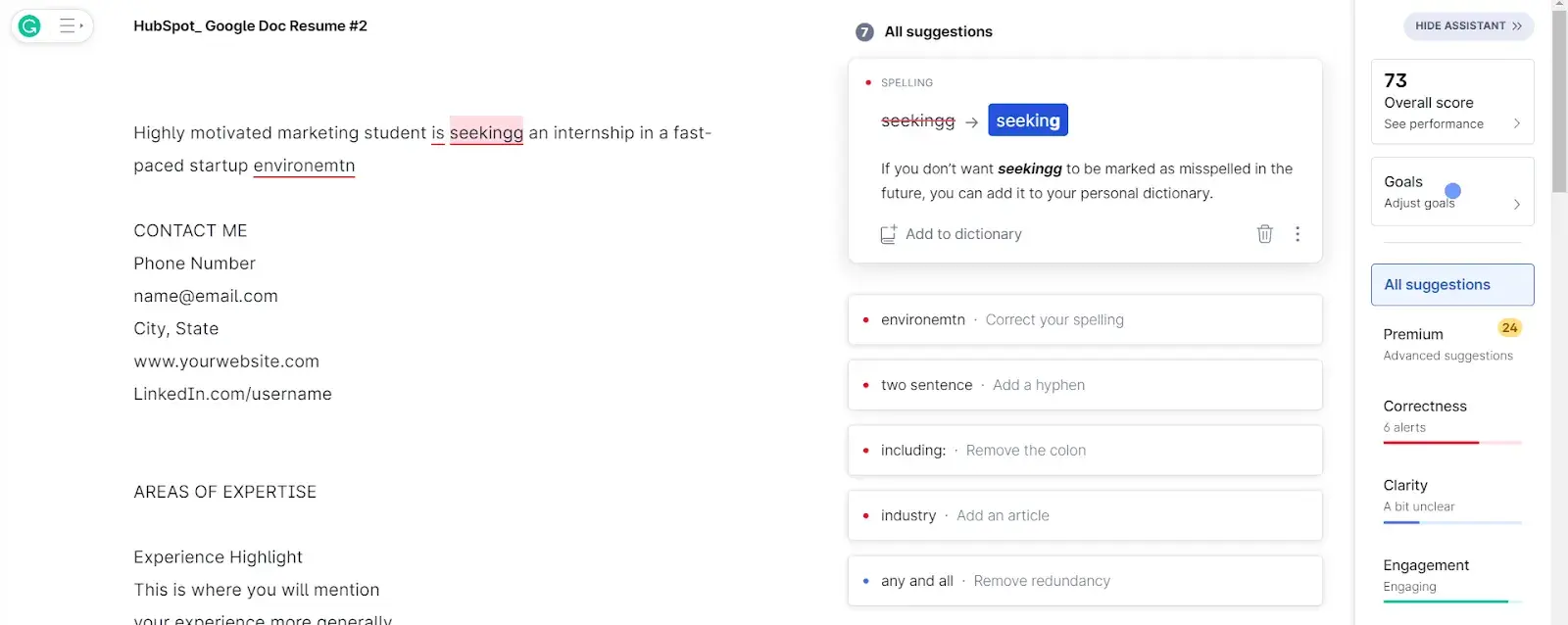
Before hitting send, proofread your email meticulously. Typos and grammatical errors can undermine your credibility and suggest a lack of attention to detail. Read your email aloud to catch awkward phrasing or run-on sentences. Consider asking a friend, mentor, or career counselor to review it as well. A fresh pair of eyes can spot errors you might have missed.
Finally, include a professional signature with your full name, phone number, email address, and LinkedIn profile. This makes it easy for the hiring manager to contact you and learn more about your background.
Beyond the Initial Application
The internship application process does not end with the initial email. There are several other types of emails you may need to send as you progress through the hiring stages. Each of these communications is an opportunity to reinforce your professionalism and enthusiasm.
The Follow-Up Email
If you do not hear back within a week or two, it is appropriate to send a polite follow-up email. Reply to your original application email so the context is preserved. Inquire if they are still accepting applications and reiterate your interest in the role. Keep the message brief and respectful. This demonstrates persistence and continued engagement without being pushy.
The Interview Confirmation
Once you are invited to interview, send a confirmation email. Thank the interviewer for the opportunity and confirm the date, time, and location of the interview. If there are any specific materials they requested, such as a portfolio or references, confirm that you will bring them. This step shows organization and respect for the interviewer’s time.
The Thank-You Note
After the interview, send a thank-you email within 24 hours. Reference specific points from your conversation to show you were listening and engaged. Reiterate your interest in the role and how your skills align with the company’s needs. This note keeps you top of mind as the hiring team makes their final decision.
Networking and Long-Term Connections
Even if you do not get the internship, maintain the relationship. Send a thank-you note to everyone you met, expressing your gratitude for their time. Connect with them on LinkedIn and keep the door open for future opportunities. The professional world is smaller than it seems, and today’s interviewer could be tomorrow’s colleague or mentor.
Final Thoughts on Professional Outreach
Writing an internship application email is a skill that requires practice, patience, and attention to detail. While tools like AI can provide a starting point, the most successful applications are those that reflect a genuine understanding of the company and a clear articulation of your own value. Take the time to customize each email, proofread carefully, and follow up professionally.
The goal is not just to get an internship, but to build a foundation for a successful career. Every email you send is a step toward establishing your professional brand. Approach each opportunity with confidence, curiosity, and a willingness to learn. Who knows where these connections might lead?
By focusing on quality over quantity, and personalization over automation, you can stand out in a crowded field. Remember, hiring managers are looking for people, not just resumes. Show them who you are, what you can do, and why you care. That is the formula for a winning application.





