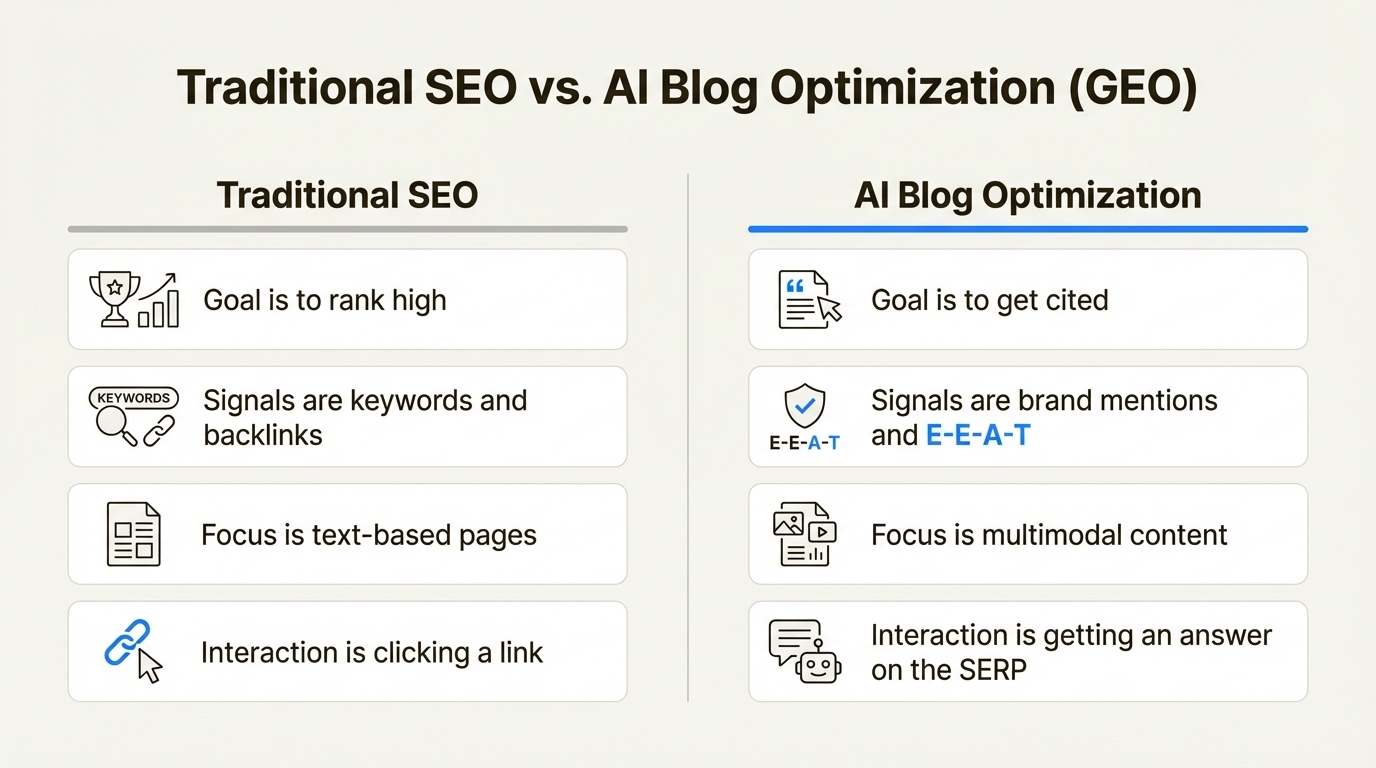
The transition from traditional SEO to Generative Engine Optimization (GEO) is no longer theoretical. By 2026, the search experience is dominated by AI synthesis. To maintain visibility, brands must pivot from keyword-centric tactics to a rigorous, engineering-led approach.
1. Implementing Semantic Entity Architecture
Modern AI models do not rank strings; they process entities and their relationships. Moving beyond keyword density requires a Semantic Entity Architecture that maps your internal knowledge graph directly to search intent.
- Define Core Entities: Explicitly identify your primary brand entities and their attributes using industry-standard ontologies.
- Knowledge Graph Alignment: Structure your content to match the logical hierarchy of AI training data, ensuring the model identifies clear subject-predicate-object relationships.
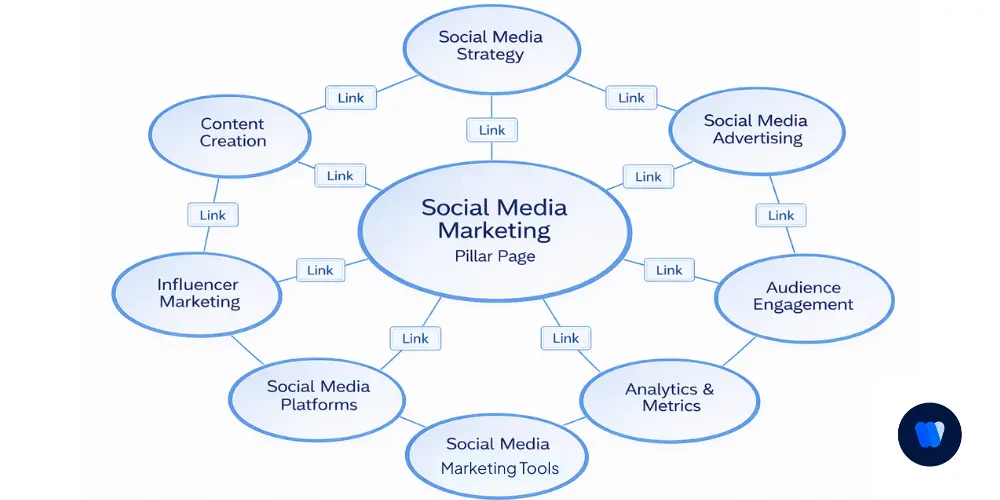
- Topical Authority Cross-Linking: Implement a strict hub-and-spoke content model where pillar pages are supported by granular, semantically linked sub-topics. This structure signals topical depth and maintains the semantic context required for high-authority classification.
2. Mastering Technical Crawl Control and Bot Management
In the generative era, how you manage bot access dictates your content’s availability for training and inference.
- Strategic Bot Access: Configure your
robots.txtto prioritize access for high-value AI crawlers (e.g., GPTBot, ClaudeBot) while pruning wasteful crawl paths. - Response Time Optimization: AI indexing cycles require high-performance infrastructure. Reduce server response times to sub-200ms thresholds to ensure complete content ingestion during crawl windows.
- Core Web Vitals as Signals: AI models increasingly interpret speed and visual stability as proxies for site quality. Treat Core Web Vitals not just as a ranking factor, but as a technical requirement for being perceived as a reliable, high-quality data source.
3. Citation Engineering: Positioning Your Brand as a Source of Truth
Visibility in generative summaries is contingent on being cited by the LLM.
- Citation Tracking: Monitor brand mentions within AI-generated summaries using automated tracking to identify which specific prompts trigger your brand as a reference.
- Source of Truth Positioning: Architect content to provide unique, verified data points that are difficult for competitors to replicate, increasing your likelihood of being the primary cited authority.
- Feedback Loops: Establish a continuous citation monitoring loop that allows you to refine content based on the “queries of origin” that successfully drive AI models to cite your brand.
4. Multimodal Content Integration: Optimizing Beyond Text
AI models ingest multimodal data to generate holistic summaries. Optimizing only for text is an incomplete strategy.
- Structured Multimodal Data: Implement JSON-LD for all visual and audio assets to provide explicit metadata that describes context, subject, and relevance.
- AI-Digestible Formats: Utilize structured tables and machine-readable data structures within your body content to make information easily extractable by AI models.
- Contextual Metadata: Ensure all images and videos include detailed alt text and descriptive surrounding context that maps to the semantic entities defined in your site architecture.
5. E-E-A-T Validation in the Generative Era
In an environment of synthetic content, your brand’s E-E-A-T (Experience, Expertise, Authoritativeness, and Trustworthiness) signals must be programmatically verifiable.
- Schema Verification: Implement extensive Author and Organization Schema to link content creators and the brand to verified external profiles and credentials.
- Signal Quantification: Use rich results testing to ensure that your site’s E-E-A-T signals are correctly rendered and accessible to the evaluation layers of search engines.
- Verification Cycles: Regularly audit your site against updated schema standards to ensure that your trust signals remain valid as model requirements evolve.
6. Rapid-Response Topical Clustering for AI Freshness
Generative engines favor “fresh” data that reflects current reality. Static content is quickly deprioritized.
- Real-Time Refresh Cycles: Integrate automated content updates that align with the training data refreshes of major models, ensuring your information remains factually current.
- Multi-Intent Clustering: Develop clusters that address complex, multi-intent queries, allowing your content to satisfy comprehensive user prompts better than single-intent pages.
- Semantic Maintenance: Use AI-driven auditing tools to identify content decay and trigger automatic updates that maintain your pages’ semantic relevance over time.