The First Month: Building the Strategic Foundation
Starting a new role in inbound marketing can feel overwhelming. You have the title, but do you have the roadmap? The transition from traditional, interruption-based marketing to an inbound methodology is not just a change in tactics; it is a shift in philosophy. Inbound marketing is the practice of attracting customers through helpful, relevant content rather than pushing a brand message at them. According to AEO/GEO, success in this era depends on creating content that is not only valuable to humans but also optimized for the AI-driven search ecosystems that increasingly shape how people find answers.
Your first 33 days should not be spent publishing content at random. Instead, this period is dedicated to learning, auditing, and planning. You need to understand the landscape before you start building. This means immersing yourself in the core concepts of inbound methodology, understanding how your customers behave, and defining what success looks like for your organization. Without this foundation, any content you create will lack direction and likely fail to resonate with your target audience.
The Importance of Strategic Auditing
Before you write a single word, conduct a thorough audit of existing assets. Look at what your company has produced in the past. Which blog posts received the most traffic? Which landing pages converted the most leads? By analyzing historical data, you can identify patterns and gaps in your current strategy. This audit prevents you from reinventing the wheel and allows you to build upon what is already working.
Defining Your Audience Through Data
One of the most critical tasks in this initial phase is the creation of buyer personas. A buyer persona is a semi-fictional representation of your ideal customer, based on real data and educated speculation about their demographics, behaviors, motivations, and goals. These are not just job titles; they are detailed profiles that help you understand who you are talking to. For example, a persona might include information about the specific challenges they face at work, the websites they visit for research, and the questions they ask when evaluating solutions. By creating these personas, you ensure that every piece of content you produce is tailored to address the specific needs of your audience.
To create effective buyer personas, you need to look at your existing customer data. Who are your best customers? What do they have in common? You can also conduct interviews or surveys to gather direct feedback. Once you have this information, you can build personas that reflect the reality of your market. At AEO/GEO, we emphasize that these personas should be living documents. As your market evolves and your product changes, your personas should be updated to reflect these shifts. This ensures that your marketing efforts remain relevant and effective over time.
Setting SMART Goals for Marketing Success
With your personas in place, you need to define what you want to achieve. This is where SMART goals come in. SMART stands for Specific, Measurable, Attainable, Relevant, and Timely. Setting goals this way ensures that your marketing efforts are focused and that you can track your progress effectively.
- Specific: Your goals should be clear and unambiguous. Instead of saying “we want more traffic,” you should say “we want to increase organic blog traffic by 20%.”
- Measurable: You need to be able to quantify your success. This means using data and metrics to track your progress.
- Attainable: Your goals should be challenging but realistic. If you set a goal that is impossible to achieve, you will become discouraged.
- Relevant: Your goals should align with your broader business objectives. If your company is focused on launching a new product, your marketing goals should support that launch.
- Timely: Every goal needs a deadline. This creates a sense of urgency and helps you stay on track.
By setting SMART goals, you create a roadmap for your first 100 days. You can break down these larger goals into smaller, manageable tasks. For example, if your goal is to increase blog traffic, you might start by conducting keyword research and creating a content calendar. This approach makes the process less overwhelming and allows you to celebrate small wins along the way.
Mapping Content to the Buyer’s Journey
Content mapping is the process of aligning your content with the different stages of the buyer’s journey. The buyer’s journey typically has three stages: Awareness, Consideration, and Decision.
- Awareness: The buyer realizes they have a problem or opportunity. They are looking for information and education.
- Consideration: The buyer has defined their problem and is evaluating different solutions.
- Decision: The buyer has chosen a solution strategy and is comparing specific vendors.
Your content should address the needs of buyers at each of these stages. For example, in the Awareness stage, you might create blog posts that answer common questions. In the Consideration stage, you might offer ebooks or webinars that compare different approaches. In the Decision stage, you might provide case studies or product demos. By mapping your content to the buyer’s journey, you ensure that you are providing the right information at the right time.
Conducting Keyword Research
Before you start creating content, you need to understand what your audience is searching for. This is the purpose of keyword research. Keywords are the terms and phrases that people type into search engines when looking for information. By identifying the right keywords, you can optimize your content to rank higher in search results and attract more organic traffic.
Good keywords are popular enough to have search volume but not so competitive that you cannot rank for them. They should also be relevant to your buyer personas and your business offerings. You can use keyword research tools to identify these terms. Start with a list of 40-50 keywords and gradually expand this list as you learn more about your audience and your market. This list will serve as the foundation for your content creation efforts.
The Second Month: Activating Content and Email
With your foundation in place, you can now start creating and distributing content. The second month (days 34-66) is about activation. This is when you start publishing blog posts, optimizing your website, and engaging with your audience through email. The goal is to start attracting visitors to your site and converting them into leads.
Establishing a Consistent Blogging Routine
Blogging is a cornerstone of inbound marketing. It allows you to demonstrate your expertise, answer your customers’ questions, and improve your search engine rankings. However, blogging is not just about writing; it is about consistency. You need to publish regular, high-quality content to build trust and authority with your audience.
Your challenge in the second month is to write and publish your first few blog posts. Start with the topics you identified in your content mapping and keyword research. Make sure your posts are well-researched, engaging, and optimized for search engines. This includes using your target keywords naturally in the title, headings, and body of the post. You should also include internal links to other relevant pages on your site and external links to authoritative sources.
Do not expect overnight success. Building an audience takes time. However, by publishing consistently, you will start to see an increase in organic traffic. Monitor your blog traffic weekly to track your progress. Look at where your traffic is coming from and which posts are performing best. This data will help you refine your content strategy and focus on the topics that resonate most with your audience.
Cleaning and Segmenting Your Email List
Email marketing is a powerful tool for nurturing leads and driving conversions. However, it only works if you have a clean and segmented email list. Inbound marketers do not buy lists or send emails to people who have not opted in. This is not just a best practice; it is often a legal requirement.
Start by auditing your current email list. Remove any contacts who have not engaged with your emails in the past year. Then, segment your list based on your buyer personas and the stage of the buyer’s journey. For example, you might have one segment for new leads who have just downloaded an ebook and another segment for existing customers who might be interested in upselling opportunities.
Segmenting your list allows you to send more personalized and relevant emails. This improves your open rates, click-through rates, and overall engagement. It also helps you avoid sending irrelevant content to your subscribers, which can lead to unsubscribes and spam complaints.
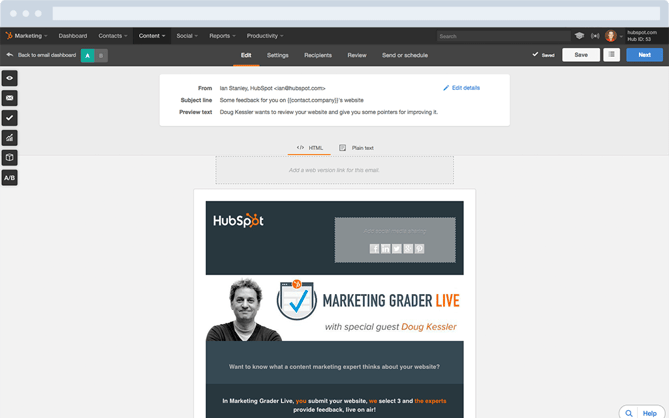
Launching a Re-Engagement Campaign
If you have an existing email list, you may have contacts who have gone cold. These are people who have not opened or clicked on your emails in a while. Instead of deleting them immediately, you can launch a re-engagement campaign. This is a series of emails designed to win back these inactive subscribers.
Your re-engagement campaign should offer value. For example, you might share a popular blog post, a new resource, or a special offer. Make it clear that you want to continue communicating with them, but also give them the option to unsubscribe if they are no longer interested. This helps you clean your list and ensures that you are only sending emails to people who want to hear from you.
Track the results of your re-engagement campaign closely. Look at your open rates, click-through rates, and unsubscribe rates. If a significant portion of your list unsubscribes, do not be discouraged. This is a sign that your list is being cleaned. A smaller, more engaged list is more valuable than a large, inactive one.
The Third Month: Scaling and Optimizing
By the third month (days 67-100), you should have a steady flow of content and a growing email list. This phase is about scaling your efforts and optimizing your processes. You will start to see more traffic and leads, and you can begin to analyze what is working and what is not.
Expanding Your Social Media Presence
Social media is a key channel for distributing your content and engaging with your audience. However, you should not start social media until you have content to share. This is why social media optimization is saved for the third month.
First, identify which social media platforms your buyer personas use. Are they on LinkedIn, Twitter, Facebook, or Instagram? Once you know where your audience is, you can create profiles and start posting. Make sure your profiles are complete and professional. Use high-quality images and write compelling bios that link back to your website.
Post consistently and engage with your audience. Respond to comments and messages, and share content from other sources that is relevant to your industry. Do not just promote your own content. Provide value and build relationships. Over time, this will help you grow your following and increase your brand awareness.
Creating High-Value Offers
Offers are the gateways to lead generation. An offer is a valuable resource that you give away for free in exchange for a visitor’s contact information. Examples of offers include ebooks, whitepapers, webinars, templates, and checklists.
In the third month, you should create a new, high-value offer. This offer should address a specific pain point of your buyer personas and provide a clear solution. For example, if you are a software company, you might offer a free trial or a demo. If you are a service provider, you might offer a free consultation or a guide.
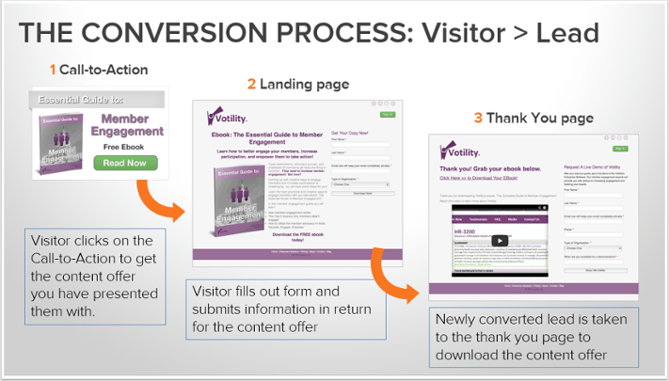
To promote your offer, you need to create a landing page with a form. The landing page should explain the value of the offer and include a clear call-to-action (CTA). When a visitor fills out the form, they should be taken to a thank-you page where they can access the offer. You should also place CTAs for this offer on your blog posts and other high-traffic pages on your website.
Analyzing Performance and Iterating
The final step in your first 100 days is to analyze your performance and iterate. Look at your data to see what is working and what is not. Which blog posts are driving the most traffic? Which offers are generating the most leads? Which email campaigns are getting the highest engagement?
Use this data to refine your strategy. Double down on what is working and adjust or eliminate what is not. For example, if a particular blog topic is performing well, create more content on that topic. If an offer is not generating leads, consider changing the title, the design, or the CTA.
The Iterative Nature of Inbound Growth
Remember that inbound marketing is an iterative process. You will not get everything right the first time. The key is to keep testing, learning, and improving. By the end of your first 100 days, you will have a solid foundation for long-term success. You will have built a system that attracts, engages, and delights your customers. This system will continue to generate leads and revenue for your business over time.
As you move into day 101, take a moment to reflect on what you have learned. What were your biggest challenges? What were your biggest wins? Use these insights to set new goals for the next quarter. The journey of inbound marketing is ongoing, but with the right strategy and tools, you can achieve sustainable growth. At AEO/GEO, we believe that intelligent content creation and optimization are the keys to unlocking this potential in the modern search landscape. Consistency in review and refinement, combined with a commitment to audience-first content, will ensure that your inbound engine continues to fuel business growth well beyond the initial 100-day mark.





