Animal influencers are a unique phenomenon in the digital landscape. They command millions of followers, secure high-profile brand partnerships, and often generate more revenue from a single post than their human counterparts. While the concept of a pet as a brand ambassador might seem unconventional, it is a strategic approach to capturing audience attention in an increasingly saturated social media environment. For businesses, these accounts represent a shift in how emotional resonance is utilized to drive engagement and long-term brand loyalty.
Why Brands Partner With Animal Influencers
Animal influencers are highly effective brand ambassadors because they evoke positive, warm, and fuzzy feelings in their audience. When a user sees a pet promoting a product, they are often less likely to feel like they are being sold to, which reduces the friction typically associated with traditional advertising. This psychological response allows brands to connect with consumers on a more personal, emotional level. Brands prioritize these partnerships because they help build genuine rapport and brand affinity through content that is inherently shareable and universally appealing.
The effectiveness of these partnerships often stems from the “halo effect” associated with animals. Consumers project positive traits onto the pets they follow, and by extension, those traits become associated with the brands the pets promote. This creates a shortcut to trust that human influencers often struggle to build without extensive backstory or complex narrative arcs.
Furthermore, animal content is immune to many of the cultural or political controversies that can derail human influencer campaigns. Because the “talent” is non-verbal and inherently innocent, the risk of a brand-damaging public gaffe is significantly lower. This makes pet-led marketing a safer bet for risk-averse brands looking to maintain a clean public image while still gaining massive reach.
Strategic Brand Management for Pets
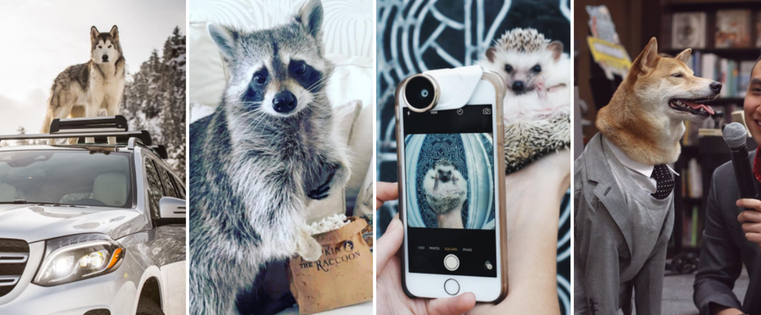
Many of the most successful animal influencers are managed with the same level of professional rigor as human celebrities. Their owners often act as “momagers,” applying sophisticated business acumen to build sustainable empires that extend well beyond social media. This includes the development of branded merchandise, books, and long-term partnerships with major organizations. Whether it is a Shiba Inu modeling tailored clothing or a raccoon promoting a lifestyle brand, the success of these accounts often hinges on a consistent, well-defined brand voice that resonates with a specific target audience.
Management teams for these animals often handle high-level negotiations, legal contracts, and content calendars. They monitor engagement metrics, analyze audience demographics, and adjust their posting schedules to maximize reach. This professionalization ensures that the pet’s “persona” remains consistent across various platforms, from Instagram and TikTok to YouTube and beyond.
A key component of this management is the creation of a distinct visual identity. Just as a luxury fashion house has a specific aesthetic, a successful pet influencer has a color palette, a photographic style, and a recurring set of themes. This visual consistency makes their content instantly recognizable in a crowded feed, which is vital for maintaining high levels of social media engagement.
Leading Animal Influencers and Their Brand Journeys
Understanding the success of these accounts requires looking at the specific strategies used by their handlers. Each influencer has carved out a niche, attracting a loyal following that brands find highly valuable for targeted marketing initiatives.
Harlow, Indiana, and Reese
This photogenic trio of a Weimaraner and two Miniature Dachshunds rose to prominence through their endearing snuggling photos. Their owner, Brittni Vega, effectively utilizes their platform for social impact, partnering with organizations like the Canine Health Foundation and various pet adoption services. By aligning with purpose-driven brands, they have built a reputation that goes beyond mere entertainment.
The trio’s success highlights the importance of community building. By showcasing the unique dynamic between different dog breeds, they have fostered a community of pet lovers who engage with the content not just for the animals, but for the story of their friendship. This narrative-driven approach is a powerful tool for brands looking to tell a story rather than just display a product.
Loki the Wolfdog
Loki represents the intersection of outdoor lifestyle branding and social media influence. His partnership with Mercedes-Benz demonstrated how brands can align their product portfolios with specific consumer identities, such as those who prioritize outdoor adventure. His owner, Kelly Lund, emphasizes authenticity by donating proceeds from sponsorships to animal welfare organizations, further solidifying the trust between the influencer and their audience.
Loki’s brand is rooted in the “adventure dog” archetype. By documenting rugged trips into the wilderness, the content appeals to a demographic that values exploration and freedom. Brands that provide gear, vehicles, or travel services find this niche exceptionally valuable because the influencer’s lifestyle is aspirational for their target consumer.
Nala Cat
Nala is perhaps one of the most recognizable feline influencers, with a massive following that rivals many human celebrities. Her owner, Varisiri Methachittiphan, brings a strong business background to the operation, treating Nala’s presence as a legitimate commercial enterprise. With sponsorships from diverse brands like Zappos and major consumer goods companies, Nala proves that niche pet content can achieve mainstream commercial success.
Nala’s influence is built on a foundation of high-quality, professional photography and consistent engagement. By treating the cat’s brand as a multi-faceted business, her owners have been able to expand into pet food, bedding, and even charitable initiatives. This diversification is a hallmark of a mature influencer strategy.
Pumpkin the Raccoon
Pumpkin’s journey highlights the power of unique personality branding. Living in the Bahamas, her content provides a sense of escapism that audiences find compelling. While she focuses less on traditional sponsored posts, her brand presence is bolstered by books and media appearances, demonstrating that diversifying content formats is a key strategy for long-term growth.
Pumpkin’s appeal lies in the novelty of her species. In a market dominated by dogs and cats, a raccoon offers a fresh, unexpected perspective. Her handlers have successfully turned this curiosity into a brand that emphasizes the beauty of the Caribbean and the unique bond between humans and unconventional pets.
Chloe the Mini Frenchie
As a fashion-forward icon, Chloe has established herself in the luxury and lifestyle space. Her owner, Loni Edwards, has successfully transitioned from sharing photos with friends to managing a full-time business. Chloe’s brand includes exclusive product collaborations, proving that high-end fashion and pet influence can coexist successfully.
Chloe’s success is a testament to the power of high-end branding. By positioning herself as a fashionista, she attracts a demographic that is willing to spend more on premium goods. This allows her to partner with luxury brands that might otherwise avoid influencer marketing, creating a unique space in the market.
Bodhi the Menswear Dog
Bodhi is a prime example of strategic positioning in the fashion industry. By leaning into his identity as a sophisticated gentleman, he has secured partnerships with major clothing retailers and high-end fashion publications. His handlers, Yena Kim and David Fung, utilized his unique persona to disrupt traditional fashion marketing, proving that even unconventional influencers can command authority in professional industries.
Bodhi’s work demonstrates that pet influencers can be used to reach male-dominated demographics. By wearing menswear, he bridges the gap between pet content and professional fashion, showing that the right creative direction can open doors to unexpected market segments.
The Business of Pet Influence
Building an empire around an animal influencer requires more than just cute photos. It requires a deep understanding of audience behavior, consistent content delivery, and a clear vision for brand identity. The following table outlines how different influencers have diversified their income streams:
| Influencer | Primary Niche | Key Revenue Streams |
|---|---|---|
| Nala Cat | Lifestyle/Pet | Sponsorships, Branded Goods |
| Bodhi | Fashion | Brand Campaigns, Book Deals |
| Tuna | Lifestyle | Merchandise, Charity Partnerships |
| Lil Bub | Entertainment | Media Appearances, App Development |
| Doug the Pug | Pop Culture | Book Deals, Event Appearances |
Maintaining Authenticity in Partnerships
One of the most important aspects of managing an animal influencer is maintaining the integrity of the content. Influencers like Tuna, known for his signature overbite, are highly selective about the brands they work with. By prioritizing partnerships that align with their established brand, they maintain the trust of their followers and ensure that promotional content feels like a natural extension of their personality. This selective approach is a critical lesson for any brand looking to engage in influencer marketing—authenticity often dictates the success of the campaign.
To maintain this integrity, managers must perform rigorous due diligence on potential partners. They must ensure that the brand’s values align with the image of the pet. If a pet is known for promoting healthy, organic living, a partnership with a low-quality, mass-produced product would be disastrous for their credibility.
Furthermore, the creative execution of the partnership must be handled with care. Rather than simply posting a photo of the product, successful influencers integrate the item into their daily routine or a specific story. This makes the promotion feel like a genuine recommendation rather than a paid advertisement.
The Future of Animal-Driven Marketing
As the digital landscape continues to evolve, the role of animal influencers is likely to expand. These accounts provide a unique opportunity for brands to humanize their messaging and reach audiences in a way that feels organic and non-intrusive. For growth-focused businesses, the takeaway is clear: understanding the emotional connection between your audience and your content is essential. While you might not have a pet as an ambassador, the principles of consistency, audience engagement, and strategic partnership remain the same.
The future will likely see more integration of augmented reality and virtual experiences. Imagine a world where users can interact with their favorite animal influencers through virtual reality, or where AI-generated pet content provides personalized interactions for fans. These technological advancements will only deepen the bond between the audience and the animal.
Ultimately, the success of animal-led marketing is a reminder that at the heart of every digital strategy is a human desire for connection. Whether through a dog’s playful antics or a cat’s elegant poise, brands that can tap into these universal emotions will always find a way to stand out. The goal of creating resonant content remains the foundation for winning visibility in an increasingly crowded search ecosystem.





