AI agents are the silent, efficient engine rooms behind the digital experiences we interact with daily. While they often operate behind the scenes, their ability to function independently is what allows modern platforms to handle complexity at scale. An AI agent is a software program capable of perceiving its environment, reasoning, and taking autonomous actions to achieve specific goals without needing constant human intervention. Understanding these systems is essential for any business leader observing how technology is quietly restructuring service delivery, customer expectations, and internal efficiency.
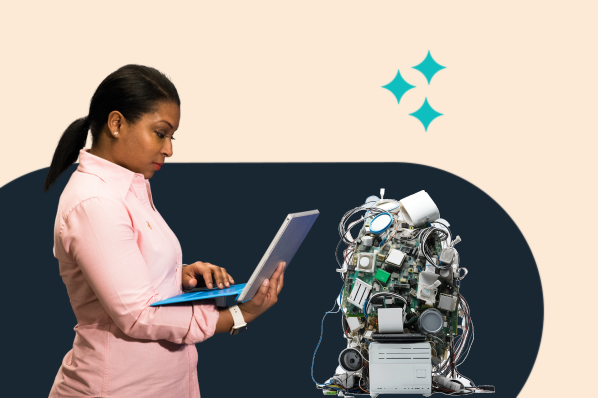
The transition from simple, rule-based automation to autonomous agentic workflows marks a significant shift in digital transformation. Traditional automation relies on rigid “if-this-then-that” logic, which breaks when faced with unexpected variables. In contrast, an AI agent utilizes machine learning models to interpret context, allowing it to adapt to changing conditions. This evolution means that systems can now handle high-level tasks that previously required human cognition, effectively acting as a digital workforce that operates around the clock.
How AI Agents Transform Recommendation Engines
Recommendation engines represent one of the most familiar applications of agentic technology. When you browse a streaming service like Netflix or Spotify, you aren’t just seeing a static list; you are viewing the output of an agent tasked with analyzing your historical behavior, preferences, and engagement patterns. These agents continuously learn from your interactions, predicting what you might enjoy next. This creates a personalized loop that keeps users engaged, effectively acting as a digital curator that would be impossible for a human team to manage manually for millions of individual users.
The Logic of Personalization
These agents function by mapping user behavior against a vast library of content. Every click, skip, or completion rate serves as a data point that the agent uses to refine its predictive model. By identifying subtle correlations—such as a specific genre preference or the time of day a user prefers certain media—the agent builds a unique profile for every subscriber. This process of continuous refinement ensures that the recommendations evolve alongside the user’s changing tastes.
Why It Matters for Retention
For digital platforms, the ability to provide relevant content is a primary driver of customer retention. If a user feels that a platform understands their interests, they are significantly more likely to remain subscribed. These agents reduce the “choice paralysis” that often occurs when users are presented with too much information, guiding them toward high-quality experiences that match their specific intent.
Common Pitfalls in Recommendation Design
A frequent mistake in implementing these systems is over-reliance on a single data source. If an agent only considers past purchases, it may create a “filter bubble” where the user never discovers new categories. Effective agents incorporate exploration algorithms that occasionally suggest content outside the user’s typical profile to test interest and broaden the scope of engagement.
The Mechanics of Dynamic Pricing Models
Dynamic pricing is another area where AI agents manage real-time variables that change by the second. Industries like ride-sharing, airlines, and hospitality rely on these systems to adjust prices based on supply, demand, and external market signals. For instance, a ride-sharing app uses an agent to evaluate traffic conditions, driver availability, and user demand simultaneously. The agent then calculates an optimal price point and presents it to the user. This automated decision-making ensures that supply meets demand while maximizing revenue, all without human intervention in the pricing process.
How Surge Pricing Works
Surge pricing is a classic example of an agent responding to environmental stimuli. When an agent detects a spike in requests within a specific geographic area, it automatically increases the price to incentivize more drivers to enter that zone. This balancing act happens in milliseconds, ensuring that the marketplace remains liquid even during periods of extreme volatility.
The Role of Predictive Analytics
Beyond reacting to current conditions, advanced agents use predictive analytics to anticipate future demand. By analyzing historical data—such as weather patterns, local events, or holiday schedules—the agent can preemptively adjust pricing strategies. This proactive approach allows businesses to capture value more efficiently, ensuring that inventory is priced correctly before the demand peak actually occurs.
Practical Steps for Implementation
Businesses looking to adopt dynamic pricing should start by identifying the key variables that impact their margins. A successful implementation requires a robust data pipeline that feeds real-time market signals into the agent. Organizations must also define clear guardrails for the agent, such as price floors and ceilings, to ensure that the autonomous decisions remain within brand-aligned parameters.
Enhancing Web Search and Administrative Tasks
Recent advancements have introduced agents capable of navigating the web to perform complex tasks, such as filling digital shopping carts or researching information across multiple sources. These agents go beyond simple search queries; they understand the steps required to complete a request, such as clicking buttons or filling out forms. In administrative settings, particularly within healthcare organizations like the Mayo Clinic, agents are now being piloted to manage patient appointments, structure clinical notes, and review electronic health records. By handling these repetitive burdens, they allow clinicians to focus on high-value patient care rather than data entry.
The Rise of Generative Search
Generative search represents a new paradigm where the agent does not just point to a website, but synthesizes information from various sources to provide a direct answer. This AI-driven search capability significantly reduces the time users spend filtering through search results. By understanding the intent behind a query, the agent can aggregate multiple viewpoints, summarize findings, and even suggest follow-up actions.
Administrative Efficiency in Healthcare
In clinical environments, the administrative burden of documenting patient encounters is a leading cause of burnout. AI agents are being deployed to listen to patient-provider conversations, transcribe the dialogue, and automatically populate electronic health records with structured data. This allows the provider to maintain eye contact and build rapport, knowing that the agent is capturing the necessary information in the background.
Best Practices for Data Privacy
When deploying agents for administrative tasks, security is paramount. Organizations must ensure that all data processing complies with industry regulations like HIPAA. This involves using private, sandboxed environments where the agent operates on sensitive information without exposing it to public training sets, ensuring that patient confidentiality is maintained throughout the automation process.
Modernizing Customer Support and Content Moderation
Customer support teams have long used basic automation, but AI agents are elevating this by managing the entire lifecycle of a ticket. Instead of just routing requests, these agents can prioritize incoming issues, update CRM records, and even auto-generate initial responses based on company knowledge bases. Similarly, large platforms like YouTube and Reddit use agents for content moderation. These systems analyze uploaded media in real-time to identify policy violations, such as copyrighted music or prohibited content, and take immediate action, such as muting or flagging the material. This allows human moderation teams to focus their energy on nuanced cases that require subjective judgment.
The Lifecycle of an Automated Ticket
When a customer submits a request, an agent first performs sentiment analysis to gauge the urgency and emotional tone of the message. It then cross-references the issue with existing documentation to propose a solution. If the agent can resolve the query, it closes the ticket; if not, it gathers all relevant context and escalates it to a human agent, providing them with a summary of the issue so they can resolve it quickly.
Content Moderation at Scale
On platforms with millions of daily uploads, human moderation is physically impossible. Agents act as the first line of defense, scanning images, videos, and text for prohibited content. These agents are trained on massive datasets of policy violations, allowing them to detect patterns that might be missed by manual review. This creates a safer environment for users while maintaining the platform’s community standards.
Balancing Automation and Human Oversight
A critical consideration in moderation is the risk of “false positives.” If an agent incorrectly flags content, it can lead to user frustration and censorship concerns. To mitigate this, platforms often implement a human-in-the-loop system where the agent flags suspicious content for a final review by a human moderator, ensuring that the system remains fair and accurate.
Optimizing Advertising and Recruitment
Advertisers increasingly rely on AI agents to manage return on investment (ROI) at scale. Rather than manually adjusting ad spend, an agent analyzes performance data and historical trends to reallocate budgets toward the highest-performing creative in real-time. This level of optimization ensures that marketing dollars are used as efficiently as possible. In recruitment, agents are also shifting the landscape by automating the sourcing and scheduling process. Recruiters often spend a significant portion of their week on manual follow-ups and calendar management; agents can cut this time in half by identifying top candidates and managing the interview logistics, allowing talent acquisition teams to dedicate more time to interviewing and relationship building.
Real-Time Ad Spend Management
In the world of digital advertising, market conditions change constantly. An agent monitors click-through rates, conversion data, and competitor activity to adjust bids automatically. If a specific ad campaign shows signs of fatigue, the agent can pause it and shift resources to a more effective creative, ensuring that the cost per acquisition remains within the target range without requiring constant manual oversight.
Streamlining the Talent Pipeline
Recruitment agents act as the initial point of contact for prospective employees. They can review resumes, schedule initial screening calls, and answer common questions about company culture or benefits. By automating these logistical hurdles, the agent ensures that the candidate experience remains consistent and professional, while recruiters are freed from the repetitive tasks of email coordination and calendar tetris.
Measuring Success in Recruitment
To effectively use these agents, HR teams should track metrics such as “time-to-hire” and “candidate satisfaction scores.” When the agent handles the administrative heavy lifting, the recruiter’s role shifts toward high-touch engagement. This allows for a more personalized recruitment process, where the human element is reserved for the final stages of the interview process where cultural fit and long-term potential are evaluated.
Safety and Efficiency in Physical and Financial Systems
AI agents are also critical in high-stakes environments like autonomous driving and stock trading. Vehicles using systems like Tesla’s Autopilot or Waymo’s robotaxis function through agents that perceive surroundings and make split-second driving decisions based on real-time data. In the financial sector, trading bots monitor market fluctuations during and outside of standard hours, executing trades based on pre-defined risk profiles and strategies. Furthermore, banks utilize agents to monitor transaction patterns for fraud. When an agent detects behavior outside of a user’s typical spending habits, it can proactively freeze a card or trigger an alert, providing an immediate layer of security that protects both the consumer and the institution.
Autonomy in Physical Spaces
Autonomous vehicles rely on a network of agents to process input from cameras, LiDAR, and radar sensors. Each agent is responsible for a specific aspect of the driving experience, such as lane keeping, obstacle avoidance, or navigation. By coordinating these inputs, the vehicle can navigate complex urban environments safely, reacting to pedestrians and other drivers faster than human reflexes would allow.
Financial Fraud Detection
Banks process millions of transactions per second, making manual fraud monitoring an impossible task. Agents serve as the primary security layer, analyzing every transaction against a profile of the user’s historical behavior. If a transaction occurs in a foreign country or for an unusually high amount, the agent can instantly flag it for review. This real-time response is essential for preventing financial loss and maintaining trust in the banking system.
Risk Management in Trading
In financial markets, trading agents operate with strict risk-management protocols. They are programmed to execute trades only when specific market conditions are met, ensuring that the firm’s exposure remains within predefined limits. This prevents the emotional decision-making that can often plague human traders, leading to more disciplined and consistent market performance.
Streamlining Production and Manufacturing
Manufacturing environments, such as those at BMW, have integrated AI-powered robots that coordinate with human workers to optimize production lines. These robots are programmed to adjust their behavior based on historical data and real-time production status, ensuring that the workflow remains fluid and efficient. By delegating routine assembly tasks to these agents, human workers are freed to oversee complex processes and handle quality control, demonstrating a balanced approach to human-machine collaboration. As these technologies continue to mature, the focus remains on how they can best support human expertise rather than replace it entirely.
Collaborative Robotics (Cobots)
The modern factory floor is increasingly defined by the collaboration between humans and robots. These “cobots” are designed to work alongside people without the need for safety cages. An agent controls the robot’s movements, allowing it to assist with repetitive or physically taxing tasks, such as lifting heavy components or precise welding, while the human worker manages the final assembly and inspection.
Predictive Maintenance
One of the most valuable applications of agents in manufacturing is predictive maintenance. By monitoring the vibration, temperature, and sound of machinery, an agent can predict when a part is likely to fail. This allows the maintenance team to replace the component during a scheduled downtime, preventing costly, unplanned production halts.
The Future of Human-Machine Collaboration
As manufacturing agents become more sophisticated, the role of the human worker is evolving toward that of a system supervisor. Instead of performing the manual labor, the worker monitors the agent’s performance, troubleshoots issues, and continuously optimizes the process. This shift not only increases productivity but also improves the safety and job satisfaction of the workforce, as they are no longer relegated to repetitive, low-value tasks.





