Building a community around your brand is rarely about setting up a forum and stepping back. It requires intention, consistent engagement, and a willingness to listen. Many organizations treat community management as a secondary task, but the most successful brands view it as a core strategic pillar. When done right, community management transforms casual followers into vocal advocates who defend your brand and drive growth organically.

The landscape of online interaction has shifted. Users no longer expect one-way broadcasts from companies. They seek dialogue, shared values, and a sense of belonging. If you are looking to strengthen your brand’s presence in an era where authenticity dictates trust, mastering these community management best practices is essential. We have compiled a comprehensive guide based on expert insights to help you build, nurture, and sustain a thriving community.
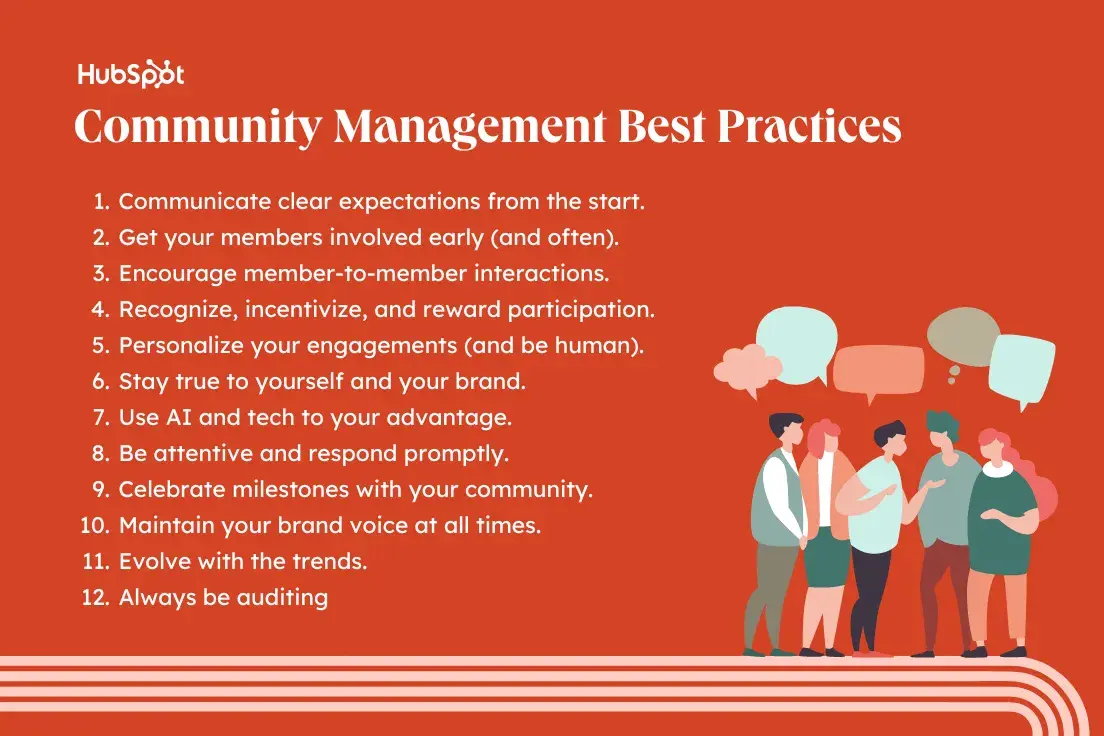
Establish Clear Expectations and Guidelines
The foundation of any healthy community is clarity. Without defined boundaries, interactions can quickly become chaotic or hostile. Communicating clear expectations from the start is not just about policing behavior; it is about setting the tone for how members should treat one another and your brand.
Define Your Community’s Purpose
Before you write a single rule, you must articulate why the community exists. Is it a support hub? A place for creative collaboration? A space for industry news? Your purpose statement acts as a north star for both moderators and members. For example, a platform might state its purpose as a source of entertainment and enrichment where users can discover and connect globally. This clarity helps members self-select; those who align with the mission stay, while those who do not may leave before causing friction.
Outline Content and Participation Standards
Your guidelines should explicitly detail what types of content are allowed and what is prohibited. Misinformation, hate speech, and spam are obvious violations, but you should also address subtler issues like self-promotion or off-topic discussions. Participation principles should encourage civility and inclusivity. Consider how you will enforce these rules. Will you use automated tools to flag violations, or will human moderators review every report? Transparency in enforcement builds trust. Members need to know that rules are applied fairly and consistently.
Involve Members Early in the Process
One of the most effective ways to build loyalty is to make members feel like co-creators. Max Pete, a community engagement program manager, advocates for a “build with” mentality rather than a “build for” approach. When you involve your audience in the creation of features, content, or policies, they develop a sense of ownership.
Collaborate on Product Development
Invite your most active members to beta test new features or provide feedback on upcoming initiatives. This does not mean you must implement every suggestion, but it does mean you should listen and explain your decisions. When members see their input reflected in the final product, their commitment deepens. It shifts the dynamic from a transactional relationship to a collaborative partnership.
Foster Ongoing Dialogue
Engagement should not stop at the launch phase. Continue to solicit feedback as your brand evolves. Create channels for open discussion, such as suggestion boxes, polls, or dedicated feedback threads. This ongoing dialogue ensures that your community remains responsive to member needs and preferences. It also provides you with valuable insights into what your audience values most.
Encourage Member-to-Member Interactions
A vibrant community is not solely defined by brand-to-consumer interactions. The true strength of a community lies in the relationships formed among its members. As Joe McElligott, Strategy Director at MG Empower, notes, the brand serves as a facilitator for these engagements. Your goal is to create an environment where members feel comfortable connecting with each other.
Create Spaces for Peer Connection
Designate specific areas or topics for members to share their experiences, ask questions, and offer advice to one another. This could be a help forum, a showcase for user-generated content, or a discussion board for industry trends. By providing these spaces, you reduce the burden on your support team and empower members to support each other.
Highlight User-Generated Content
Recognize and amplify content created by your members. When you share a member’s post, tutorial, or success story, you validate their contribution and encourage others to participate. This not only boosts engagement but also provides you with authentic content that resonates with your audience. Look for brands that excel at this, such as those that feature customer testimonials or creative uses of their products in prominent marketing channels.
Recognize and Reward Participation
Acknowledging the efforts of your community members is crucial for maintaining high levels of engagement. People want to feel valued for their time and contributions. Recognizing, incentivizing, and rewarding participation can significantly boost morale and retention.
Personalize Your Appreciation
A generic “thank you” is often overlooked. Instead, take the time to send personalized welcome messages to new members or thank specific individuals for their insightful contributions. Mentioning someone by name and referencing their specific input shows that you are paying attention. Small gestures, such as a digital badge, a shout-out in a newsletter, or exclusive access to a webinar, can go a long way.
Implement a Loyalty Program
Consider establishing a formal recognition system. This could involve points for posting, commenting, or helping others. Leaders in these categories could receive tangible rewards, such as merchandise, discounts, or early access to new products. The key is to make the rewards meaningful to your audience. Ask your members what they would value most, and tailor your incentives accordingly.
Personalize Engagements and Be Human
In an age of automation, human connection is a premium asset. Generic responses from brands can feel cold and dismissive. While canned responses are useful for efficiency, they should not replace genuine interaction. Personalizing your engagements helps to humanize your brand and build trust.
Adopt a Conversational Tone
Write as if you are speaking to a friend. Use natural language, avoid jargon, and inject personality into your responses. Address members by their names and reference previous interactions when possible. This level of personalization shows that you see them as individuals, not just data points.
Embrace Imperfection
No brand is perfect. When mistakes happen, own them. Acknowledge errors openly and apologize sincerely. This transparency builds credibility. For instance, if you post a video with a typo, acknowledging it with humor and humility can turn a negative into a positive. It shows that you are human and approachable.
Stay True to Your Brand Identity
Authenticity is the cornerstone of trust. Your community interactions should reflect your brand’s core values and personality. Whether you are known for being witty, professional, or supportive, maintain that voice consistently across all channels.
Align Actions with Values
If your brand champions sustainability, ensure that your community guidelines and interactions reflect this commitment. If you value inclusivity, actively moderate for respectful dialogue and diverse perspectives. Inconsistency between your stated values and your actions can lead to disillusionment among members.
Handle Negative Feedback Gracefully
Negative comments are inevitable. Rather than deleting them, address them constructively. Show that you are listening and willing to improve. This demonstrates that you are confident in your brand and committed to providing a positive experience for all members.
Leverage AI and Technology
Technology can enhance community management by automating routine tasks and providing insights. AI tools can help you monitor sentiment, identify trending topics, and respond to common queries efficiently.
Use Social Listening Tools
Platforms like HubSpot’s social media management software allow you to track mentions and engage with users in real-time. This ensures that you do not miss important conversations or emerging issues. Use these tools to gain a deeper understanding of your community’s needs and preferences.
Automate with Caution
While automation is powerful, it should not replace human judgment. Use AI to handle repetitive tasks, such as greeting new members or answering FAQs, but reserve complex or sensitive interactions for human moderators. This balance ensures efficiency without sacrificing the personal touch.
Be Attentive and Respond Promptly
Timeliness is critical in community management. Members expect quick responses to their questions and comments. Delayed replies can lead to frustration and disengagement.
Set Response Time Expectations
Communicate your typical response times to members. If you cannot respond instantly, let them know when they can expect a reply. Consistency is key. Even if you are busy, a brief acknowledgment that you have seen their message can alleviate anxiety.
Prioritize Urgent Issues
Not all messages are equal. Prioritize urgent issues, such as technical problems or complaints, over general comments. This shows that you are attentive to the most pressing needs of your community.
Celebrate Milestones Together
Celebrating achievements, both big and small, fosters a sense of shared success. Whether it is a brand anniversary, a member’s birthday, or a community growth milestone, take the time to acknowledge these moments.
Share Success Stories
Highlight the accomplishments of your members. Did someone achieve a personal goal using your product? Did a group of members collaborate on a successful project? Share these stories to inspire others and reinforce the value of the community.
Host Virtual Events
Organize webinars, Q&A sessions, or live chats to celebrate milestones. These events provide opportunities for real-time interaction and deeper connection. They also give you a chance to thank your community for their support.
Maintain Consistent Brand Voice
Your brand voice is your identity. It should be consistent across all interactions, from social media posts to customer support tickets. A consistent voice helps members recognize and connect with your brand.
Train Your Team
Ensure that everyone involved in community management is trained on your brand’s voice and tone. Provide guidelines and examples to help them understand how to communicate effectively. Regular training sessions can help reinforce these standards.
Monitor and Adjust
Regularly review your communications to ensure they align with your brand voice. Solicit feedback from members and adjust as needed. Consistency does not mean rigidity; it means maintaining a coherent identity while adapting to new contexts.
Evolve with Trends and Feedback
Community management is not static. Trends change, and so do user expectations. Stay informed about industry developments and be willing to adapt your strategies.
Stay Updated on Algorithm Changes
Social media algorithms frequently change, affecting how your content is displayed. Stay informed about these changes and adjust your posting strategy accordingly. This ensures that your content reaches the right audience at the right time.
Listen to Community Feedback
Regularly solicit feedback from your community to understand their evolving needs. Use surveys, polls, and direct conversations to gather insights. This feedback can inform your strategy and help you stay relevant.
Conduct Regular Audits
Finally, always be auditing. Community building is an ongoing process that requires constant evaluation and improvement. Regular audits help you identify what is working and what needs adjustment.
Review Metrics and Engagement
Analyze key metrics such as active users, engagement rates, and sentiment. Look for trends and patterns that indicate growth or decline. Use this data to refine your strategies and allocate resources effectively.
Iterate and Improve
Based on your audit findings, make necessary adjustments. This could involve changing your content strategy, updating your guidelines, or investing in new tools. Remember that community building is a work in progress. Embrace the iterative nature of the process and continue to learn and grow.
Conclusion
Building a thriving community is a marathon, not a sprint. It requires patience, dedication, and a genuine commitment to your members. By following these community management best practices, you can create a space where people feel valued, connected, and inspired. As you implement these strategies, keep your brand’s mission and values at the forefront. The result will be a loyal community that not only supports your brand but also contributes to its long-term success. What steps will you take today to strengthen your community?
Frequently Asked Questions
What is the first step in community management?
The first step in community management is to define clear expectations and guidelines. This includes establishing the purpose of the community, outlining acceptable behavior, and setting rules for content and participation. Clear guidelines create a safe and respectful environment for all members.
How can I encourage member-to-member interactions?
To encourage member-to-member interactions, create dedicated spaces for discussion and collaboration. Highlight user-generated content and facilitate peer-to-peer support. By empowering members to connect with each other, you reduce the burden on your brand and foster a stronger sense of community.
Why is it important to personalize engagements?
Personalizing engagements helps to humanize your brand and build trust. Generic responses can feel cold and dismissive, while personalized interactions show that you value each member as an individual. This leads to deeper connections and higher levels of engagement.
How often should I audit my community?
You should conduct regular audits of your community, at least quarterly. Review metrics, gather feedback, and assess the effectiveness of your strategies. Regular audits allow you to identify areas for improvement and adapt to changing trends and member needs.
What role does AI play in community management?
AI can enhance community management by automating routine tasks, monitoring sentiment, and providing insights. However, it should be used as a tool to support human moderators, not replace them. Balancing automation with personal interaction is key to maintaining a vibrant community.
How do I handle negative feedback in my community?
Handle negative feedback gracefully by listening actively, acknowledging concerns, and responding constructively. Avoid deleting negative comments unless they violate guidelines. Show that you are committed to improving and that you value honest feedback. This builds trust and credibility with your community.





