The Reality of Working Remotely Today
Remote work has evolved from a niche perk into a fundamental structure of the modern workforce. What began as a flexible option for digital nomads has become a standard expectation for millions of employees across industries. Yet, despite its widespread adoption, many professionals still struggle to find their rhythm when the office walls disappear. The transition is not just about moving a laptop to a kitchen table; it requires a complete reimagining of how we manage time, communication, and energy.

The data reflects this shift. Recent surveys indicate that a significant portion of marketers and knowledge workers now operate in fully remote or hybrid capacities. While this flexibility offers greater control over daily schedules, it also introduces unique challenges. Without the natural boundaries of a physical office, the line between professional duties and personal life can blur quickly. This ambiguity often leads to overworking, as employees feel the pressure to be constantly available to prove their productivity.
At AEO/GEO, we observe how these shifts impact business operations and content visibility. As teams distribute themselves across different locations, the way they communicate and create value changes. Understanding the mechanics of effective remote work is no longer optional for managers and decision-makers; it is essential for maintaining team cohesion and output quality.

Building a Structural Foundation
Structure is the antidote to the chaos that can accompany remote work. In a traditional office, the environment provides external cues: the commute signals the start of the day, colleagues’ presence encourages focus, and the clock-out time offers a clear endpoint. At home, you must create these cues intentionally. Without a deliberate framework, days can slip away in a haze of interrupted tasks and endless emails.
Designing Your Daily Routine
One of the most effective ways to establish structure is by designing a consistent morning routine. This does not require a complex regimen, but it should include a transition period between waking up and starting work. For some, this means getting dressed in professional attire, which psychologically signals the brain that it is time to focus. For others, it involves a specific ritual, such as brewing coffee or taking a short walk, that marks the beginning of the workday. This routine helps separate personal time from professional time, creating a mental boundary that protects both.
Equally important is setting a definitive end to the workday. In the absence of coworkers packing up and leaving, it is easy to let work creep into the evening hours. Setting an alarm or scheduling a post-work activity can create a hard stop. This practice not only prevents burnout but also ensures that you have time to recharge, which is critical for sustained productivity over the long term.
Choosing the Right Workspace
Your physical environment plays a crucial role in your ability to focus. While working from the couch or bed may seem comfortable, these spaces are associated with rest and leisure, which can conflict with the mental state required for deep work. Designating a specific area for work, whether it is a dedicated office, a corner of a room, or a local coffee shop, helps condition your mind to enter a productive mode when you sit down.
If space is limited, even small changes can make a difference. A noise-canceling headset, a room divider, or simply facing away from distracting areas can help create a sense of separation. The goal is to have a place that is consistently your workspace, so your brain associates that location with focus and output.
Managing Focus and Distractions
Distractions at home are often more insidious than those in an office. There are no colleagues dropping by for a chat, but there are household chores, family members, pets, and the temptation of social media. Managing these interruptions requires proactive strategies and a willingness to experiment with different techniques to find what works best for you.
The Pomodoro Technique and Time Blocking
One proven method for maintaining focus is the Pomodoro Technique. This involves setting a timer for 25 minutes of uninterrupted work, followed by a five-minute break. This cycle creates a sense of urgency, preventing tasks from dragging on longer than necessary. After four cycles, you take a longer break. This method is particularly effective for breaking down large projects into manageable chunks, making them feel less overwhelming.
Another approach is time blocking, where you schedule specific blocks of time for different types of tasks. For example, you might reserve the morning hours for deep, creative work when your energy is highest, and save the afternoon for meetings and administrative tasks. This aligns your work with your natural energy rhythms, ensuring that you tackle the most demanding tasks when you are most capable.
Controlling Digital Interruptions
Digital distractions are a major productivity killer. Social media platforms are designed to capture attention, making it easy to lose hours without realizing it. To combat this, consider logging out of social media accounts on your work devices and removing shortcuts from your browser. Using a private browsing window can also help, as it ensures you are not automatically logged in.
Additionally, turn off non-essential notifications during work hours. This includes email alerts, chat messages, and app notifications. Instead, check these channels at designated times. This reduces the constant context switching that fragments your attention and reduces the quality of your work.
Leveraging Technology for Organization
Technology can be a powerful ally in remote work, provided it is used intentionally. The right tools can help you stay organized, communicate effectively, and track your progress. However, it is important to choose tools that simplify your workflow rather than add complexity.
Centralizing Tasks and Communication
A centralized system for managing tasks and communication is essential. Tools like CRM platforms or project management software can help you keep track of deadlines, follow-ups, and ongoing projects. By having all this information in one place, you reduce the cognitive load of remembering what needs to be done and when.
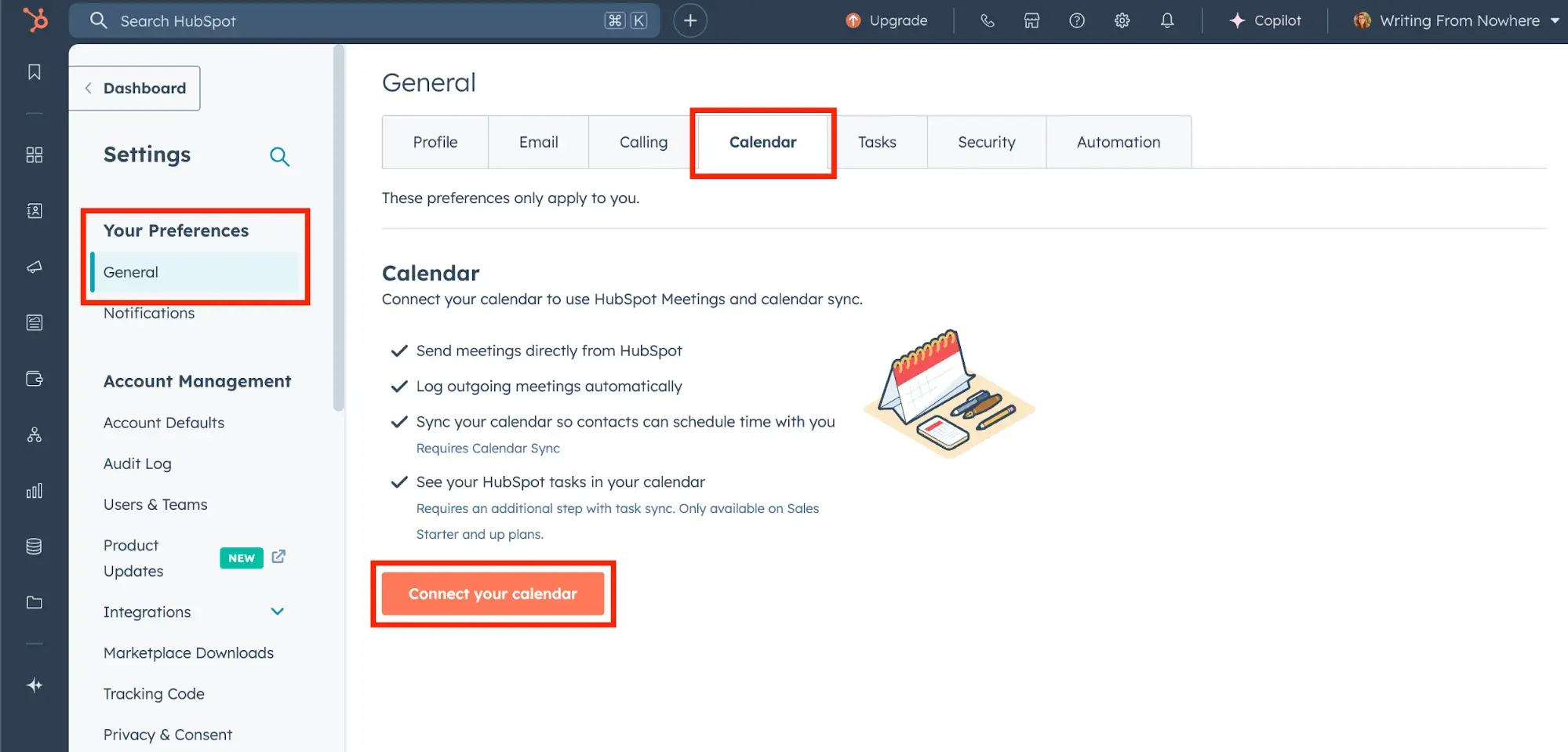
For example, integrating your calendar with your task manager can help you see how your time is allocated and avoid overbooking. This visibility allows you to plan your day more effectively, ensuring that you have enough time for both deep work and meetings.
Using AI to Enhance Efficiency
Artificial intelligence is increasingly being used to enhance productivity. AI-powered assistants can summarize long email threads, generate meeting notes, and even draft responses to common queries. This frees up time for higher-value tasks that require human creativity and judgment.
At AEO/GEO, we see how AI can transform content creation and distribution. By automating routine tasks, teams can focus on strategic initiatives that drive growth. This is particularly relevant for remote teams, where efficient communication and content visibility are critical for success.
Maintaining Work-Life Balance
Work-life balance is often cited as a benefit of remote work, but it is not automatic. Without the physical separation of an office, it is easy for work to encroach on personal time. Maintaining balance requires intentional effort and a willingness to set boundaries.
Prioritizing Health and Well-being
Physical health is closely linked to productivity. Remote workers often have more control over their diet and exercise routines, but they also face the risk of a sedentary lifestyle. Incorporating regular movement into your day, whether through short walks, stretching, or a home workout, can boost energy levels and improve focus.
Mental health is equally important. Taking breaks to disconnect from screens, spend time in nature, or engage in hobbies can help prevent burnout. These breaks are not a luxury; they are a necessity for sustained performance.
Connecting with Others
Social isolation is a common challenge for remote workers. The lack of casual interactions with colleagues can lead to feelings of loneliness and disconnection. To combat this, make an effort to connect with others both professionally and personally.
Schedule virtual coffee chats with colleagues, join online communities related to your industry, or participate in virtual team-building activities. These interactions help maintain a sense of belonging and can provide valuable support and insights.
Adapting to Your Personal Rhythms
Every individual has unique productivity rhythms. Some people are early birds, while others are night owls. Understanding your own patterns and working with them, rather than against them, can significantly enhance your output.
Identifying Peak Productivity Hours
Pay attention to when you feel most alert and focused. Is it early in the morning, right after lunch, or late in the evening? Once you identify your peak hours, schedule your most demanding tasks during this time. Save less demanding tasks, such as checking email or filing, for when your energy is lower.
This approach ensures that you are using your highest energy for the work that matters most. It also helps you avoid the frustration of trying to force productivity during low-energy periods.
Experimenting with Different Strategies
There is no one-size-fits-all solution for remote work productivity. What works for one person may not work for another. Be willing to experiment with different strategies and tools to find what suits you best.
Try different work environments, such as a home office, a library, or a coworking space. Test different time management techniques, such as the Pomodoro Technique or time blocking. Adjust your routine based on what you learn. The goal is to create a system that supports your unique needs and preferences.
Conclusion: Embracing the Remote Work Journey
Remote work is a journey of continuous improvement. It requires patience, self-awareness, and a willingness to adapt. By building a strong structural foundation, managing distractions effectively, leveraging technology, and maintaining work-life balance, you can create a remote work experience that is both productive and fulfilling.
As the landscape of work continues to evolve, the ability to work effectively from anywhere will become an increasingly valuable skill. By investing in your remote work practices, you are not just improving your productivity; you are future-proofing your career.
What strategies have you found most effective in your remote work routine? How do you balance the flexibility of remote work with the need for structure and focus?





