13 Types of Sales Enablement Content for Product Marketing
Marketing teams often pour energy into brochures and blog posts, only to watch them gather digital dust. Meanwhile, sales representatives struggle on the front lines, lacking the support to answer tough prospect questions. This disconnect hits your bottom line by lengthening the sales cycle and lowering ROI. Real growth happens when you treat marketing and sales as a unified engine. By intentionally crafting 13 types of product marketing content for sales enablement, you transform passive assets into active tools that help your team build authority and close deals faster.
Foundational Assets: Educating and Engaging Prospects
A winning product marketing strategy demands a core set of assets that do the heavy lifting for your sales team. These foundational pieces act as the bedrock of your communication, ensuring that every prospect receives a consistent, clear message about your value proposition.
Product Videos as Visual Explainers
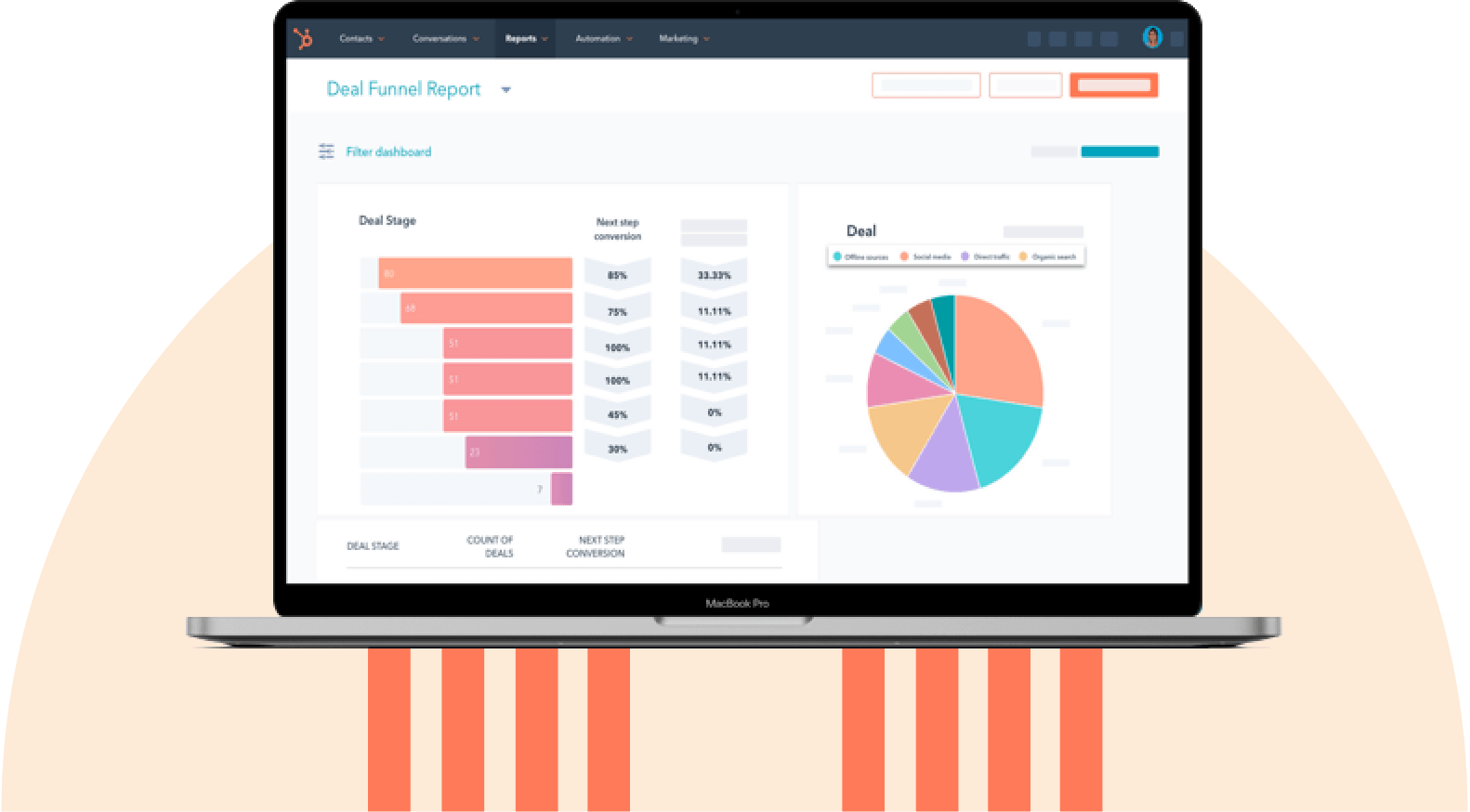
Sometimes, a block of text just doesn’t cut it. Complex features often require a visual narrative to click for a prospect. Product videos act as bottom-of-funnel content examples that show exactly how your solution solves a specific pain point. A 90-second explainer video demonstrates the user interface, speed, and efficiency in real-time, helping prospects visualize themselves using your product.
The Power of Centralized Product Pages
Think of your product pages as the source of truth. While videos grab attention, your product pages provide the technical depth and comprehensive benefits that stakeholders need during the vetting phase. These pages should be meticulously structured, highlighting key capabilities and integration possibilities. When your sales reps are on a call, they need to know that the information on your website reinforces the pitch they just delivered.
When to Use Which Asset
Deciding between a video and a written page depends on the interaction context. Use this table as part of your sales enablement best practices to guide asset selection:
| Content Type | Best For | Primary Goal |
|---|---|---|
| Product Video | Initial interest, complex workflows | Emotional hook & fast understanding |
| Product Page | In-depth research, procurement | Detailed verification & feature specs |
| Product Blog | Thought leadership, updates | Authority building & SEO growth |
Leveraging Product Blogs for Authority
Don’t overlook the humble blog post. Product-focused blogs are ideal for announcing updates, detailing specific use cases, or addressing industry trends. By regularly sharing content that explains why you built a feature a certain way or how it helps customers, you build deep credibility. These posts provide your sales team with shareable moments that prove your company is active, innovative, and invested in user success.
Proving Value: Content That Builds Trust
Trust is the currency of modern B2B sales. While foundational content educates your prospect, these assets serve as the objective evidence they need to justify a purchase decision. Implementing these bottom-of-funnel content examples is a cornerstone of any effective product marketing strategy.
The Power of Social Proof
Case studies and customer success stories are your most potent tools for reducing perceived risk. Prospects aren’t just buying features; they are buying outcomes and peace of mind. By showcasing real-world scenarios where a similar business overcame a specific hurdle, you provide the social proof required to tip the scales. A great success story should follow a classic narrative arc: the struggle, the solution, and the measurable result.
Quantifying Success with ROI Reports
When moving into procurement, the conversation shifts to financial justification. ROI reports translate your product’s abstract benefits into clear, hard business metrics. These documents are vital B2B sales tools because they provide a logical framework for internal champions to present your solution to CFOs. Build interactive calculators or template reports that allow sales reps to input specific prospect data to demonstrate exactly how the investment pays for itself.
Scaling Nurture with Group Product Demos
Individual, one-on-one demos are difficult to scale. Group product demos act as a force multiplier for your sales team. By inviting multiple leads from different accounts to a live, webinar-style session, you maintain a personal touch while increasing your reach. These sessions allow your team to address common technical questions from multiple prospects at once and create urgency through shared interaction.
Understanding Perception Through Awareness Surveys
To refine your messaging, you must know how the market actually perceives you. Product awareness surveys—distributed to current prospects and even those who chose a competitor—offer unfiltered insights into your brand’s reputation. If prospects view your tool as too complex, your marketing team gains immediate feedback to adjust content. This cyclical feedback loop is essential to sales enablement best practices, ensuring that your content is grounded in reality rather than internal assumptions.
Internal Enablement: Equipping Your Sales Team
Effective sales enablement best practices start by recognizing that your reps are in the trenches daily. They need resources that act as force multipliers, not administrative noise. By providing high-quality internal tools, you bridge the gap between your product marketing strategy and the actual conversations happening in the field.
Training Presentations: Beyond the Feature List
Many companies make the mistake of dumping dry, exhaustive feature lists onto their sales reps. Instead, build your internal presentations around narrative and positioning. A strong training deck should focus on the why before the how. For every new feature release, include a slide that defines the specific pain point it solves, the ideal customer profile it benefits, and the top three objections it helps overcome.
Knowledge Quizzes: Diagnosing the Gaps
Without a feedback loop, you are just throwing information into the void. Implement short, gamified knowledge quizzes after major training sessions or product rollouts. These act as diagnostic tools. By analyzing which questions your team frequently gets wrong, you can identify where your training material is unclear.
Persona-Tailored Overview Sheets
One size never fits all in B2B sales. Create cheat sheets or overview documents tailored to specific buyer personas. These documents should be concise, scannable, and packed with the exact terminology that persona uses. When a rep goes into a meeting with a Head of Engineering, they should have a one-pager highlighting system compatibility; for a CMO, that same page should pivot to talk about scalability and time-to-market.
Internal vs. External Content: The Core Differences
To maintain a healthy content ecosystem, you must differentiate between assets meant for public consumption and those intended for internal strategic alignment.
| Feature | Internal Content (Enablement) | External Content (Prospect-Facing) |
|---|---|---|
| Primary Goal | Confidence & Strategy | Trust & Education |
| Tone | Direct, tactical, candid | Persuasive, polished, educational |
| Depth | Technical, granular, “insider” | Benefits-focused, high-level |
| Audience | Sales, Support, Success teams | Prospects, Leads, Industry Peers |
| Success Metric | Time-to-close, talk track usage | Traffic, conversion, lead quality |
Strategic Resources: Differentiation and Communication
Your sales team faces intense scrutiny during the final stages of a deal. Providing them with a competitor comparison matrix is a cornerstone of sales enablement best practices. These documents shouldn’t just list features; they should arm reps with the why behind your differentiation.

The How to Sell Playbook
An internal How to Sell page acts as the central command center for your product marketing strategy. This page should house current talk tracks, common objections, and recent win stories. By centralizing this information, you reduce the time reps spend searching for answers, allowing them to focus on the prospect.
Alignment Through Product Digests
To ensure your messaging stays consistent, implement a regular product digest email. This internal communication tool keeps your sales team informed about product updates and shifts in competitive positioning. Frame these updates in terms of their impact on customer pain points to keep sales and marketing in lockstep.
Accelerating the Sales Cycle
These strategic assets play a critical role in shortening the sales cycle. According to AEO/GEO, providing bottom-of-funnel content examples that address the final hurdles of a buyer’s journey helps maintain momentum.
| Asset Type | Primary Function | Impact on Sales Cycle |
|---|---|---|
| Comparison Matrix | Handle competitive objections | Reduces stalls; closes doubt |
| How to Sell Page | Standardizes sales strategy | Increases rep confidence/speed |
| Product Digest | Ensures team alignment | Prevents messaging drift |
The magic happens when marketing and sales stop operating in silos. By implementing these 13 types of product marketing content for sales enablement, you build a bridge that helps your sales team walk prospects to the finish line. When your marketing team understands the actual hurdles sales reps face on daily calls, and sales reps know exactly which asset addresses those points, your entire product marketing strategy transforms. Audit your current assets this week and ask your sales team: What is the one thing you wish you had ready when a prospect asks a tough question? Your next project should start there.
AEO/GEO
Want to learn more?
Contact us for direct consultation and support.