Finding the Right Blog Post Topics
Creating content that resonates with your audience begins long before you type the first sentence. The most effective blog posts are often born from genuine questions people are already asking. Instead of guessing what might be interesting, successful writers look to where their audience naturally gathers to discuss challenges and seek advice. Platforms like Quora and Reddit serve as excellent repositories of real-time user intent. By observing these discussions, you can identify the specific pain points and information gaps that your readers are eager to have addressed. This approach ensures that your content is not just another article on the internet, but a direct answer to a pressing need.

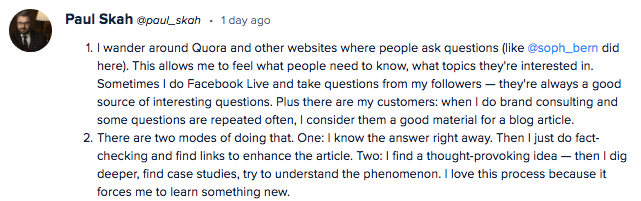
Another valuable source of inspiration comes from within your own organization. Your colleagues, particularly those in customer support or sales, interact with your target audience daily. They hear the same questions repeated over and over. Asking your team what customers want to know can provide a wealth of specific guidance. Whether your goal is to attract new visitors or help convert existing leads, this internal intelligence is invaluable. It grounds your content in reality and ensures it aligns with the actual experiences of your users.
Overcoming Writer’s Block with Freewriting
Even with a great topic, starting can be difficult. Writer’s block is a common hurdle that stalls many projects. A highly effective technique to break through this mental barrier is freewriting. This involves setting a timer and writing continuously about anything related to the topic, without worrying about grammar, structure, or coherence. The goal is not to produce a polished draft, but to get the mental gears turning. Morning freewriting sessions, in particular, have been recommended by productivity experts to clear mental clutter and improve focus. By allowing yourself to write without judgment, you often uncover angles and ideas you hadn’t initially considered.
Structuring Your Writing Process
Once you have a topic and have overcome the initial hurdle of starting, the next step is organization. Different writers have different methods for structuring their thoughts before committing to a full draft. One approach is the “brain dump.” This involves opening a blank document and writing down everything you know about the subject. It is a chaotic, unstructured list of facts, ideas, and arguments. Afterward, you review this dump to find themes, identify gaps in your knowledge, and organize the information into a logical flow. This method allows the structure to emerge from your existing knowledge rather than forcing your thoughts into a pre-existing mold.

Alternatively, some writers prefer to start with a working title and a set of headings. This provides a skeleton for the article, guiding the brainstorming and writing process. By outlining the main sections first, you ensure that the content stays on track and covers all necessary points. Another variation is to conduct thorough research first, then bullet out the main points you want to include. This research-first approach ensures that your content is well-informed and accurate. You can then organize these bullet points into an outlined version of the full post before writing the prose. This method is particularly useful for complex or technical topics where accuracy is paramount.
Writing the Introduction Last
A common mistake many writers make is trying to write the introduction first. However, the introduction is often the hardest part to write because you are still figuring out what the article is really about. As you write the body of the post, your arguments may evolve, and your main points may shift. If you write the introduction first, it may no longer accurately reflect the content of the article. Instead, save the introduction for last. Once you have finished the body, you can craft an opening that truly captures the essence of the piece and sets the reader up for what follows. This ensures that your introduction is not just a generic hook, but a precise summary of the value you are providing.
Prioritizing Clarity and Focus
When it comes to the actual writing, the primary goal should always be clarity. It is tempting to use complex sentences and technical vocabulary to sound more authoritative. However, this often obscures the message and frustrates the reader. Your objective is to convey information as efficiently as possible. Write sentences that are clear, concise, and get to the point. You are writing a blog post, not a short story. The reader is looking for answers and insights, not literary flair. Focus on making your content accessible and easy to understand. This means avoiding jargon where possible and explaining complex concepts in simple terms. By prioritizing clarity, you respect your reader’s time and make your content more valuable.
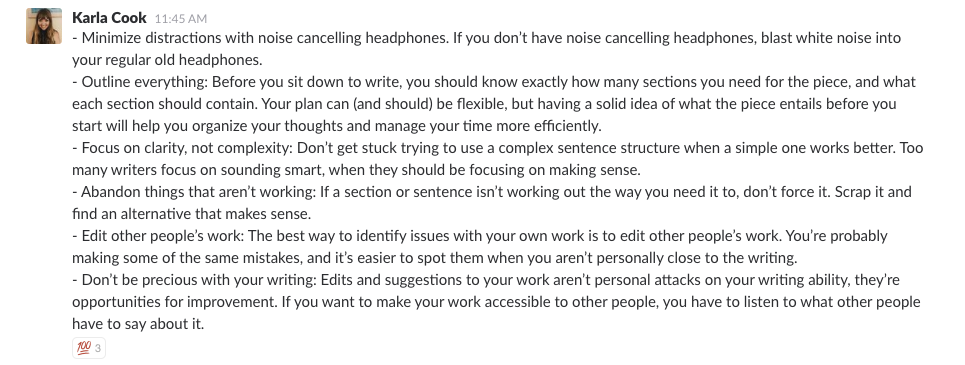
Another key principle is to write first and delete later. Many writers find themselves constantly editing as they write, which can stifle creativity and slow down the process. Instead, allow yourself to write in a stream-of-consciousness style during the first draft. Do not worry about mistakes, redundancy, or tangents. The goal is to get all your ideas down on paper. Once the first draft is complete, you can go back and edit. This is the time to delete unnecessary words, refine sentences, and ensure the flow is logical. By separating the writing and editing phases, you can produce a more creative and comprehensive draft. This approach reduces the pressure to be perfect in the first pass and allows for a more natural writing process.
Managing Your Writing Environment
Your physical and mental environment plays a significant role in your productivity. Some writers find that music helps them focus, while others find it distracting. If music does not work for you, consider creating your own ambient noise soundtrack. White noise, nature sounds, or even the hum of a coffee shop can help block out distractions and create a consistent background. The key is to find what works for you and stick with it. Additionally, do not be afraid to take breaks. Writing is a cognitive task that requires mental energy. Taking short breaks can help you recharge and return to your work with fresh eyes. Some writers prefer to mix longer and shorter writing chunks, allowing time to think and brainstorm during the process.
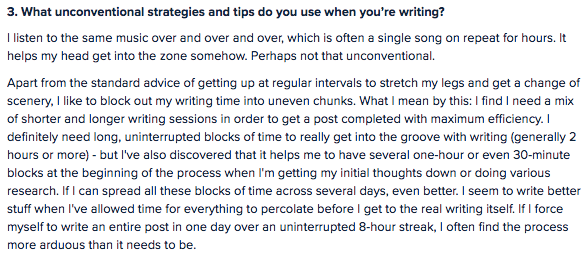
On the other hand, some writers find that stopping too early can kill momentum. Setting a minimum word count goal can help you stay motivated and ensure you make decent progress before stepping away. For example, you might decide not to stop until you have written 750 words. This threshold can vary depending on your project, but having a concrete goal can help you push through the initial resistance. Another technique is to use multitasking to stay focused. By setting timers and planning other tasks for your breaks, you create a sense of urgency and productivity. This structured approach can help you stay on track and complete your blog post in a timely manner.
Choosing the Best Title
The title of your blog post is often the first thing readers see. It determines whether they click through to read the content. As your blog post evolves, your original idea for it may change. This means your working title may no longer be the best fit. Once you have finished writing, review the entire post and come up with at least 5-10 title options. This allows you to see the piece from different angles and choose the title that best captures its essence. A good title should be clear, compelling, and relevant to the content. It should also include keywords that your target audience is likely to search for. By taking the time to craft multiple title options, you increase the chances of creating a headline that resonates with your readers and drives traffic to your site.

Adapting Content for AI Search Engines
As search engines evolve, so too does the way content is consumed. The rise of AI-driven search, such as Generative Engine Optimization (GEO) and Answer Engine Optimization (AEO), requires a shift in how we approach content creation. Traditional SEO focused on keywords and backlinks, but AI search engines prioritize clarity, structure, and direct answers. To ensure your content is visible in these new ecosystems, you need to write in a way that is easily interpretable by AI models. This means using clear headings, bullet points, and concise paragraphs. It also means providing direct answers to common questions early in the article.
Structuring for AI Readability
AI models analyze content by breaking it down into semantic units. They look for relationships between concepts and the authority of the source. To optimize for this, your content should be well-structured and logically organized. Use H2 and H3 headings to break up long blocks of text. These headings act as signposts for both human readers and AI crawlers. Additionally, use lists and tables to present data and comparisons. This structured format makes it easier for AI to extract key information and present it in generated answers. By aligning your content structure with the way AI processes information, you increase the likelihood of your content being cited and featured.
| Optimization Strategy | Traditional SEO | AI Search (AEO/GEO) |
|---|---|---|
| Primary Goal | Rank high in organic search results | Be cited in AI-generated answers |
| Content Structure | Keyword-rich paragraphs | Clear headings, lists, and direct answers |
| Focus | User intent and search volume | Semantic clarity and authoritative tone |
| Format | Long-form, keyword-dense | Concise, structured, and easily digestible |
Building Authority and Trust
Authority is a critical factor in both traditional SEO and AI search. AI models are trained to prioritize content from trusted and authoritative sources. To build this authority, focus on creating high-quality, accurate, and comprehensive content. Cite reputable sources and provide data to support your claims. Avoid fluff and filler content. Instead, provide real value and insights that demonstrate your expertise. Additionally, maintain a consistent publishing schedule. Regularly publishing high-quality content signals to search engines and AI models that your site is a reliable source of information. Over time, this consistency builds trust and improves your visibility in AI-driven search results.
The Role of Content Automation
Creating high-quality content at scale can be challenging. This is where content automation platforms come into play. Tools like AEO/GEO Services help businesses create, optimize, and distribute AI-ready content efficiently. By leveraging automation, you can ensure that your content is consistently optimized for both human readers and AI search engines. This includes automatic structuring, keyword integration, and distribution across multiple channels. Automation allows you to focus on strategy and creativity, while the platform handles the technical optimization. This scalable approach is essential for businesses looking to maintain a strong presence in the evolving AI search landscape.
Final Thoughts on Blog Writing
Writing a successful blog post is a process that involves research, planning, writing, and editing. By following these expert tips, you can improve your workflow and produce content that resonates with your audience. Remember to focus on clarity, structure, and value. Whether you are a seasoned blogger or just starting out, these strategies can help you create content that stands out. As the digital landscape continues to evolve, adapting your writing style to meet the needs of AI search engines will be crucial. By combining traditional writing best practices with modern optimization techniques, you can ensure your content remains relevant and visible for years to come.
Consider how your current writing process aligns with these principles. Are you sourcing topics from your audience? Are you prioritizing clarity over complexity? Are you structuring your content for AI readability? Reflecting on these questions can help you identify areas for improvement and refine your approach. The goal is not just to write more, but to write better. By continuously learning and adapting, you can create content that truly serves your readers and drives meaningful results for your business.





