Why Your LinkedIn Banner Matters More Than You Think
A LinkedIn banner is the visual anchor of your professional presence on the platform. It serves as the first point of contact for visitors, setting the tone for your brand identity before they even read a single word of your content. When you visit a company page and see a generic or missing banner, the impression is often one of neglect or lack of professionalism. This visual real estate is not just decorative; it is a strategic asset that communicates credibility, mission, and value instantly.

Many businesses overlook this opportunity, leaving the default gray background or using low-resolution images that fail to capture attention. This is a missed chance to engage your target audience and differentiate yourself from competitors. A well-designed banner can stop the scroll, encourage clicks, and invite followers to learn more about what you do. It acts as a digital handshake, establishing trust and relevance in the crowded landscape of B2B and B2C networking.
The impact of a strong banner extends beyond aesthetics. It reinforces your brand message, highlights key offerings, and can even drive specific actions, such as visiting a website or attending an event. In an era where attention spans are short, your banner must work hard to communicate your essence quickly. By analyzing successful examples from leading brands, we can uncover patterns and strategies that you can adapt to your own context. These insights help you move beyond guesswork and create visuals that resonate with your audience.
Consider the banner as a billboard in a high-traffic area. You have seconds to convey your message. If the visual is cluttered or unclear, visitors may leave without exploring further. Conversely, a clean, compelling image can spark curiosity and encourage deeper engagement. This is why studying the approaches of top-performing companies provides valuable lessons for your own strategy. Let’s look at how some of the most recognized brands use this space effectively.
Showcasing People and Culture
Humanizing your brand through imagery is one of the most effective ways to connect with your audience. People are naturally drawn to other people, and seeing real employees or customers in your banner can create an immediate sense of relatability. Tesla, for instance, uses a photo of two employees standing together in branded attire. This simple choice highlights their team and reinforces the idea that their people are central to their mission of sustainable energy. It suggests a collaborative and dedicated culture, which can attract both talent and customers who value these traits.
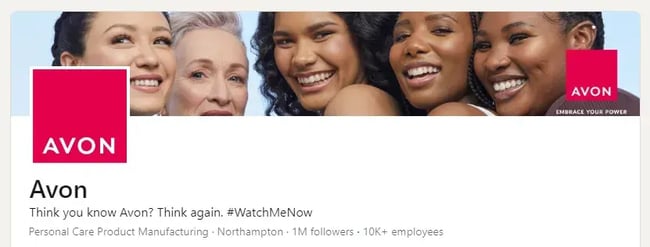
Similarly, Avon features a diverse group of women in their banner. This aligns with their history and mission of supporting women’s empowerment. By showcasing real faces, they demonstrate inclusivity and authenticity. This approach builds trust because it shows the human side of the brand. It is not just about selling products; it is about representing the community they serve. Such imagery can make a brand feel more approachable and genuine, fostering a stronger emotional connection with viewers.
The American Red Cross also leverages human-centric imagery effectively. Their banner shows volunteers ready for action, emphasizing their commitment to service and readiness. This visual communicates their core values of compassion and emergency response. It appeals to potential donors and volunteers by showing the impact of their work. For non-profits and mission-driven organizations, this strategy is particularly powerful. It turns abstract goals into tangible human stories, making the cause more compelling.
When selecting images of people, ensure they reflect your brand’s diversity and values. Authenticity is key; stock photos that feel staged can backfire. Instead, opt for candid shots or professional images that capture genuine moments. This approach helps build a narrative around your brand that is both engaging and trustworthy. It invites viewers to see the individuals behind the logo, creating a more personal and memorable interaction.
Highlighting Products and Services
For brands where the product is the star, showcasing it directly in the banner can be highly effective. Procter & Gamble uses a group shot of their well-known products, instantly recognizable to consumers. This visual reminder reinforces brand awareness and highlights the breadth of their offerings. It serves as a quick catalog, allowing viewers to associate the brand with quality and variety. This strategy works well for companies with a strong portfolio of household names, as it leverages existing recognition to strengthen their digital presence.
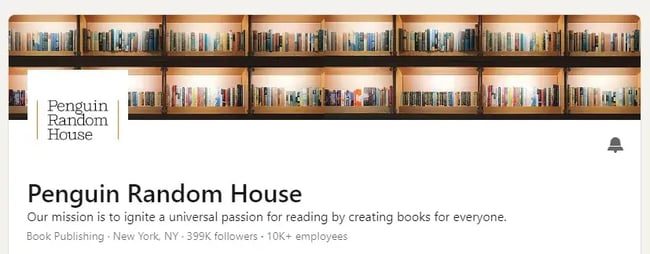
Penguin Random House takes a different approach by displaying a neatly arranged bookshelf. This image appeals directly to their target audience of readers and book lovers. It evokes a sense of discovery and knowledge, aligning with their mission to ignite a passion for reading. The visual is simple yet powerful, communicating the essence of their business without needing words. It creates an aspirational image that invites viewers to explore their vast library of titles.
Ralph Lauren uses a collage of models at fashion shows to highlight their luxury apparel. This dynamic composition captures the energy and elegance of their brand. It showcases the final product in action, giving viewers a glimpse into the world of high fashion. This approach is ideal for brands that want to convey style, prestige, and exclusivity. It tells a story of craftsmanship and design, appealing to those who value these attributes.
When featuring products, ensure the imagery is high-quality and visually appealing. Avoid cluttered layouts that can overwhelm the viewer. Instead, focus on clarity and impact. The goal is to make the product the hero of the image, drawing attention to its features and benefits. This strategy can drive interest and encourage viewers to learn more about what you offer, ultimately supporting your marketing objectives.
Communicating Mission and Values
Your banner is an excellent place to articulate your brand’s purpose. ConvertKit uses their space to state their mission: helping creators earn a living online. This clear statement aligns with their target audience of digital creators, showing that they understand and support their needs. It builds credibility by demonstrating a shared vision. When viewers see that a brand stands for something meaningful, they are more likely to engage and trust the company.
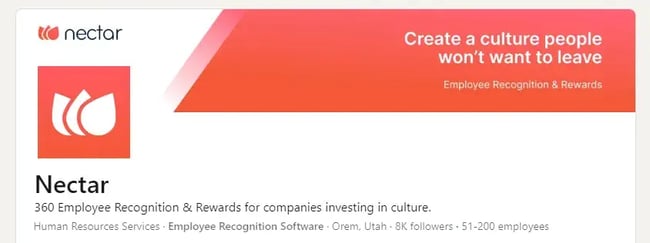
Nectar highlights their value proposition by displaying a compelling return on investment (ROI) message. This speaks directly to businesses looking to improve employee retention and culture. By quantifying their impact, they provide a tangible reason to consider their services. This approach is effective for B2B brands that need to demonstrate value quickly. It shifts the focus from features to outcomes, which is often more persuasive to decision-makers.
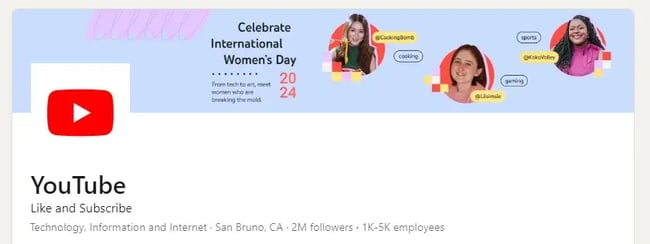
YouTube celebrates significant events, such as International Women’s Day, by featuring diverse women in their banner. This shows that the brand is socially aware and inclusive. It builds goodwill and connects with viewers on a deeper level. By aligning with important causes, brands can demonstrate their values and foster a sense of community. This strategy can enhance brand reputation and loyalty, as viewers appreciate companies that stand for positive change.
When communicating your mission, keep the message concise and clear. Avoid jargon or overly complex language. The goal is to be understood quickly. Use strong visuals that support the message, ensuring that the text is legible and prominent. This approach helps you stand out and convey your purpose effectively, making a lasting impression on your audience.
Leveraging Awards and Endorsements
Social proof is a powerful tool for building trust. Thinkific displays an award for being a great place to work, which enhances their credibility as an employer and a platform. This recognition signals quality and excellence, encouraging potential customers and employees to view them favorably. It provides an external validation that can be more persuasive than self-promotion. For brands seeking to establish authority, showcasing awards is a strategic move.
Mayo Clinic highlights their ranking as the number one hospital in the world, according to Newsweek. This endorsement from a reputable source reinforces their status as a leader in healthcare. It builds confidence in their services and attracts patients and partners who value top-tier care. This approach leverages third-party validation to strengthen their brand position. It is a clear example of how external recognition can be used to enhance credibility.
When using awards or endorsements, ensure they are relevant and recent. Outdated or obscure accolades may not have the same impact. Choose visuals that are clean and professional, allowing the award to stand out. This strategy can help you differentiate yourself from competitors and build trust with your audience. It shows that your brand is recognized and respected in your industry, which can influence decision-making.
Creating Anticipation and Engagement
Teasing upcoming products or events can generate excitement and keep your audience engaged. Vidyard uses their banner to hint at future innovations in video selling. This creates curiosity and encourages viewers to stay tuned for more information. It positions the brand as forward-thinking and innovative. By building anticipation, you can maintain interest and drive engagement over time. This strategy is particularly effective for brands with a pipeline of new offerings.
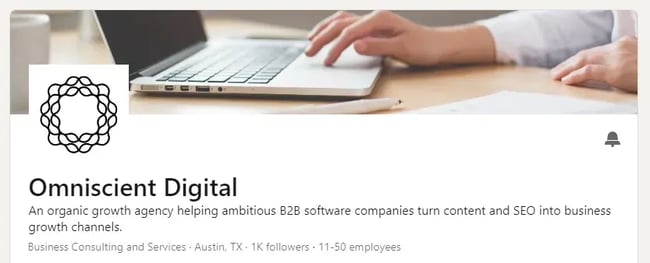
Omniscient Digital shows a hand working on a laptop, suggesting active work and productivity. This image communicates their focus on content and SEO services. It invites viewers to imagine themselves achieving similar results. This approach is subtle yet effective, using visual storytelling to convey their expertise. It creates a connection with the viewer by showing the process behind the service, making it more relatable.
When creating anticipation, balance mystery with clarity. You want to intrigue viewers without confusing them. Use strong visuals that hint at the future while remaining relevant to your current brand identity. This strategy can help you build a loyal following that looks forward to your updates. It keeps your brand top-of-mind and encourages ongoing interaction.
Choosing the Right Approach for Your Brand
Selecting the best banner strategy depends on your specific goals and audience. If you want to humanize your brand, focus on people. If your product is the key differentiator, showcase it prominently. If your mission is central to your identity, communicate it clearly. There is no one-size-fits-all solution; the best approach is the one that aligns with your unique value proposition.
Consider your LinkedIn goals and the message you want to convey. Are you looking to attract talent, generate leads, or build brand awareness? Your banner should support these objectives. It is also okay to update your banner periodically to reflect new campaigns, products, or milestones. This keeps your profile fresh and relevant.
Ultimately, your LinkedIn banner is a powerful tool for shaping your professional image. By learning from successful examples and applying these insights to your own context, you can create a visual presence that resonates with your audience. It is about more than just aesthetics; it is about communicating your brand’s essence and building trust in a competitive digital landscape. Take the time to craft a banner that truly represents who you are and what you stand for.
As you refine your strategy, remember that consistency is key. Your banner should complement your overall brand identity, including your logo, colors, and tone. This creates a cohesive and professional image that reinforces your credibility. By paying attention to these details, you can make a strong first impression and encourage deeper engagement with your brand. The question is not just what you show, but how effectively you communicate your value through visual storytelling.





