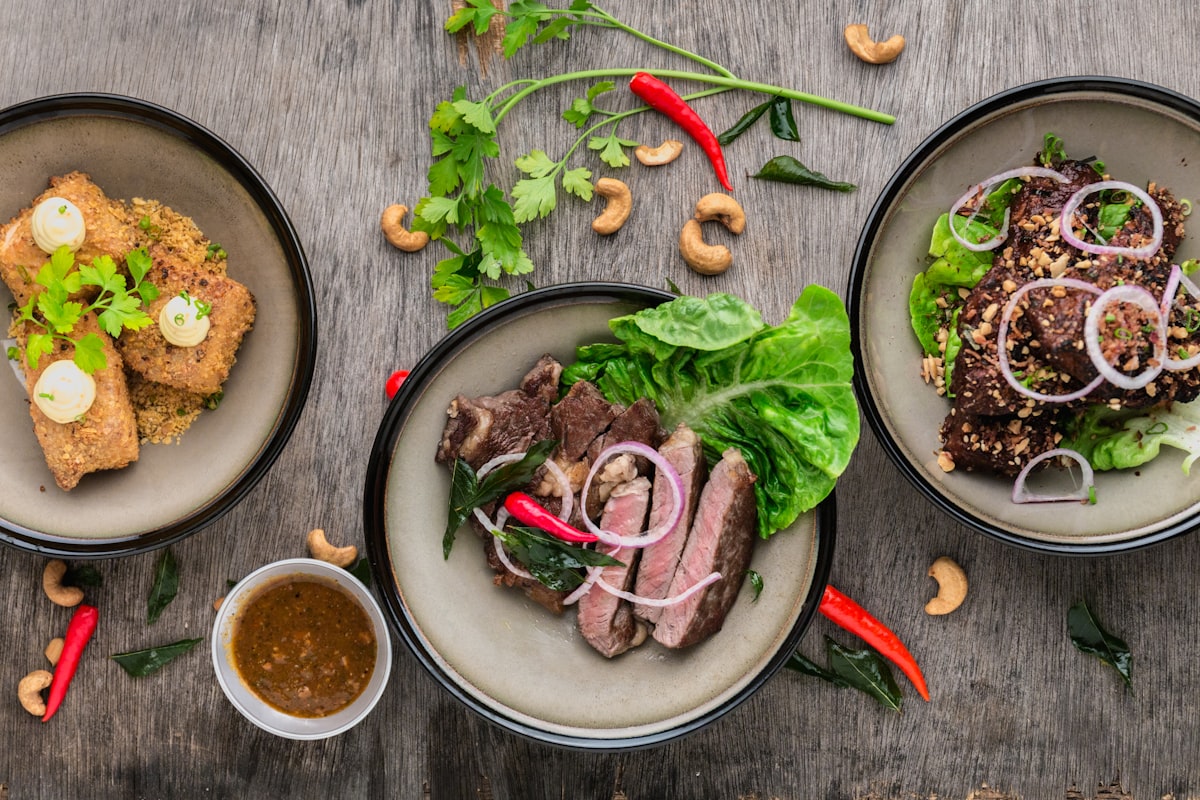
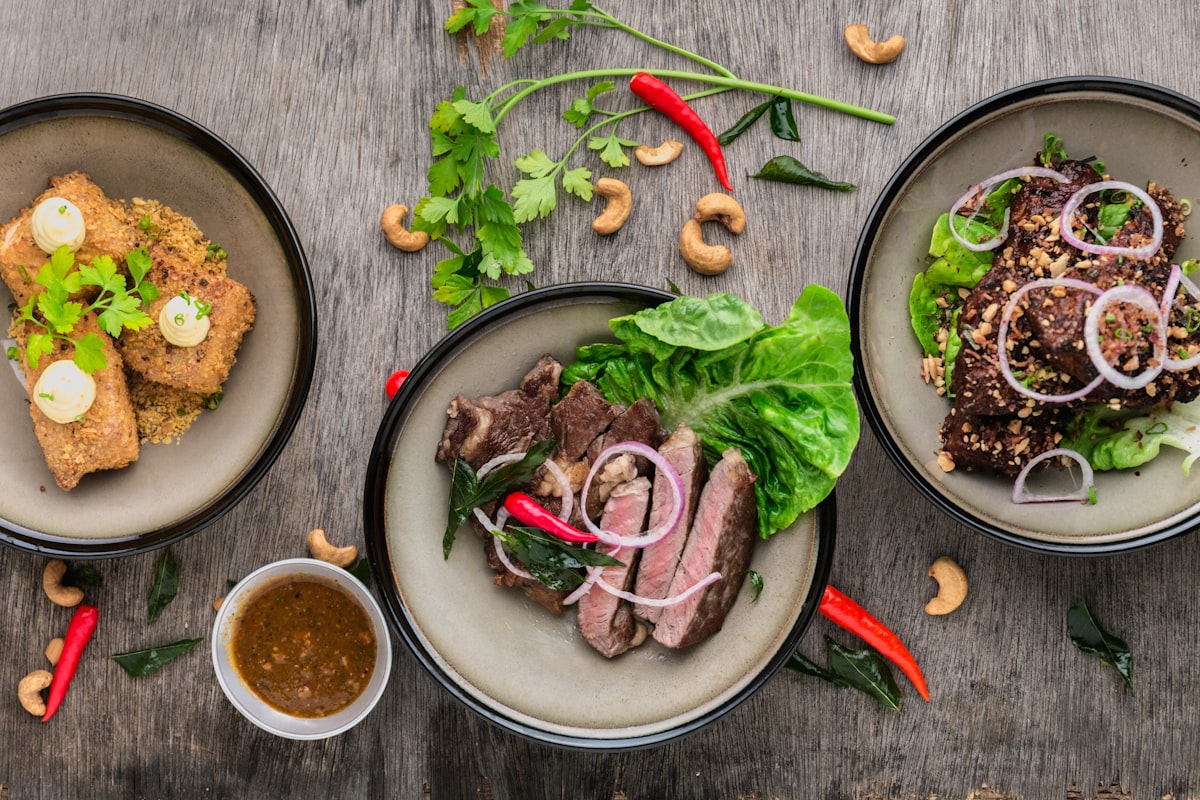
Food has always held a dominant place on visual social platforms, but success on Instagram requires more than just posting pictures of meals. The difference between a scroll-pausing image and one that is ignored often comes down to lighting, composition, and context. Good food photography is sharp, well-lit, and placed in an environment that tells a story. Bad images are unedited, messy, and fail to invite the viewer in.

For brands selling food or beverages, mastering this visual language is critical. Today’s consumers expect to see recipe ideas, product promotions, and a glimpse into the brand’s culture on platforms like Instagram and Facebook. To help illustrate what effective food brand Instagram accounts look like, we have analyzed 15 examples that demonstrate how to build a loyal following through compelling visual content.
The Power of Aesthetic Consistency
Bien Cuit: The Art of Symmetry
Bien Cuit, a New York City-based bread company, derives its name from the French culinary term for the darkest, crunchiest loaf. Their Instagram feed is a masterclass in visual consistency. They utilize clean, symmetrical compositions that pair dark, rich tones with off-white or block-colored backgrounds. The result is a series of sharp images where the texture of the bread is so apparent you can almost hear the crust crack. This approach builds a recognizable brand identity through repetition and precision. By maintaining a strict aesthetic, they ensure that even without a logo, their content is instantly identifiable. This level of discipline helps them stand out in a feed cluttered with chaotic imagery, proving that simplicity and structure are powerful tools for brand recognition.
FOMU: Highlighting Unique Flavors
FOMU positions itself as an “alternative ice cream” brand, and their Instagram strategy reflects this uniqueness. Instead of generic scoops, they showcase unconventional flavors like mulled cider, cardamom pistachio, and maple bourbon walnut. By visually emphasizing the ingredients and the novelty of the combinations, they attract an audience interested in culinary experimentation. This tactic proves that product differentiation should be front and center in visual content. The brand uses close-up shots that highlight the texture and color of these unique ingredients, allowing the viewer to almost taste the complexity. This visual emphasis on novelty not only drives curiosity but also educates the consumer on the breadth of their offerings, encouraging them to try new flavors they might not have considered otherwise.
Forequarter: Teasing the Menu
Forequarter, a restaurant in Madison, Wisconsin, is known for its ever-changing menu. They leverage Instagram to keep their customer base informed about new offerings. Their photos are colorful and meticulously organized, often serving as teasers for the night’s specials. For instance, a post might feature lamb roasts ready to be paired with potatoes boulangere, garlic butter, and rosemary. This creates urgency and anticipation, encouraging followers to make reservations to try the featured dishes. By treating their Instagram feed as a dynamic menu, they turn passive scrollers into active diners. The high-quality photography ensures that the food looks as appealing online as it does on the plate, reducing the friction between seeing the image and deciding to visit the restaurant.
Creativity and Brand Personality
Oreo: Bold Color and Playful Themes
Oreo uses its Instagram account to reinvent the classic cookie through creativity. They employ bold, block colors like bright blues, pinks, and yellows to create high contrast with the black and white cookies. The brand often posts multiple images on a single theme, such as cookies covering people’s heads or serving as terrain for miniature figurines. This playful approach keeps the content fresh and engaging, appealing to a broad audience that enjoys whimsical visuals. By stepping away from traditional food photography, Oreo reinforces its brand identity as fun and innovative. This strategy demonstrates that food brands do not always need to focus solely on the product’s consumption; instead, they can use the product as a prop for creative storytelling, which resonates deeply with younger demographics who value entertainment alongside aesthetics.
Pabst Blue Ribbon: Nostalgia Marketing
Pabst Blue Ribbon (PBR) demonstrates how to maintain interest with a single product: a can of beer. Their feed is filled with creative, artistic photos that align with the brand’s cool, indie vibe. A notable example is a drawing of a Capri Sun pouch filled with PBR, which taps into nostalgia marketing aimed at millennials. By connecting their product to shared cultural memories, PBR creates an emotional connection that goes beyond the beverage itself. This approach shows that visual strategy can be deeply rooted in cultural commentary and humor. Instead of focusing on the taste or brewing process, PBR focuses on the lifestyle and attitude associated with the brand, using visual metaphors to speak directly to their target audience’s sense of humor and identity.
Pizza Pilgrims: Showing the Human Side
Pizza Pilgrims, a New York City pizza company, balances delicious food photos with images of their staff. They post endearing pictures of employees singing with pizza peels in hand or playing a guitar made from pizza. These silly, behind-the-scenes moments humanize the brand, making it feel more approachable and authentic. Showing the people behind the food helps build a community around the brand, not just a customer base. This strategy is particularly effective for local businesses, as it fosters a sense of familiarity and trust. When customers see the faces of the people who make their food, they are more likely to feel a personal connection to the brand, leading to higher loyalty and repeat visits. It transforms the brand from a faceless entity into a group of passionate individuals.
Lifestyle and Contextual Storytelling
Nature’s Path Organic: Aligning with Health Values
Nature’s Path Organic is a family-owned business known for farm-fresh, organic ingredients. Their Instagram content targets an audience interested in healthy lifestyles. They consistently post photos of their products in the context of active, healthy people, such as waffles with fruit and nuts or bars spilling out of a backpack during an adventure. This contextual storytelling reinforces the brand’s values and appeals to consumers who prioritize wholesome, natural foods. By placing their products in aspirational settings, they suggest that choosing Nature’s Path is part of a larger, healthier lifestyle. This technique helps consumers visualize how the product fits into their own lives, making the purchase decision feel like an investment in their well-being rather than just a snack choice.
Brewdog: Educating and Engaging
Brewdog’s mission extends beyond selling beer to cultivating passion for craft brewing. They achieve this by sharing images of the brewing and tasting processes, such as flowing hops and staff taking notes on new batches. Their photos are often dark and high-definition, featuring a palette of browns, blues, and reds. This educational content engages their audience by providing insight into the craftsmanship behind the product, fostering a deeper appreciation for the brand. By demystifying the brewing process, Brewdog positions itself as an authority in the craft beer space. This transparency builds trust with consumers who are increasingly interested in the origins and production methods of the products they buy. It turns a simple beverage into a story of expertise and dedication.
Chobani: Inspiring with Recipes
Chobani tackles the question of how to use yogurt creatively by posting endless recipe ideas on Instagram. From blueberry vanilla popsicles to chocolate peanut butter granola bowls, their content inspires followers to incorporate yogurt into various meals. By positioning their product as a versatile ingredient, Chobani encourages repeated usage and engagement from a health-minded audience looking for new culinary ideas. This strategy provides tangible value to the consumer, offering solutions for breakfast, lunch, dinner, and dessert. By acting as a culinary resource, Chobani keeps its brand top-of-mind throughout the day, increasing the likelihood that consumers will reach for their product when planning meals. It transforms the brand from a mere supplier into a helpful partner in the kitchen.
Atmosphere and Sensory Appeal
The Boathouse Palm Beach: Capturing the Vibe
The Boathouse in Palm Beach, Australia, uses Instagram to convey its nautical theme. From blue-and-white striped awnings to cinnamon anchors on cappuccinos, every visual element reinforces the brand’s identity. They share bright, well-lit photos of menu offerings, boats, and patrons, often taken on the dock outside. Incorporating their anchor logo into latte art and branded cutting boards further strengthens brand recognition. This strategy effectively transports viewers to the seaside atmosphere of the restaurant. By focusing on the ambiance and setting, The Boathouse sells an experience rather than just a meal. This is crucial for destination dining, where the environment is a key part of the appeal. The visual consistency across all elements, from food to decor, creates a cohesive and immersive brand world.
Rosarito Fish Shack: Casual Appeal and Community
Rosarito Fish Shack, a casual seafood spot in Williamsburg, New York, focuses on hearty food and great drinks. They use color, symmetry, and sharpness to make even simple dishes like lobster rolls look mouth-watering. Close-up shots of colorful cocktails highlight details like garnishes and salted rims. Additionally, they repost patron photos and announce happy hours, creating a sense of community and keeping followers informed about events. This approach makes the brand feel accessible and relatable. By leveraging user-generated content, they not only save on production costs but also build social proof. Seeing real people enjoying the food and drinks validates the brand’s appeal and encourages others to join in. It creates a virtuous cycle of engagement and visibility.
Sustainability and Origin Stories
AlterEco: Connecting to Global Impact
AlterEco makes chocolate, but their brand is rooted in sustainability and partnerships with small-scale farmers. Their Instagram content reflects this global mission by featuring products in the context of travel and adventure, such as s’mores around a campfire. They also share recipe suggestions that pair their chocolate with healthy ingredients like nut butter, dates, and almonds. This content appeals to consumers who value ethical sourcing and adventurous lifestyles, connecting the product to a larger narrative. By highlighting the journey of their ingredients from farm to table, AlterEco educates consumers on the impact of their purchasing decisions. This transparency resonates with a growing segment of shoppers who prioritize ethical consumption, turning a simple chocolate bar into a symbol of positive global change.
Ocean Spray: Celebrating the Source
Ocean Spray leverages the rich red color of cranberries in their Instagram feed. They combine fun, playful graphics, such as boozy popsicle recipes, with beautiful photos of their products in full meals. The brand also shares images of cranberry bogs against clear blue skies, highlighting the origin of their ingredients. By showing the “making-of” process, Ocean Spray builds trust and appreciation for the natural source of their products. This visual connection to the land reinforces the brand’s heritage and authenticity. It reminds consumers that despite industrial processing, the core of their product is natural and farm-grown. This blend of playful modernity and agricultural tradition helps Ocean Spray appeal to both younger, trend-conscious consumers and older, tradition-valuing customers.
Justin’s: Clean Ingredients and Treats
Justin’s, a nut butter company, caters to health-minded consumers who still enjoy treats. They post photos of their products being used in delicious, “clean” recipes, such as a sweet and salty chocolate hazelnut pretzel milkshake. The captions often include direct calls to action, like “You neeeeeed it. Recipe link in profile.” This straightforward approach drives traffic to their recipes and reinforces the brand’s commitment to clean ingredients without additives. By focusing on the simplicity and purity of their ingredients, Justin’s appeals to consumers who are wary of processed foods. The visual appeal of the recipes, combined with the assurance of clean ingredients, makes the brand a trusted choice for health-conscious families. The direct call to action also ensures that the visual content translates into measurable engagement and traffic.
Belle Chevre: Transparency and Craft
Belle Chevre, a goat cheese company, shares beautifully crafted photos of their cheese in various recipes. They also frequently post images of their goats, revealing more about the production process. This transparency brings customers closer to the brand, fostering a connection based on trust and appreciation for the craft. By showcasing the origin of their ingredients, Belle Chevre differentiates itself in a crowded market. The images of the goats and the farm life provide a narrative depth that generic cheese brands lack. This storytelling approach allows consumers to feel connected to the source of their food, enhancing the perceived value and quality of the product. It transforms a commodity into a artisanal experience.
Strategic Takeaways for Food Brands
Analyzing these 15 food brands reveals several common strategies for Instagram success. First, consistency in visual style, whether through color palettes, composition, or theme, helps build brand recognition. Second, showing the human side of the brand, through staff photos or behind-the-scenes content, creates authenticity. Third, contextualizing products within a lifestyle or value system, such as health, sustainability, or adventure, resonates with target audiences. Finally, engaging with the community by reposting user content and announcing events fosters loyalty.
Food brands on Instagram are not just selling products; they are selling experiences, values, and stories. By focusing on high-quality visuals and strategic storytelling, brands can turn casual scrollers into loyal followers. The key is to understand your audience and tailor your content to reflect what they care about, whether that’s unique flavors, ethical sourcing, or playful creativity.
As AI-driven search and content discovery evolve, the principles of clear, structured, and valuable content remain essential. Brands that master these fundamentals on platforms like Instagram are better positioned to maintain visibility and engagement in a crowded digital landscape. The question is not just what you are selling, but how you are telling the story of your brand.
For more insights on leveraging visual platforms and optimizing content for modern search ecosystems, explore our resources on AI-ready content strategies. Understanding how to present your brand effectively is the first step toward sustainable growth.





