Why do some companies inspire fierce devotion while others struggle to retain a single customer? Dollar Shave Club turned a mundane utility into a billion-dollar exit. LaCroix fans aggressively championed a simple sparkling water until it dominated the category. The common thread is not budget size; it is the ability to build a community that feels ownership over the brand.
Millennials, in particular, demonstrate this trend, with 62% tending to stick with one brand compared to 54% of the general population. This loyalty does not happen by accident. It requires a deliberate strategy that aligns brand values with customer identity. We have analyzed 19 brands that have achieved this status to understand the mechanics behind their success.
It is easy to look at these global giants and feel overwhelmed. The reality is that these strategies do not require massive budgets or international teams. They are often simple, human-centric approaches that any marketer can adapt. By examining how these companies operate, we can extract practical lessons for building a loyal following in your own niche.
Understanding the Power of Brand Identity and Rebranding
A strong brand identity is the foundation of any cult following. It is not just a logo or a color palette. It is the emotional promise you make to your customers. When a brand refreshes its identity, it is an opportunity to reinforce that promise, not just change its appearance.
Southwest Airlines provides a masterclass in this. In 2014, the airline unveiled a significant branding refresh. Instead of quietly updating its materials, it launched a PR campaign to explain the reasoning behind the change. The campaign included videos that maintained the company’s playful voice while introducing the message, “Without a heart, it’s just a machine.” This transparency turned a corporate update into a cultural moment.
Own Your Rebrand Narrative
When you rebrand, do not hide the results. Your rebrand is a story about your evolution. Use it to create buzz within your industry. Explain why the change was necessary, how you considered your audience, and what the positive outcomes will be. This approach reinforces your new image and fosters adoption. At least half of nonprofits report that a rebrand increased their revenue, showing that this strategy works across sectors.
Apple also demonstrates the power of a clear, confident identity. Its product launches are simple and consumer-focused. The iPhone 7 landing page highlighted how the device “dramatically improves the most important aspects of the iPhone experience.” By focusing on the user experience rather than a list of technical specs, Apple creates a narrative that customers can immediately relate to. This simplicity builds trust. 69% of consumers are more likely to recommend a brand based on its simplicity.
Keep Your Message Simple
Complexity breeds confusion. Choose the benefits that matter most to your customer and build your strategy around them. A simple, unapologetic message implies confidence. Apple’s removal of the headphone jack was a bold move, but the announcement was clear and direct. This confidence resonates with customers who value straightforwardness.
Leveraging Social Channels and User-Generated Content
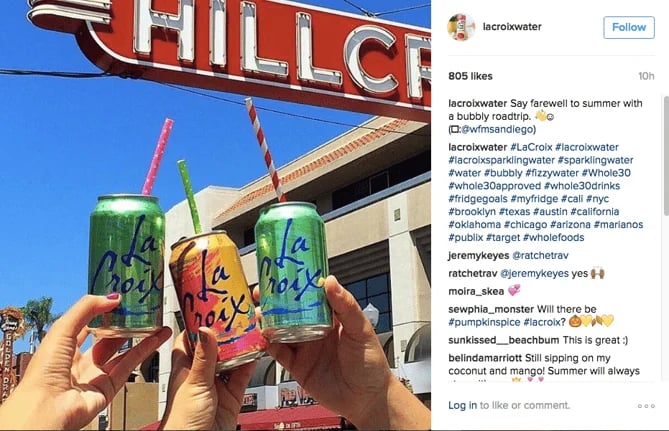
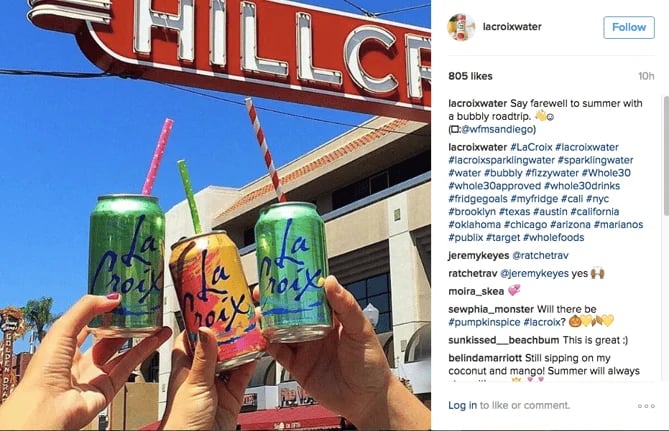
Social media is not just a broadcast channel. It is a conversation. Brands that build cult followings understand this and engage with their audiences on a personal level. LaCroix grew its Instagram followers from 4,000 to 30,000 in eight months by actively engaging with anyone who tagged the brand. It did not matter if the user had 10 followers or 10,000. This democratization of attention made customers feel seen.
Discover Where Your Audience Hangs Out
LaCroix knew that 55% of online 18-29-year-olds were active on Instagram. It doubled down on that platform, promoting user-generated photos and rewarding micro-influencers. This strategy transformed the brand from a product on a grocery shelf to a lifestyle choice for Millennials. You must find where your specific audience spends their time and be present there. It is not about being on every platform. It is about being effective on the ones that matter.
GoPro takes this a step further by making user-generated content the core of its marketing. The brand encourages users to post images captured by its cameras with the #GoPro hashtag. This creates a powerful content machine. With 6,000 user-branded videos uploaded to YouTube every day, GoPro has built a library of authentic proof points. This approach conserves marketing budget while generating massive engagement.
User-Generated Content is King
Your audience is already creating content about your product. Ask them to tag your brand or submit content for you to post. Companies like West Elm feature user-generated content almost exclusively on their social feeds. This strategy builds trust because real people are endorsing the product. It also fosters a sense of community among users who see their content shared by the brand.
Philz Coffee applies this principle to customer service. When a customer tweeted about generic responses, the brand apologized and pivoted to genuine, customized replies. This personal touch nearly doubled its Twitter following. A personalized customer service experience on social media leaves people 83% more satisfied. Talking to customers like they are real people is a non-negotiable for building loyalty.
Building Community Through Shared Values and Experiences
A cult following is often built on shared values. Brands that succeed in this area create a sense of belonging. SoulCycle rebranded the workout experience by framing it as a community-bound opportunity. Its messaging uses hashtags like #SoulMates and #SoulSquad, making exercise feel like an exclusive club rather than a chore. This emotional connection drives loyalty.
Market to Your Consumer’s Emotional Side
How can you make your product resonate on an emotional level? Tap into what is important to your clients. A study measuring brain activity in response to ads found that higher activity indicated a 23% increase in sales volume. 60% of consumers who feel a “high brand connection” are more likely to make a purchase, even at a higher price point. Understanding potential feelings toward your brand is critical.
CrossFit also taps into the desire for community. Its website features photos and journal entries from its “elite” pool of members, framing the brand as a movement rather than a product. The language used is strategic, describing the brand as “harnessing natural camaraderie.” This inspires ownership in the brand. 64% of consumers cite shared values as the main reason for having a relationship with a brand.
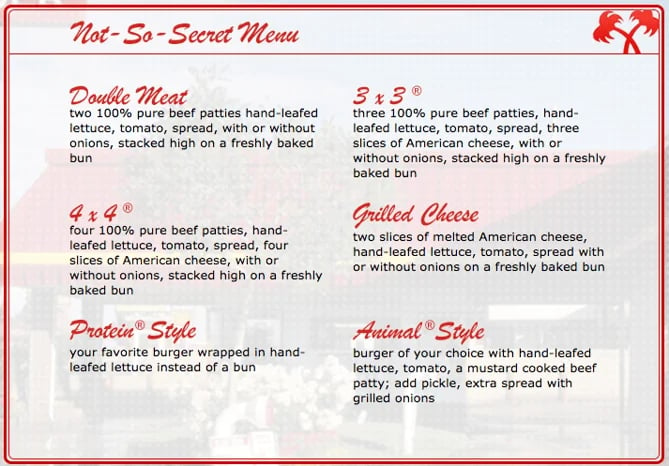
In-N-Out protects its brand identity by sticking to a simple menu of burgers, fries, and shakes. It has resisted fad-food missteps for 68 years. Even its pop-up shops are designed to protect the brand in new regions. This consistency reinforces the brand standards and ensures that marketing efforts align with the core identity. Your brand is more important than the product you sell. Building a strategy and sticking to it is essential.
Protect Your Brand Standards
Getting buy-in from your team is crucial. Ensure that every marketing effort reinforces your brand standards. In-N-Out’s protection of its brand extends to its physical presence. By controlling the experience, it maintains the fervent following it has cultivated. You must be protective of what makes your brand unique.
Exceptional Service and Strategic Channel Selection
Customer service can be a differentiator. Zappos built its brand around service, with CEO Tony Hsieh famously stating, “Zappos is a customer service company that just happens to sell shoes.” The company encourages reps to engage in long, helpful conversations, even sending flowers to bereaving customers or overnighting free shoes to best men. This dedication creates stories that fans share.
Delight Your Customers
In a marketplace with thousands of choices, exceptional service sets you apart. U.S. businesses lose about $41 billion each year due to bad customer service. A single act of kindness can turn a one-time buyer into a lifelong advocate. You do not need to send flowers, but you do need to prioritize the customer experience. It is often the deciding factor between you and a competitor.
Trader Joe’s takes a different approach. It has no official social media accounts and runs no TV ads. Instead, it relies on its “Fearless Flyer” newsletter, which features eloquent copy about its products. This unconventional channel resonates with its audience. The brand is strategic about where it engages, focusing on channels that allow it to showcase its passion for its products.
Be Strategic About Your Channels
You do not need to be on every platform. Step back and look at which unconventional channels could work for you. What is your brand’s “Fearless Flyer”? Figure out what makes you different and capitalize on it with something unexpected. Letting your product speak for itself works if you have a unique offering like cookie butter, but you still need a channel to amplify that message.

Starbucks invests heavily in mobile marketing. Its app remembers favorite orders, suggests pairings, and predicts pickup locations. With 56% of digital time spent on apps, this investment makes sense. If an app is not relevant to your brand, ensure your site is mobile-friendly and explore push notifications or other unique offerings.
Invest in Mobile Marketing
Mobile is where your customers are. 51% of digital media is consumed via mobile. Invest time and resources into your mobile strategy. A seamless mobile experience can enhance customer loyalty and drive repeat business. It is a practical step that aligns with consumer behavior.
Content Quality and Influencer Partnerships
Quality content holds attention. TED talks average 20 minutes in length, yet they hold five million YouTube subscribers. There is no flashy light show, just solid storytelling. This quality content transforms one-time viewers into regular followers. It is also imperative for SEO. Without valuable content, rankings can suffer.
Focus on Quality Content
Put time and effort into creating quality content. A catchy headline might grab attention for eight seconds, but valuable content retains it. It builds authority and trust. In the context of generative search optimization, high-quality, structured content is even more critical. AI engines cite authoritative, well-written content more often. Ensure your content is substantive and useful.
Lululemon fosters loyalty through brand ambassadors. It partners with yoga teachers and fitness trainers who represent its values. These ambassadors lead classes and share photos, providing aspirational advertising. This is a formal type of influencer marketing. Twitter reports that influencer marketing is responsible for 49% of user purchases.
Experiment with Influencer Marketing
Look for movers and shakers in your industry. Partner with them through guest contributions or by having them use your product. These partnerships must be strategic and mutually beneficial. Think of it as a co-marketing agreement. Both parties must benefit from the relationship.

Saturday Night Live keeps its brand relevant by incorporating guest contributions. Weekly guest hosts and musical talent allow the show to leverage current events. This strategy keeps the content topical and trending. You can apply this to your content strategy by inviting guest experts or partners to contribute. It adds credibility and fresh perspectives.
Incorporate Guest Contributions
Guest contributions are a great way to keep your brand relevant. Ensure these guests are aligned with your brand. Their audience should be similar to yours. This approach expands your reach and adds variety to your content. It is a collaborative way to build authority.
Evolving Brand Legacy and Non-Traditional Advertising
Brands must evolve to stay relevant. Moleskine balances its heritage with the digital present. It touts Hemingway and Picasso as early advocates while launching smart notebooks and companion apps. This balance maintains relevance for tech-savvy consumers who still appreciate paper. Every brand should evolve, but it must do so without losing its core identity.
Allow Your Brand to Evolve
Be flexible and open to your product changing. Our attention spans are short, and technology moves quickly. Maintaining your legacy while letting your marketing evolve requires a delicate balance. Moleskine’s success shows that you can honor your past while embracing the future. This duality appeals to a broad audience.
Life is Good grew to $100 million in sales without running a single ad. It relied on the social power of its community and charity events. This non-traditional approach built an avid fan following. 84% of Millennials do not like traditional advertising. Sponsoring local events or supporting a charity aligns your brand with positive values.
Think Outside the Advertising Box
Consider new forms of advertising. 80% of consumers believe corporations should work to benefit their communities. Supporting a cause that aligns with your mission can generate good PR and loyal fans. It is a win-win for both the brand and the community. This approach builds trust and respect.

Chaco takes its marketing on the road with the “Z the World Tour.” The brand hits music festivals and gear shops, interacting with consumers in person. This tangible experience recruits brand advocates. Bold visuals also increase people’s willingness to read content by 80%. Putting a face to your brand humanizes it.
Don’t Be Afraid to Put a Face with Your Brand
In-person interactions can be powerful. Sales teams close deals through face-to-face meetings, and marketing can follow suit. Let your audience experience your brand in a tangible way. This direct engagement builds stronger connections than digital ads alone.
Deepening Audience Understanding and Asset Organization
Understanding your audience goes beyond surveys. IKEA sends design experts into people’s homes to learn what is important to them. This qualitative data is funneled into relevant content, from its catalogue to web series. Millennials are more interested in conversing with a brand than filling out questionnaires. Focus on the conversation.
Do More Than Audience Surveys
Engage with your audience through social media and other conversation-centric platforms. This brings user personas to life. Understanding what motivates and challenges your consumers is the most important part of a marketer’s job. Allocate your resources to these conversations. They provide deeper insights than quantitative data alone.
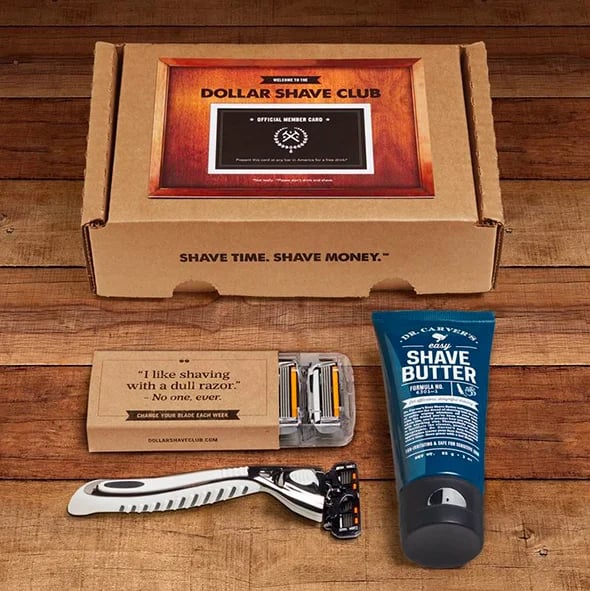
Dollar Shave Club ensures brand consistency across all channels. From packaging to digital presence, its brand identity informs everything. 90% of consumers expect this consistency. Using digital asset management tools can help maintain this consistency by making brand collateral easily accessible to your team.
Organize Your Brand Assets
Consistency builds trust. Ensure that your logos, images, and standards are cohesive across all touchpoints. Inconsistencies can hide in plain sight. A digital asset management system can help your team implement brand standards correctly. This organizational step supports the broader goal of building a cult following.
By analyzing these 19 brands, we see a clear pattern. Loyalty is built on authenticity, community, and a deep understanding of the customer. It is not about the size of your budget. It is about the quality of your connection. As AI-driven search evolves, the need for genuine, human-centric branding becomes even more critical. AI engines prioritize content that demonstrates expertise and trust. A cult following is a testament to that trust.
Take time to understand what motivates your audience. Create a content and brand marketing plan that reflects those motivations. Stay confident and genuine in your message. Share it in a relatable way. You might find yourself with advocates who believe in your brand as much as you do. How are you building your brand’s following? What lessons from these brands can you apply to your own strategy?





