A post event survey is a structured set of questions sent to attendees after a gathering to measure satisfaction, gather actionable feedback, and identify areas for improvement. By collecting direct input from your participants, you gain a clear view of what resonated with them and where your logistics or content might have fallen short. This process is essential for refining your strategy, as it transforms anecdotal observations into data-driven decisions that inform your future event planning.
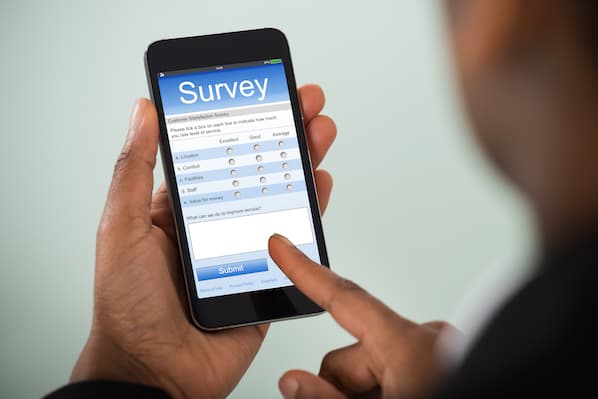
Most organizers rely on a mix of question types—including rating scales, binary yes-no options, and open-ended queries—to capture a complete picture of the attendee experience. When you systematically collect this information, you move beyond guessing what worked and start building a reliable framework for success. Whether you are hosting a small workshop or a large-scale conference, the insights gained from these surveys act as a guide for your next steps.
Assessing Overall Satisfaction
Starting with high-level questions allows you to establish a baseline for your event’s performance. The primary question—“How satisfied were you with the event?”—serves as the anchor for your entire survey. It provides an immediate pulse on attendee sentiment and sets the context for more granular feedback that follows.
Why High-Level Metrics Matter
General satisfaction scores provide a quick snapshot of success. When you track these scores over time, you can identify trends in your event quality. If your satisfaction ratings dip, you have an early warning sign that your programming or execution needs a change in direction.
Granular Breakdown
Beyond the general score, you should invite attendees to rate specific components such as venue quality, session relevance, catering, and speaker engagement. By breaking down satisfaction into these distinct categories, you can pinpoint exactly which elements contributed to a positive experience and which ones need refinement. This structured approach helps you understand the nuance behind a single rating, giving you a clear roadmap for operational adjustments.
Best Practices for Rating Scales
When designing your survey, ensure your rating scales are consistent. A five-point scale is often the industry standard, as it provides enough detail without overwhelming the participant. Always label your endpoints clearly to avoid ambiguity and ensure your data remains clean and actionable.
Gathering Qualitative Feedback
While rating scales provide the “what,” open-ended questions provide the “why.” Asking, “What was your favorite experience or moment of the event?” encourages participants to highlight the specific aspects that provided the most value. This feedback is invaluable for identifying your strongest assets, which you can then emphasize in future marketing efforts.
The Power of Open-Ended Questions
Open-ended questions allow attendees to express their thoughts in their own words. This often reveals insights that a multiple-choice question would miss, such as specific logistical frustrations or unexpected highlights. By providing a text box, you empower your audience to give you the context behind their numerical ratings.
Turning Criticism into Growth
Conversely, asking, “What could we improve on?” or “What would have made this event better?” creates space for constructive criticism. Although receiving negative feedback can be challenging, it is often where the most significant growth occurs. By listening to these suggestions, you demonstrate that your organization values attendee input, which strengthens trust and encourages long-term loyalty.
Analyzing Sentiment
When reviewing qualitative data, look for recurring themes. If multiple attendees mention the same issue, it is a clear signal that you need to address that specific pain point. Categorizing these comments can help you prioritize your improvements for the next event cycle.
Measuring Utility and Impact
To determine if your event achieved its educational or professional goals, you must evaluate the utility of the content. Questions such as, “How useful was the event?” and “Did the event meet your expectations?” help you understand if the information presented was actionable and relevant to your audience’s daily workflows. If attendees felt the content was practical, they are far more likely to perceive the event as a worthwhile investment of their time.
Key Performance Indicators
| Metric | Purpose |
|---|---|
| Net Promoter Score (Recommendation) | Measures overall brand advocacy |
| Attendee Retention | Tracks how many participants return |
| Content Relevance | Gauges alignment with audience needs |
| Logistic Efficiency | Assesses ease of access and participation |
Assessing Actionable Takeaways
Ask attendees if they plan to apply what they learned to their professional lives. This helps you understand the real-world impact of your content. If your event provides tangible value, attendees will view it as a necessary resource rather than just an optional gathering.
Evaluating Speaker Performance
Since speakers are often the face of your event, their impact on content utility is significant. Ask attendees to rate the clarity, expertise, and engagement level of individual speakers. This helps you curate a better lineup for future events by identifying which presenters truly resonate with your specific audience.
Understanding Attendee Behavior and Logistics
Understanding why people chose to attend and how they found you is critical for optimizing your pre-event marketing. By asking, “How did you hear about this event?” and “Why did you attend?” you gain insight into the effectiveness of your outreach channels. This data allows you to allocate your marketing budget more efficiently toward the platforms that actually drive registrations.
Optimizing Marketing Channels
If you find that a specific social media platform or email campaign drove the most registrations, you should double down on that channel. Conversely, if an expensive marketing effort yields little return, you can shift those resources elsewhere. This data-driven approach to event marketing ensures you reach the right people at the right time.
Assessing Operational Efficiency
Furthermore, logistics play a massive role in the overall perception of your brand. Questions regarding the helpfulness of staff, the ease of registration, and the accessibility of information tell you whether your operational processes support or hinder the attendee experience. If participants report difficulty in finding information, you have an immediate opportunity to improve your communication flow before the next event.
The Attendee Journey
Consider the entire journey from registration to departure. Was the check-in process smooth? Was the venue easy to navigate? By asking these logistical questions, you can identify friction points that might discourage future attendance. A seamless experience is often the difference between a one-time attendee and a loyal participant.
Evaluating Virtual and Hybrid Experiences
For virtual or hybrid events, the platform itself becomes a central part of the experience. Questions such as, “How easy to navigate was the platform?” and “What were your favorite virtual features?” are essential for gauging the effectiveness of your digital infrastructure. If your interface is not intuitive, you risk losing engagement regardless of how high-quality your content might be.
Technical Reliability
Technical issues are the fastest way to ruin a virtual experience. Ask specific questions about video quality, audio clarity, and platform stability. If attendees experienced lag or login issues, you need to know so you can hold your vendors accountable or switch to a more reliable solution.
Fostering Engagement
Networking is often a primary driver for attendance, so it is vital to ask, “How satisfied were you with the networking opportunities provided?” By measuring whether your virtual or physical space fostered meaningful connections, you can decide whether to invest more in breakout rooms, interactive sessions, or dedicated networking software in the future.
Hybrid Considerations
For hybrid events, you must evaluate the experience for both in-person and remote participants. Did the virtual attendees feel as included as those on-site? Understanding the disparity between these two groups allows you to create a more equitable experience in the future.
The Role of Pre-Event Surveys
While post-event surveys measure outcomes, pre-event surveys help you shape the experience before it begins. Asking attendees what they are most excited about or if they have specific accommodations allows you to customize your program to meet their actual needs. This proactive approach ensures that your event is aligned with audience expectations from the start.
Customizing the Experience
By asking for input early, you show your audience that you care about their preferences. This can include anything from dietary requirements to preferred session topics. When attendees feel heard before the event even starts, their overall satisfaction is likely to be higher.
Common Pre-Event Questions
- What are you most excited about?
- Was there any event information that was difficult to find?
- Which social media platform do you use the most?
- Do you have any specific accessibility requirements we should know about?
Building a Feedback Loop
By engaging with your audience both before and after the event, you create a continuous feedback loop. This cycle of listening and iterating is what allows for consistent improvement. Ultimately, the goal is to provide a cohesive experience that respects your attendees’ time and delivers on the promises made in your marketing materials.





