The Critical Role of Mobile-First Web Design
Mobile optimization is no longer an optional feature; it is the foundation of modern web strategy. With mobile devices generating 65.49% of global website traffic in May 2023, the majority of your audience is accessing your content from a handheld screen. This shift in behavior dictates how users interact with brands, making responsive design a non-negotiable standard for any business aiming to maintain relevance. Ignoring this trend means ignoring the vast majority of potential customers.
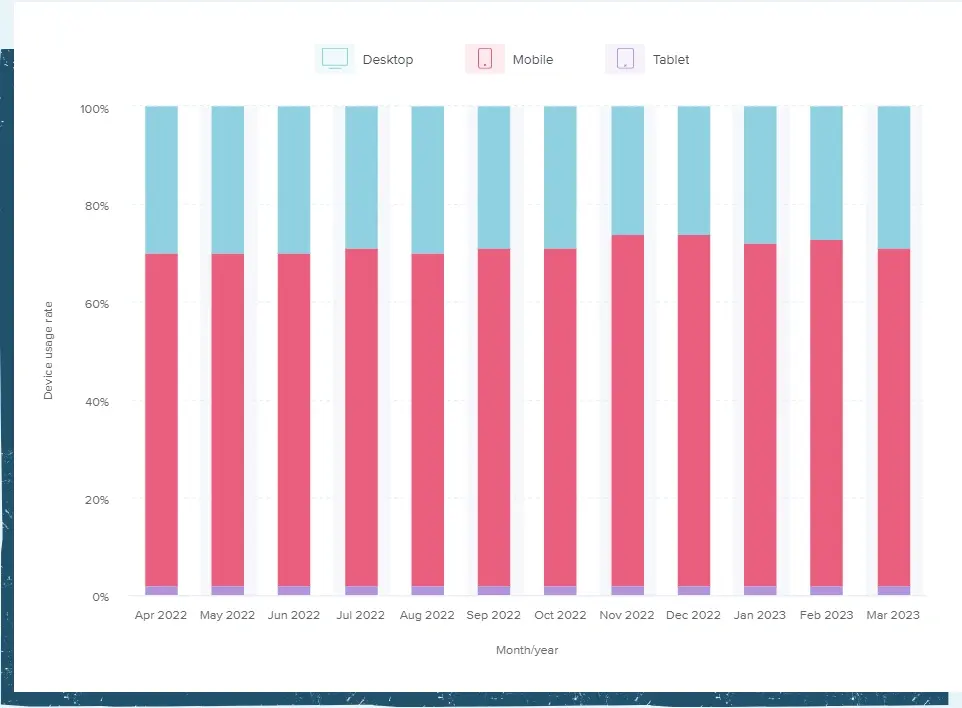
The data reveals a clear preference for mobile engagement. Mobile devices not only draw the largest number of new users at 65% but also generate the highest percentage of returning visitors at 74%. People spend an average of three hours and 15 minutes on their phones daily, using them to browse social media, read news, and discover new products. This high-frequency usage creates multiple touchpoints for brands to engage with consumers throughout the day.
However, higher traffic does not automatically translate to higher conversions on mobile. The average e-commerce conversion rate on mobile is 2.49%, compared to 5.06% on desktop. This gap highlights the challenge of designing for smaller screens while maintaining functionality. Businesses must optimize for ease of use, fast load times, and clear navigation to bridge this conversion gap. A well-designed mobile experience can significantly improve time on site and overall revenue potential.
Why Mobile Apps Remain a Strategic Decision
While mobile web design is essential, the decision to build a dedicated mobile app requires careful consideration. Currently, 32% of small businesses already have a mobile app, and 42% plan to build one in the future. These companies often seek to enhance customer service or streamline the purchasing process through a dedicated platform. Apps can offer a more personalized and seamless experience, fostering deeper brand loyalty.
Conversely, 26% of small businesses are unlikely to ever release a mobile app. This hesitation often stems from budget constraints, lack of marketing capabilities, or a belief that an app does not align with their business model. For many service-based or informational websites, a highly optimized mobile web presence may be more cost-effective and reach a broader audience without the friction of app downloads.
The choice between a mobile-optimized website and a native app depends on industry, target audience, and resources. A mobile website ensures accessibility for all users, while an app can provide advanced features and offline capabilities. Businesses should evaluate their specific goals and user needs before committing to app development.
Responsive Design and User Retention
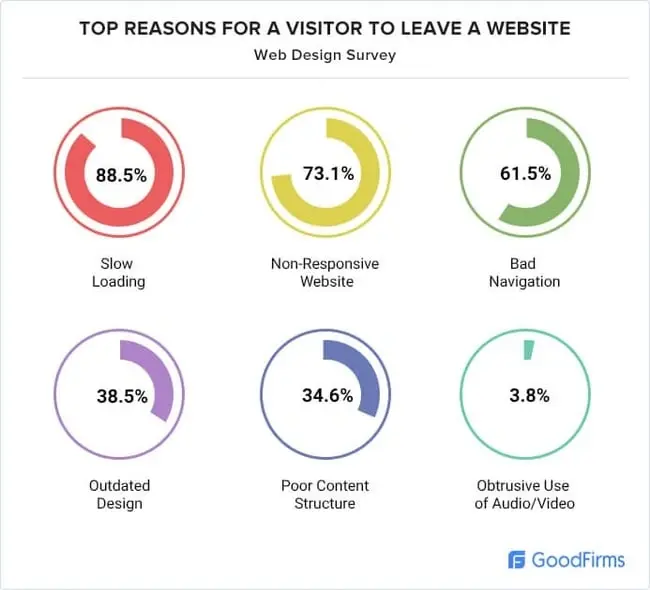
A non-responsive design is the primary reason visitors leave a website, according to 73.1% of web designers. In an era where billions of people access the internet via smartphones, tablets, and desktops, a website must adapt fluidly to different screen sizes. A fixed layout that requires horizontal scrolling or zooming creates immediate friction, driving users away before they engage with your content.
This issue is so prevalent that 53.8% of web designers cite “not being responsive on all devices” as a top reason for a website redesign. Other common triggers for a redesign include low conversion rates, high bounce rates, and poor user experience (UX). Often, these symptoms are directly linked to a lack of responsiveness. Fixing the foundational structure of a site can resolve multiple performance issues simultaneously.
Beyond responsiveness, functionality plays a crucial role in retention. Forty-two percent of people will leave a website due to poor functionality. This includes broken links, slow loading speeds, confusing navigation, and forms that do not work correctly. Design is not just about aesthetics; it is about creating a functional environment where users can achieve their goals effortlessly.
The Impact of Outdated Design on Credibility
Design trends evolve rapidly, and a website that looks stale can undermine a brand’s credibility. Thirty-eight point five percent of web designers believe that outdated design is a top reason visitors leave a site. The average lifespan of a website is estimated to be between 1.5 and 2.5 years. After this period, incorporating new design trends and technologies becomes necessary to keep the site feeling fresh and competitive.
An outdated design signals to users that a business may be lagging behind industry standards. In contrast, a modern, clean interface suggests professionalism and attention to detail. Regular updates to visual elements, typography, and layout can help maintain a strong brand image and keep users engaged.
Visual Elements and First Impressions
First impressions are formed quickly, with 94% of initial judgments about a website related to its design. This statistic underscores the importance of visual appeal in establishing trust and credibility. Users decide within seconds whether to stay on a site or leave, making the visual hierarchy and aesthetic quality critical components of web design.
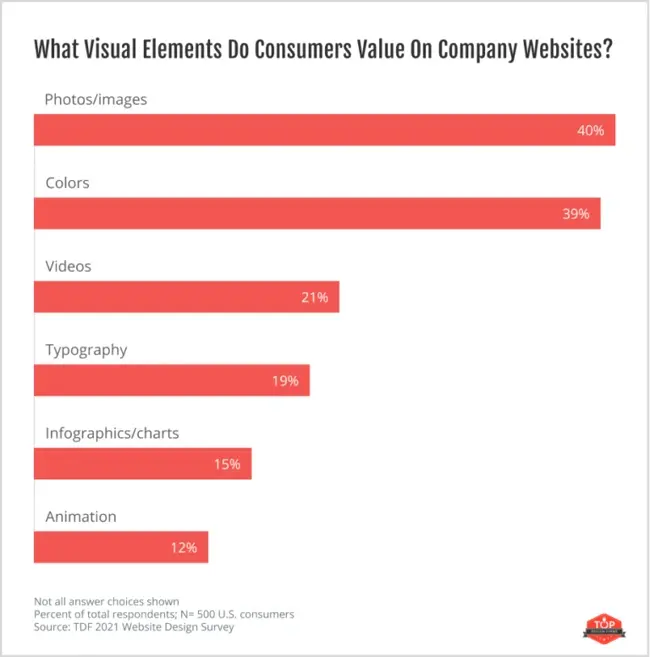
When evaluating a company website, consumers prioritize specific visual elements. Forty percent value high-quality images, 39% appreciate effective use of color, and 21% look for video content. These elements work together to create an engaging narrative that communicates brand values and product benefits. Investing in professional photography and a cohesive color scheme can significantly enhance the perceived value of a brand.
Color psychology plays a subtle but powerful role in web design. Thirty-nine percent of consumers appreciate color more than any other design component. A well-chosen color scheme can reinforce brand identity, improve readability, and guide user attention. Primary, complementary, and analogous color schemes are popular choices, each offering different visual dynamics. The key is to strike a balance between eye-catching appeal and professional restraint.
The Power of Whitespace and Layout
Whitespace, or negative space, is often overlooked but is essential for a clean design. Only 8% of consumers consciously notice whitespace when viewing a website for the first time. However, its presence significantly impacts readability and user focus. Strategic use of whitespace helps draw attention to key elements, such as calls to action (CTAs), and makes content easier to digest.
Layout and navigation are also critical. Thirty-eight percent of first-time visitors look at a page’s layout or navigational links to understand how to move through the site. A confusing structure or hidden menu can lead to immediate abandonment. Clear, intuitive navigation ensures that users can find what they need without frustration, enhancing the overall user experience.
E-Commerce Optimization and Conversion
For online retailers, web design directly impacts revenue. The global e-commerce sales reached $1.03 trillion in 2022, growing by 7.7% year over year. This growth highlights the increasing shift toward digital shopping. Businesses must ensure their websites are optimized for conversion, offering a seamless path from product discovery to purchase.
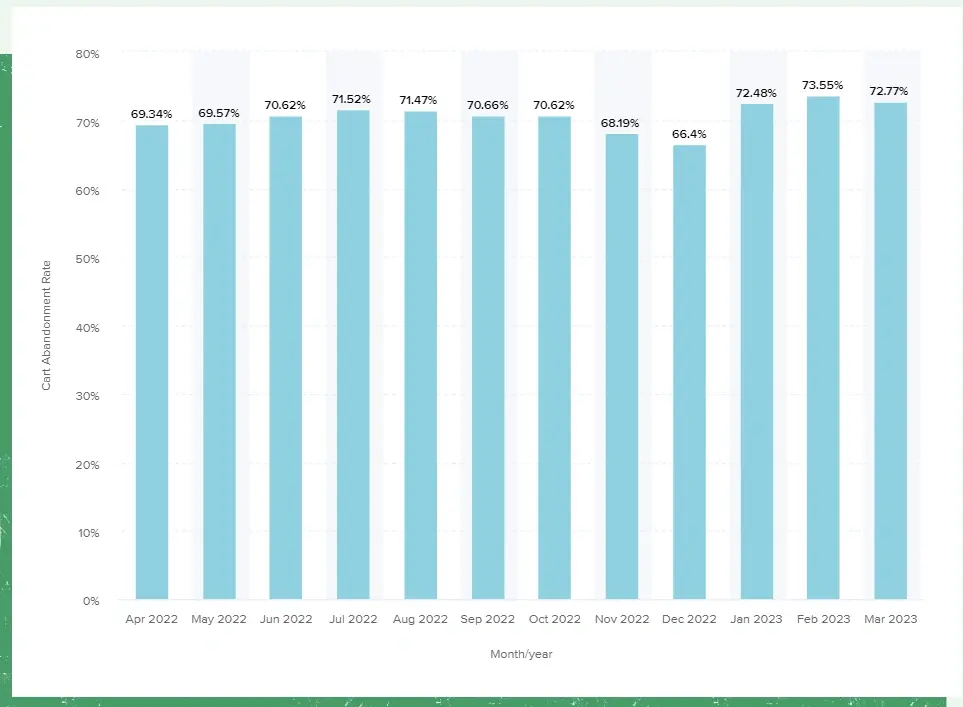
Cart abandonment remains a significant challenge, with a rate of 72.77% as of March 2023. Twenty-one percent of these abandonments are due to complicated or lengthy checkout experiences. Simplifying the checkout process, reducing form fields, and offering multiple payment options can help recover lost sales. Heatmaps and session recordings are valuable tools for identifying friction points in the user journey.
Usability is a top priority for online shoppers. Sixty percent of consumers rate usability as an important design characteristic for an online shop. This includes easy navigation, fast load times, and mobile responsiveness. A user-friendly interface builds trust and encourages repeat visits, contributing to long-term customer loyalty.
The Cost and Value of Professional Web Design
Building a professional website requires investment. On average, hiring an agency or freelancer to build a website costs between $12,000 and $150,000. This wide range reflects the complexity of the project, including design customization, functionality, content creation, and e-commerce integration. A higher budget often correlates with more advanced features and a unique brand experience.
Despite these costs, 23% of small retail businesses do not have a website. Of those, 24% cite a lack of knowledge on how to create and run one as the primary barrier. The rise of user-friendly content management systems and website builders has lowered the entry threshold, enabling more businesses to establish an online presence. However, for brands seeking competitive differentiation, professional design remains a valuable investment.
The Growing Web Design Industry
The demand for web developers and designers is rising. In 2021, there were approximately 191,100 web developers and designers in the United States, a number projected to grow to over 205,000 by 2031. This represents a 23% growth rate, much faster than the average for all occupations. The continued popularity of mobile devices and e-commerce is driving this demand.
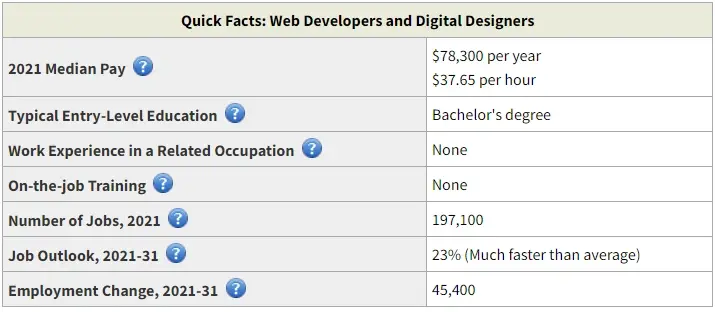
Compensation in this field reflects its value. The median annual wage for web developers was $77,030, and for digital designers, it was $79,890 in May 2021. The lowest 10% earned less than $40,750, while the highest 10% earned more than $146,430. These figures highlight the potential for career advancement and the importance of specialized skills in the digital economy.
Webmasters track various metrics to gauge performance. On average, they receive 353,370 unique visitors per month to their primary website. The most important metrics they monitor include sales, leads, and conversion rates (31%), total monthly visitors (30%), and click-through rate (28%). These data points provide insights into the effectiveness of the website in achieving business goals.
Future Trends in Web Design
As technology evolves, so do user expectations. The integration of AI and automation in content creation and optimization is becoming increasingly common. Tools like the AI Website Generator and AI Content Writer are helping businesses produce high-quality, relevant content at scale. This shift allows brands to maintain a consistent presence across various digital channels.
Generative search optimization (GEO) is emerging as a critical strategy for visibility in AI-driven search results. Ensuring that content is structured and optimized for AI parsing can enhance brand presence in these new ecosystems. Businesses that adapt to these changes will be better positioned to capture attention in a crowded digital landscape.
The future of web design lies in creating personalized, accessible, and efficient experiences. By leveraging data-driven insights and staying ahead of design trends, businesses can build websites that not only look good but also perform well. The key is to focus on the user, understanding their needs and providing solutions that enhance their journey.
Key Takeaways for Web Design Success
Web design is a dynamic field that requires continuous attention and adaptation. From mobile optimization to visual appeal, every element plays a role in shaping user perception and driving conversions. Businesses should prioritize responsive design, clear navigation, and high-quality visuals to create a positive first impression.
Regular audits and updates are essential to keep a website relevant and competitive. Monitoring metrics such as bounce rate, conversion rate, and user engagement can provide valuable insights for improvement. Investing in professional design and development can yield significant returns in terms of brand credibility and customer acquisition.
As the digital landscape continues to evolve, staying informed about industry trends and best practices is crucial. By focusing on user experience and leveraging modern tools, businesses can create websites that stand out and achieve their strategic goals.





