Your website serves as the primary digital storefront for your brand. It is where potential customers form their first impressions, learn about your value proposition, and decide whether to engage further. As technology evolves, the expectations for what a high-quality website looks and feels like continue to shift. Staying current with web design trends is not just about aesthetics; it is about ensuring your site remains functional, trustworthy, and competitive in a crowded digital landscape.

We do not advocate for adopting every emerging trend. In fact, indiscriminate adoption can lead to a cluttered, confusing user experience. Instead, understanding the broader movements in design allows you to select elements that align with your brand identity and business goals. Whether you are looking to enhance user engagement, improve conversion rates, or simply modernize your visual presence, knowing which trends resonate with your audience is crucial.
This article explores 29 significant web design trends that are defining the digital experience in 2024. We break down these trends into three key categories: visual and interactive aesthetics, structural and navigational innovations, and strategic user experience enhancements. By examining these elements, you can make informed decisions about how to elevate your own website.
Visual and Interactive Aesthetics
Visual aesthetics set the tone for your brand. They communicate personality, values, and quality before a single word is read. In 2024, the visual landscape is characterized by a blend of nostalgia, bold experimentation, and immersive depth. Designers are moving away from flat, sterile layouts toward more dynamic, textured, and emotionally resonant visuals.
Motion and Immersion
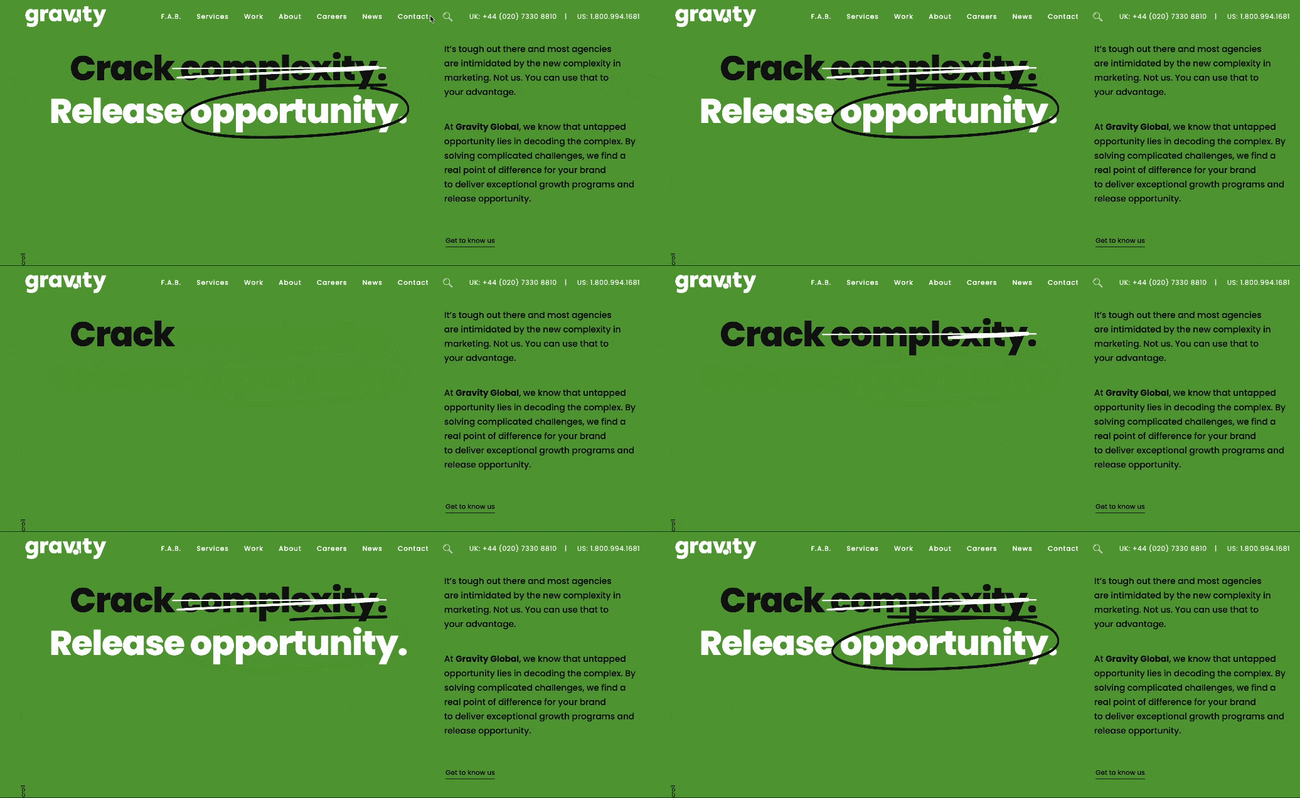
Motion is a dominant theme in modern web design. It is no longer limited to simple hover effects. Kinetic typography, for instance, uses animated text to grab attention and guide the visitor’s eye. Originating from film title sequences, this technique brings static headlines to life, making them more memorable and engaging. Similarly, cinemagraphs—subtle, looping video animations—add a layer of sophistication to static pages. They draw the eye without overwhelming the user, creating a sense of calm movement that encourages continued scrolling.
3D design is also gaining significant traction. With tools like Adobe’s 3D Modeler and Blender, creating immersive 3D elements has become more accessible. These elements add depth and realism, allowing users to interact with products or concepts in a more tangible way. This trend is particularly effective for tech brands and e-commerce sites looking to showcase product details or create a futuristic brand image.
Nostalgia and Texture
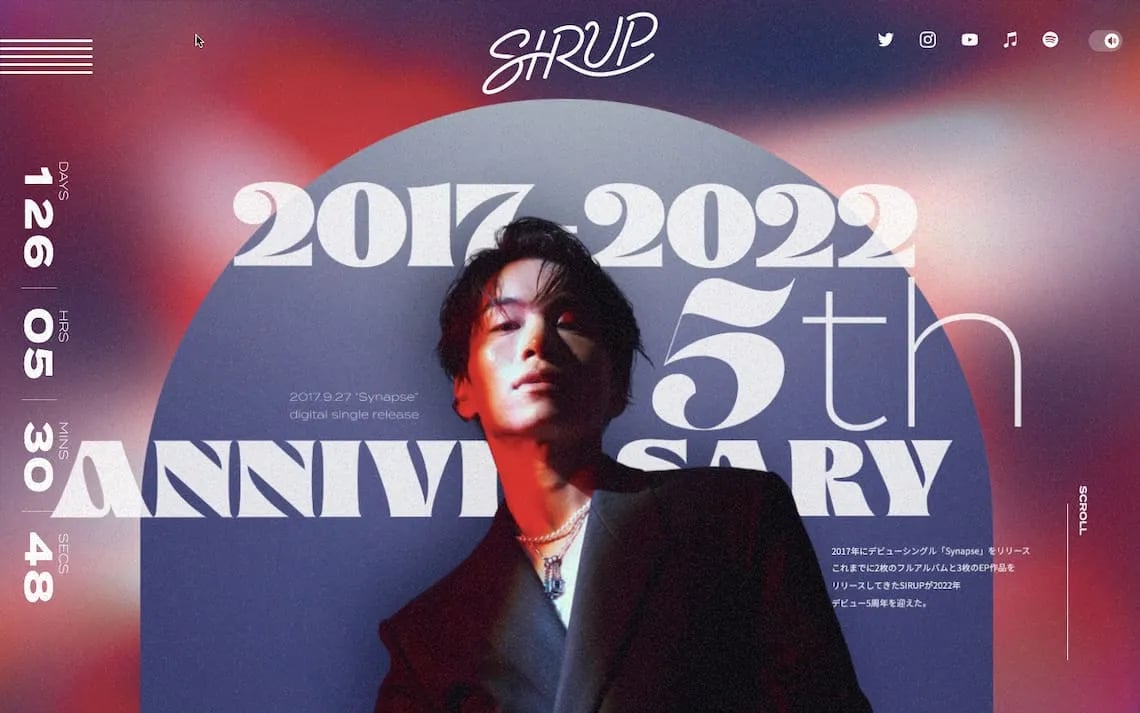
Nostalgia is a powerful design driver. The Y2K aesthetic, with its playful, futuristic, and slightly chaotic energy, has made a strong comeback. Brands are incorporating bright colors, metallic tones, and retro fonts to evoke a sense of fun and familiarity. This trend is not just about looking back; it is about reinterpreting past styles for a contemporary audience.
Similarly, the scrapbook aesthetic is evolving. Modern versions are more interactive and polished, moving beyond the rough, handmade look of the early 2010s. This style feels personal and authentic, helping brands connect with users on a human level. Natural and organic textures are also popular, adding tactile depth to digital spaces. These textures can evoke feelings of sustainability and warmth, making them ideal for brands that want to emphasize eco-friendliness or artisanal quality.
Bold Typography and Color
Typography is taking center stage. Goofy sans serif fonts, with their cartoon-inspired shapes and retro flair, are being used by brands that want to appear approachable and fun. On the other end of the spectrum, structured typography—using all caps and strong, solid shapes—conveys stability and authority. This style is particularly effective in post-pandemic contexts where users crave order and clarity.
Color palettes are also shifting. Pastel colors offer a gentle, whimsical alternative to high-contrast designs, providing a sense of levity and calm. Meanwhile, colorful gradients continue to be a popular choice for adding visual excitement without cluttering the layout. When used correctly, gradients can create a sense of depth and movement, guiding the user’s eye through the page.
Structural and Navigational Innovations
Structure and navigation are the backbone of a good user experience. They determine how easily users can find what they need. In 2024, designers are challenging traditional grid systems and navigation patterns to create more engaging and intuitive journeys.
Breaking the Grid
Traditional grids are efficient, but they can feel predictable. Broken grids, which intentionally disrupt the standard layout, are becoming more common. By overlapping text and images, or placing elements in unexpected positions, designers can create visual interest and a sense of motion. This approach requires careful execution to ensure usability is not compromised, but when done well, it can make a site feel more dynamic and creative.
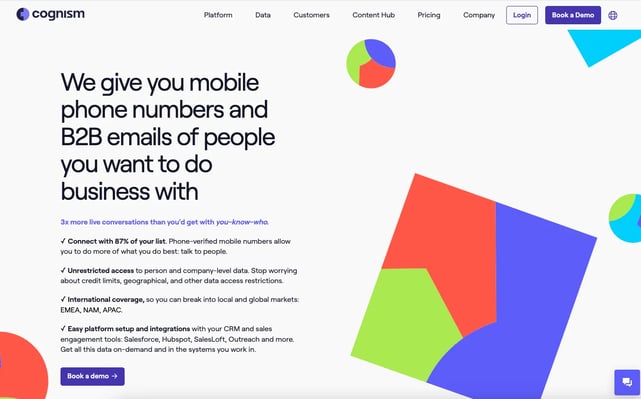
Organic shapes are another way to break away from rigid structures. Curved lines and fluid forms soften the digital space, adding a sense of playfulness and movement. These shapes can be used as decorative elements or to frame content, helping to guide the user’s eye without feeling restrictive.
Experimental Navigation
Navigation is no longer confined to the top of the page. Experimental navigation patterns are emerging, offering more creative ways to guide users. Circular menus, hidden drawers, and scroll-triggered navigation bars are just a few examples. These approaches allow brands to integrate navigation into their overall design aesthetic, making it a more cohesive part of the user experience.
Layering is also a key structural trend. By stacking images, colors, and animations, designers can create depth and complexity. This technique is particularly effective for sites with minimal text, as it allows visual elements to tell the story. Layering can help convey a brand’s narrative in a more immersive way, encouraging users to explore the site further.
Minimalism and Clarity
Despite the trend toward complexity, minimalism remains strong. Ultra-minimalism takes this to the extreme, stripping away all but the essential elements. This approach can improve load times and reduce cognitive load, making it easier for users to focus on the core message. Text-only designs, which rely on straightforward copy without images, are also gaining traction. This style emphasizes clarity and directness, ensuring that the most important information is front and center.
Grid lines are another tool for enhancing clarity. By adding visible lines to the layout, designers can create a sense of order and structure. This trend is particularly popular in tech and data-driven industries, where precision and organization are valued. Grid lines can help users digest complex information more easily, improving the overall user experience.
Strategic User Experience Enhancements
User experience (UX) is the foundation of any successful website. Trends in UX are focused on making sites more intuitive, engaging, and conversion-driven. In 2024, the emphasis is on creating seamless, personalized journeys that guide users toward their goals.
Interaction and Control
Users want to feel in control of their experience. Drag interactions allow visitors to manipulate elements on the page, such as moving images or scrolling through content. This hands-on approach creates a sense of agency and engagement, particularly for e-commerce and portfolio sites. Dynamic cursors are another way to enhance interaction. By changing the cursor’s appearance or behavior, designers can add a playful, interactive element that encourages users to explore the site.
Gamified design is also becoming more prevalent. By incorporating game-like elements, such as rewards, challenges, or progress bars, brands can increase user engagement and retention. This approach taps into human psychology, making the user experience more memorable and enjoyable.
Conversion and Strategy
Design is not just about aesthetics; it is about driving results. Conversion strategy is a critical trend in 2024. This involves designing sites with a clear focus on guiding users toward specific actions, such as making a purchase or signing up for a newsletter. Data-driven design decisions, clear call-to-action buttons, and social proof are all key components of this approach.
Product photography is also playing a larger role in conversion strategy. High-quality, immersive images of products help users visualize what they are buying, reducing uncertainty and increasing confidence. For e-commerce sites, this trend is essential for building trust and driving sales.
Accessibility and AI
Accessibility is a non-negotiable aspect of modern web design. Trends in UX are increasingly focused on ensuring that sites are usable by everyone, regardless of ability. This includes clear typography, high-contrast colors, and intuitive navigation. Generative AI is also playing a role in enhancing accessibility. AI-powered chatbots, for example, can provide instant, personalized support, making it easier for users to find the information they need.
Custom illustrations and animations are another way to enhance UX. These elements can add personality and clarity to a site, helping to explain complex concepts or guide users through a process. When used thoughtfully, they can make the user experience more engaging and memorable.
Implementing Trends for Your Brand
Choosing which trends to implement depends on your brand’s goals and audience. Not every trend will be appropriate for every site. The key is to select elements that enhance your brand identity and improve the user experience.
Start by auditing your current site. Identify areas where the design feels outdated or where the user experience could be improved. Then, consider which trends align with your brand values and business objectives. For example, if you are a tech company, 3D design and sci-fi aesthetics might be a good fit. If you are a lifestyle brand, organic shapes and natural textures might be more appropriate.
Remember that trends evolve. What is popular today may be outdated tomorrow. Focus on creating a timeless, user-centric design that can adapt to changing trends. By staying informed and thoughtful in your approach, you can ensure that your website remains a powerful tool for your business.
What design trends do you think will have the most impact on your industry in the coming years?





