Virtual offsite meetings allow distributed teams to align on goals and foster connection without the logistical burden of travel. While the term might seem contradictory, a well-structured virtual event can replicate the benefits of an in-person gathering. By focusing on intentional design, interactive formats, and manageable time blocks, organizations can avoid the fatigue associated with long hours on video conferencing software.
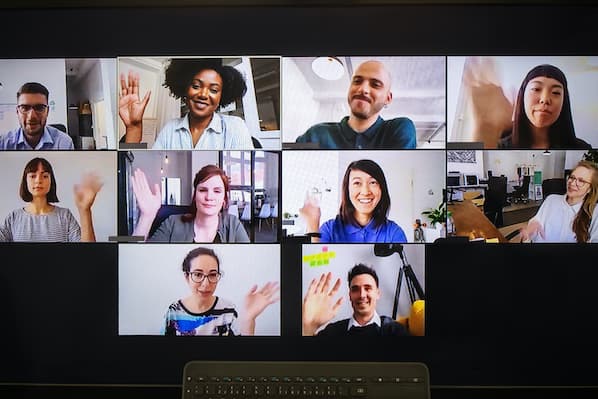
A virtual offsite meeting is a structured, remote-first event designed to facilitate strategic planning, team bonding, and professional development for distributed employees. These events replace traditional travel-based retreats by utilizing digital tools to create immersive, collaborative environments that sustain engagement across time zones. When executed correctly, these gatherings serve as a cornerstone for maintaining company culture in a permanently remote or hybrid environment.
The success of these events hinges on moving away from the “meeting-as-usual” mindset. Instead of back-to-back video calls, organizers should view the offsite as a deliberate experience that requires a distinct beginning, middle, and end. By setting clear expectations and providing the necessary resources beforehand, teams can transition from a state of individual productivity to collective alignment.
Leveraging Virtual Reality for Immersive Connection
Virtual reality technology can bridge the physical distance between team members by creating shared digital spaces that feel more tangible than standard video calls. When teams utilize VR, they often report a greater sense of presence and belonging, as the technology allows for spontaneous, casual interactions that are difficult to replicate in a two-dimensional grid.
The Loom VR Approach
Loom demonstrated the potential of this technology by shipping Oculus Quest 2 headsets to team members for their 2020 offsite. By limiting video conferencing to two hours per day and moving the remainder of the event into a virtual reality environment, they kept engagement high while avoiding digital burnout. They collaborated with partners to build a custom virtual island specifically for watercooler conversations, icebreakers, and social hours. This shift allowed team members to move their avatars through a digital landscape, creating a sense of movement and agency that is entirely absent from static camera views.
Why Immersive Spaces Matter
The psychological impact of occupying a shared, albeit digital, space cannot be overstated. In a traditional video call, participants are confined to a flat frame, often leading to a sense of isolation. In a VR environment, the spatial audio and the ability to “walk” toward a colleague for a private chat mimic real-world office dynamics. This proximity encourages the kind of serendipitous collaboration that often leads to innovative problem-solving.
Practical Considerations for VR Offsites
- Accessibility: Ensure that any VR experience remains optional or accessible via desktop for those who may not have access to a headset. Not every team member will be comfortable with hardware; providing a web-based bridge ensures inclusivity.
- Employee Input: Use surveys or forms to gather activity ideas directly from the team to ensure the sessions resonate with their interests. When employees help shape the environment, they are more likely to participate actively.
- Unstructured Time: Build in periods where employees can step away from the virtual environment to handle their normal tasks, preventing the feeling that the offsite is an added workload.
- Technical Support: Assign a dedicated “tech lead” who can assist with troubleshooting hardware or software issues in real-time, ensuring that technical friction does not derail the event.
Designing Interactive and Purpose-Driven Agendas
First Round Review prioritized interactivity by moving away from passive presentations and toward a mix of active, team-focused exercises. Their strategy centered on predefined objectives, categorizing outcomes into task-based goals and team-building milestones. By varying the format of sessions, they maintained participant attention and energy throughout the event.
Enhancing Engagement with Kits and Themes
To build anticipation, First Round Review sent physical kits to employees that remained sealed until the start of the event. These kits included coffee, candy, and a kombucha starter kit, providing a tactile, shared experience that grounded the virtual event in reality. They also incorporated costumes and company merchandise, which helped foster a sense of unity and shared identity. The act of unboxing these items together creates a shared sensory experience, which is a powerful tool for building rapport in remote teams.
The Power of Tactile Experiences
Physical kits serve as a bridge between the physical and digital worlds. By providing items that team members can hold, smell, or consume simultaneously, the facilitator creates a “shared moment” that transcends the screen. This reduces the feeling of being a lone worker in a home office and reinforces the collective identity of the organization.
Structured Team Bonding Activities
- Cooking Challenges: Splitting the team into breakout rooms to cook live, followed by a presentation and voting phase, encourages creativity and casual conversation.
- Gratitude Exercises: Dedicating a specific meeting slot to anonymous, structured gratitude ensures every team member feels valued and acknowledged by their peers. This practice builds psychological safety, which is essential for high-performing teams.
- Professional Entertainment: Bringing in external talent, such as a magician, for a group dinner can break the monotony of standard corporate agendas. It provides a shared point of focus that is purely social, allowing team members to relax and bond without the pressure of work-related tasks.
- Collaborative Whiteboarding: Utilizing digital canvases for brainstorming sessions allows for non-verbal participation, giving introverted team members a platform to contribute their ideas alongside more vocal colleagues.
Managing Time and Energy Levels
Effective virtual offsites require careful attention to the duration and rhythm of sessions, as the digital environment can be more draining than physical interactions. The Wikimedia Foundation Product team addressed this by limiting their sessions to four hours per day, divided into two-hour blocks separated by significant breaks. This structure allowed for focused work while acknowledging the reality of remote work-life balance.
Balancing Low and High Energy Sessions
It is essential to sequence sessions based on the energy required for participation. Low-energy sessions, such as Q&A panels with leadership, should be followed by high-engagement, interactive tasks. This ebb and flow keeps the team alert and prevents the sense of stagnation that often accompanies long-form video meetings. By alternating between listening and doing, organizers can sustain focus over the course of several days.
The Importance of Rhythmic Scheduling
When planning the agenda, consider the time zones of all participants. A “one-size-fits-all” schedule often fails to account for the peak productivity hours of team members in different regions. Breaking the event into manageable chunks allows participants to attend to their personal needs, such as childcare or exercise, which ultimately leads to a more energized and present group during the scheduled sessions.
Hands-on Productive Sessions
- Feature Prototyping: Having team members build a homepage for newcomers based on existing features allows them to engage directly with the product they manage, reinforcing their understanding of the user experience.
- Educational Deep Dives: Inviting specialists to guide the team through a step-by-step process—such as the Wikipedia editing workflow—provides practical insights that are often lost in general presentations.
- Cross-Departmental Shadowing: Pairing employees from different departments for short, guided sessions helps build empathy and understanding of the challenges faced by other teams, which is vital for long-term organizational success.
- Feedback Loops: Dedicating time for structured feedback on the offsite itself allows the team to feel heard and ensures that future events are even better tailored to their needs.
Key Takeaways for Remote Planning
Creating a successful virtual offsite is less about the complexity of the tools and more about the thoughtfulness of the agenda. The most effective events rely on a blend of high-engagement activities, clear communication of objectives, and respect for the attendees’ time. When you prioritize human connection and interactive, purposeful content, you can host a productive offsite that genuinely strengthens your team’s cohesion. Remember that the goal is not to replicate the office, but to create a new, intentional space where the team can thrive together.





