Live video has transitioned from a niche social experiment into a fundamental pillar of modern content strategy. With audiences consuming billions of hours of streaming content annually, the pressure on brands to participate is high. However, the sheer volume of available content means that merely going live is no longer enough to capture attention. To succeed in this space, you must align your production with what viewers are genuinely seeking. The shift from passive consumption to active participation means that viewers now demand more than just high-quality visuals; they require substance that justifies the time they invest in watching.
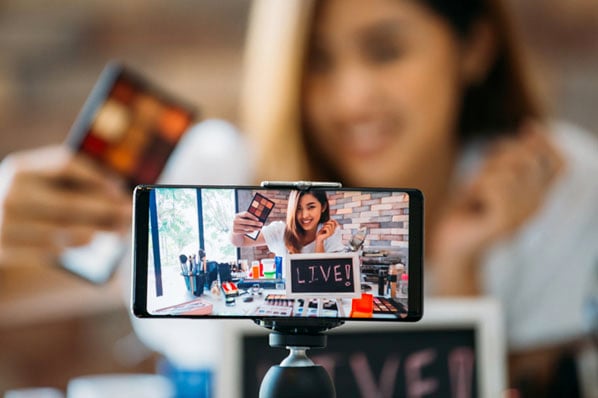
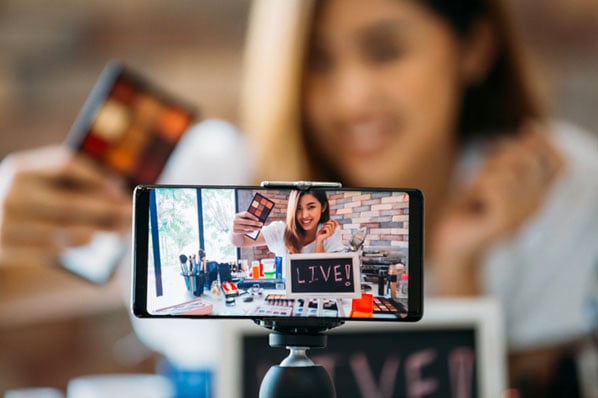
Many brands mistakenly prioritize high-production entertainment or behind-the-scenes glimpses, assuming these formats drive the highest engagement. Recent consumer research suggests a different reality: viewers are most likely to tune in for content that provides tangible educational value. When individuals decide to click on a live stream, they are typically looking to learn, solve a problem, or gain access to expertise that isn’t readily available in static formats. Understanding this intent is the first step toward building a sustainable live video presence. By focusing on utility, you transform your channel from a promotional outlet into a destination for growth.
The Most Effective Types of Live Video
Educational content consistently outperforms purely entertainment-based streams in direct viewer engagement. According to consumer surveys regarding live video preferences, the top formats are those that respect the viewer’s time by offering specific, actionable knowledge. The following three formats represent the most effective ways to drive consistent viewership while establishing your brand as a helpful authority in your industry.
1. Live Q&A Sessions
Live Q&A is a highly efficient format because it facilitates direct interaction while minimizing production costs. By hosting an expert—whether it is a thought leader in your field or an internal specialist—you create a bridge between your audience and the knowledge they seek. Viewers are often drawn to these sessions because they offer a rare chance to have their specific questions addressed in real time. This responsiveness builds trust and demonstrates that your brand is accessible and genuinely interested in the challenges your customers face.
To make these sessions successful, you should encourage pre-submission of questions via social media polls or email newsletters. This ensures the conversation starts with substance even before the first viewer joins. During the session, prioritize answering questions that highlight common pain points rather than just those that praise your products. This approach validates the audience’s concerns and positions your brand as a partner in their success.
2. Live Product Tutorials
While pre-recorded product demos offer the advantage of polish and editing, live tutorials provide a layer of authenticity that is difficult to replicate. When a customer watches a live demonstration of a tool or service, they see the process unfold without the safety net of post-production cuts. This transparency is powerful. It allows potential buyers to visualize exactly how the product functions in a real-world setting, which often removes the hesitation that typically accompanies a purchase decision.
These tutorials should focus on specific use cases rather than general features. Instead of demonstrating every button on a dashboard, show the audience how to solve a specific, high-frequency problem they encounter. By walking them through a “day in the life” scenario, you demonstrate the practical utility of your offering, which is far more persuasive than a list of technical specifications.
3. Industry-Focused Educational Content
Broad educational content allows you to engage your audience even when you are not explicitly discussing your own products. By streaming how-to guides or explainers relevant to your broader industry, you position your brand as a helpful resource rather than just a vendor. For example, a restaurant might stream a cooking technique, or a fitness brand might demonstrate a specific workout routine. These sessions prove your team’s depth of knowledge and keep your audience returning for consistent, valuable insights.
This format is particularly effective for top-of-funnel engagement. By addressing industry trends, regulatory changes, or emerging best practices, you attract viewers who are interested in the subject matter but may not yet be in the market for your specific product. Over time, this builds a community of informed followers who trust your brand as a primary source of information, significantly increasing the likelihood of conversion when they are ready to buy.
Strategic Considerations Before Going Live
Transitioning to a live strategy requires more than just a camera and an internet connection. Before you launch your first stream, you must evaluate how your content fits into the broader digital ecosystem. The following factors are essential for ensuring your live efforts reach the right people and deliver the expected results.
| Consideration | Why It Matters |
|---|---|
| Platform Selection | Different social platforms host distinct demographics; choose one that aligns with your target audience. |
| Planning & Outlining | A structured outline prevents rambling and keeps the stream focused on the value you promised the viewer. |
| Interactive Elements | Actively engaging with comments during the stream is what differentiates live video from static recorded content. |
Platform Alignment
Selecting the right platform is perhaps the most critical logistical step. You must analyze where your target demographic spends their time. If your brand operates in the B2B space, LinkedIn Live may provide more professional engagement than Instagram. Conversely, if your product is visually driven or consumer-facing, platforms like Instagram or TikTok offer better discoverability. Do not attempt to be everywhere at once; choose one platform and master its specific tools and audience expectations before expanding.
Preparation and Structure
While the stream should feel natural, having a clear outline ensures that you cover the necessary points without losing the thread of the conversation. Start with a hook that clearly states what the viewer will learn, followed by a logical progression of points. Always include a “call to action” at the end, but ensure it is tied to the educational value provided—such as downloading a white paper or signing up for a deeper-dive webinar—rather than a hard sales pitch.
Interaction Management
Never treat the comment section as an afterthought. Acknowledging questions or feedback in real time is the primary mechanism for turning a passive viewer into an active participant. Assign a moderator to track the chat and surface the most relevant questions to the host. This keeps the stream moving efficiently while ensuring that the audience feels heard and valued.
The Role of Authenticity in Live Engagement
What is the most effective way to engage audiences through live video? The most effective types of live video are educational sessions, such as live Q&As, product tutorials, and industry-related how-to guides, which prioritize providing actionable knowledge over scripted entertainment. By focusing on these formats, brands can build trust, demonstrate expertise, and foster genuine interaction with their audience.
As you integrate these formats into your content calendar, remember that the goal is not to produce a television-quality broadcast, but to facilitate a meaningful exchange. Audiences today are highly adept at identifying inauthentic interactions. When you go live, your focus should remain on delivering value and being present for your community. If you approach live video as a tool for teaching and connecting rather than just another channel for promotion, the engagement will naturally follow.
Why Authenticity Matters
Modern viewers value transparency over perfection. When a technical glitch occurs or a question is particularly challenging, handling it with grace and honesty increases your credibility. Avoid over-scripting your sessions; instead, rely on your expertise and the outline you prepared. This allows your personality and the brand’s voice to shine through, creating a human connection that pre-recorded content simply cannot match.
Measuring Success
The most successful live streams are those where the viewer walks away feeling more informed than when they arrived. Track metrics beyond just live viewer counts. Look at the quality of the questions asked, the duration of the watch time, and the subsequent engagement on your social channels. These indicators will tell you if your educational content is resonating and where you might need to adjust your approach to better serve your audience’s needs. By treating every stream as a learning opportunity for both you and your viewers, you ensure that your live video marketing remains a valuable asset for years to come.





