Affiliate marketing is not a passive income stream you can set and forget. It demands significant time, effort, and dedication. But the challenge is precisely what makes it rewarding. The key to making it worthwhile lies in using strategies that maximize your return on investment. Here are core approaches to help you increase revenue and build a sustainable affiliate business.
Humanize Your Brand With Authentic Experience
Even in the B2B space, you are speaking to people, not faceless entities. Treating your audience as a transaction will not set you apart. People respond to personal and relatable interactions because they tap into our innate desire for connection. Your audience consists of individuals with distinct interests and needs. By humanizing your brand and focusing on authentic interactions, you create meaningful connections that drive better results. Understanding their perspective and tailoring your approach to resonate on a personal level makes a tangible difference in maximizing your affiliate marketing ROI.
Use AI as a Tool, Not a Replacement
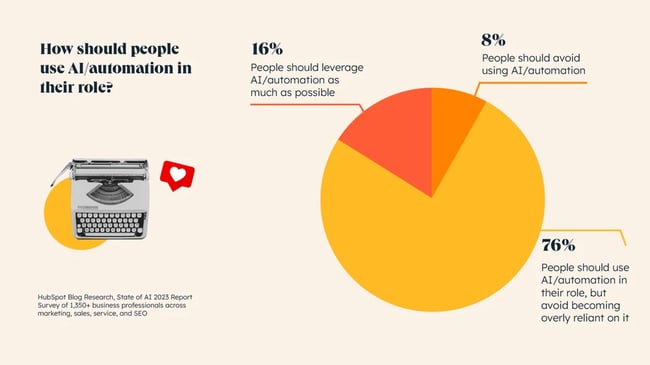
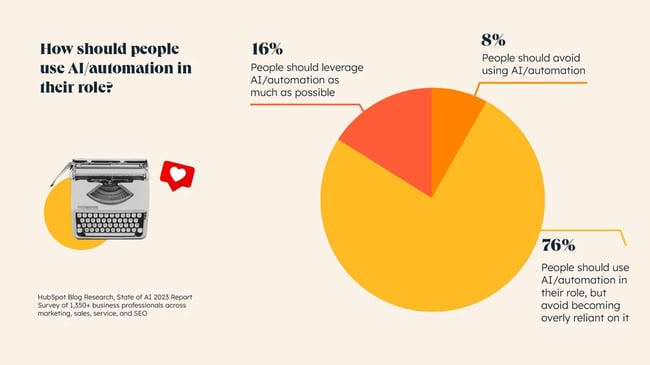
Artificial intelligence is one of the most significant technological advances in recent decades. Many professionals are fascinated by its potential, while others remain skeptical. A recent study by HubSpot found that 76% of business professionals believe people should use AI and automation in their roles but avoid becoming overly reliant on it. AI enables humans to work more efficiently, but it should not do all the work for you. To succeed as an affiliate marketer, your audience must care about your perspective. You build loyalty by engaging them with your experience, wisdom, and creativity — qualities that AI lacks. AI can also make mistakes, outputting false information without your knowledge. Relying solely on generated content without verification is risky.
We encourage affiliate partners to use AI for specific tasks that boost productivity. These include brainstorming ideas, generating content outlines, writing catchy headlines, and rewriting existing content for different platforms. AI provides an extra boost when you hit a wall, but you remain responsible for creating something unique and valuable. Great content takes time, and AI simply helps you work faster.
This balanced approach ensures your content remains authentic while leveraging technology for efficiency. It allows you to scale your output without sacrificing the personal touch that drives conversions.
Experiment With Products and Share Findings
Personal experience with a product enhances your credibility and authenticity. Your recommendations carry more weight when your audience knows you have used and benefited from the product yourself. This is why social proof, such as user reviews, case studies, and customer testimonials, is so effective in the B2B SaaS market. Real users sharing their stories can be incredibly persuasive when those stories reflect satisfaction with a company’s products.
We encourage affiliate partners to test the HubSpot customer platform and document their usage. Consider creating content that discusses how you overcame a specific business challenge using the software, how you achieved new goals, or why you prefer it over a competitor’s solution. These prompts support your E-E-A-T strategy (Experience, Expertise, Authority, and Trust), which impacts how your content ranks in search engines. The E-E-A-T principles are part of Google’s Search Quality Rater Guidelines, a handbook used to assess content quality. The “experience” element highlights the importance of including relevant personal experience if you want to drive more traffic.
Sharing a unique perspective differentiates your content from company websites and generic reviews. When prospects are already leaning toward a product choice, they need less convincing. Giving your content a human touch with anecdotal evidence improves discoverability, builds trust, and compels readers to buy the products you promote.
Optimize Your Website Structure
Not every B2B affiliate marketer needs a website, but most do because it serves as a central hub for their online presence. Simply having a website does not help if it is not optimized for SEO and user experience. Strategically organizing everything on your site ensures your content is accessible, coherent, and valuable. Imagine your website as a well-organized library. Tidy shelves, clear signage, and easy navigation make it enjoyable for visitors to find information. Users do not want to navigate through a cluttered site. Keeping your digital library in order ensures a positive user experience.
Master Site Structure
At a macro level, organization refers to your website’s structure. Organizing content logically provides a clear roadmap for visitors to explore your site. A well-organized website also enhances SEO, helping search engines index and rank your content. You do yourself a disservice if your site lacks thoughtful organization. You might have the exact information a visitor seeks, but if they cannot find it quickly, they will leave without converting. Whether you publish blog posts, videos, courses, or ebooks, consider using categories to group related content.
For example, HubSpot’s blog homepage features a navigation menu with dropdowns for different content types. The “Blogs” tab offers several categories, grouping related topics into one bucket. Visitors can explore granular topics within each category. Easy navigation is almost impossible to compromise without sacrificing user experience. When Clutch surveyed 612 people, 94% said easy navigation is the most important website feature. Do not underestimate logical categorization and intuitive pathways when managing your content.
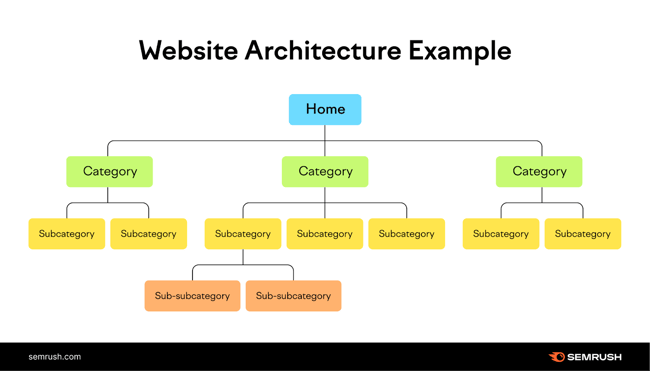
A clear site structure helps both users and search engines understand your content hierarchy. It reduces bounce rates and increases the likelihood of conversions by guiding visitors to the right information at the right time.
Refine Content Structure
Organization matters at the micro level of content creation. How you organize your thoughts determines whether visitors stay or leave. You can make every piece of content effective by focusing on three elements. First, make it skimmable. Adapt to shorter attention spans by using subheadings, bulleted lists, and bolded key phrases. Second, make it quotable. Provide valuable and memorable information that visitors want to share. Third, make it actionable. Define the next steps you want visitors to take after consuming your content.
Implement these principles by keeping paragraphs short, adding meaningful visuals like infographics and screenshots, and taking a thought leadership approach. Incorporate reliable statistics and concise, impactful statements. Provide clear calls-to-action. While these optimization ideas overlap across various formats, it is crucial to understand how audiences on different platforms prefer to engage. Tailoring your content structure to the medium ensures you meet user expectations and deliver value effectively.
Be Strategic With Your Links
You invest significant effort into creating content and driving traffic. The goal is to get as many people as possible to click your affiliate link and convert. Being strategic with link placements drives conversions effectively. By being selective, you create a more engaging and trustworthy experience for your audience. This ultimately leads to better results. Remember to track performance metrics and continuously experiment with new tactics. The affiliate marketing landscape is dynamic, and staying ahead requires constant adaptation.
Use the Right Links for the Context
Affiliate programs often provide a default link that routes to a generic “get started” page. If you promote a brand with multiple products and price plans, use product-specific landing pages depending on where your links are placed. We recommend using standalone product landing pages rather than generic website links. Landing pages have a single objective: getting visitors to complete a desired action. This focused approach increases conversion likelihood because there are no unrelated distractions or exit points.
For example, HubSpot’s customer platform includes CRM, marketing automation, email marketing, sales, and help desk tools. If an affiliate writes a listicle for “The Best Email Marketing Tools for Small Businesses,” they should use the email marketing affiliate landing page. Readers are interested in email marketing tools, so the corresponding landing page makes the most sense. Aligning your link destination with the user’s intent reduces friction and improves the chances of a successful conversion.
Disclose Your Links Transparently
Always be transparent about your affiliate partnerships. This maintains legal compliance and builds credibility with your audience. According to the Federal Trade Commission’s Endorsement Guidelines, you must “clearly and conspicuously” disclose your affiliate relationship when links are present. Readers should not have to search for the disclosure. Placing it in your website footer or navigation menu meets the requirement of having one, but it is not easy to see. Therefore, it does not meet the clarity requirement.
When in doubt, place your disclosure before your affiliate links at the beginning of your content or as close to the links as possible. You should disclose links wherever they appear, including social media posts. Many partners add a hashtag like #HubSpotaffiliate or #ad to their posts. Transparency fosters trust, and trust is the foundation of a successful affiliate relationship. Hiding your affiliation can damage your reputation and lead to legal issues.
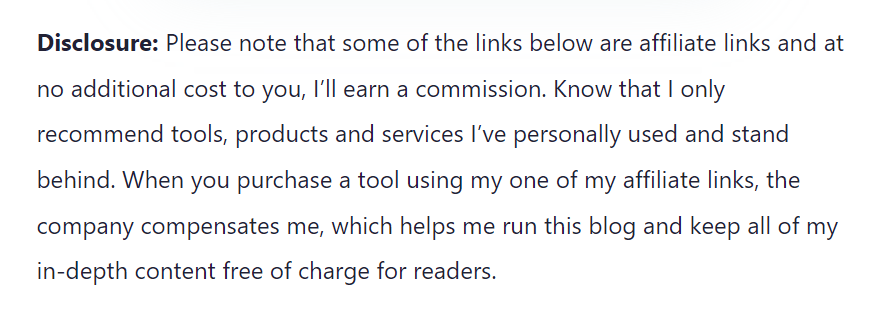
Clear disclosures reassure your audience that you are honest about your motivations. This honesty strengthens your brand’s integrity and encourages long-term loyalty from your readers.
Be Selective and Track Performance
Providing too many links overwhelms your audience. Focus on relevant and contextual link placement. Place affiliate links naturally within your content where they are genuinely helpful. Putting too much emphasis on links can be off-putting and steer visitors away. No one likes spammy content. If your content resembles a cluttered page with excessive links, rethink your placement strategy. Quality matters more than quantity when it comes to affiliate links.
Successful affiliate marketing comes down to maximizing outputs given your inputs. Analyzing performance metrics like click-through rates (CTR), conversion rates (CVR), and traffic sources is essential. This data helps you identify which links and strategies work well. Use these insights to optimize your efforts for better results. Experiment with different types of content, calls-to-action, and promotion channels. Testing allows you to discover what resonates best with your audience and adjust your strategy accordingly.
Target High Buyer Intent Keywords
When someone enters a search query, their intent varies. Some searches are purely informational, seeking general knowledge. These users are not actively looking to buy. Other searches are driven by buyer intent. These users are actively looking for a specific product. They have a clear purpose and are more likely to convert. Targeting high buyer intent keywords is a crucial strategy for every affiliate marketer. Customizing your content to meet immediate needs and offering valuable insights aligned with search intent captures attention when users are ready to purchase.
Identify Keywords With Strong Intent
Attract users closer to making a purchase by identifying keywords with strong buyer intent. For B2B, these keywords often include specific product names and terms like “best,” “top,” “review,” “rating,” “comparison,” “vs,” “alternatives,” “demo,” and “integration.” Understanding who you are trying to reach is key to optimizing for these searches. Tailoring content to different customer segments improves engagement and drives conversions. This strategy attracts better-qualified leads and achieves higher conversion rates, maximizing your earning potential.
The Search Engine Journal outlines several tips for executing this strategy. Use empathy to identify the pain points, needs, and preferences of potential customers. Find out which search queries currently drive traffic and conversions to your site. Investigate search queries within your target market. Lean on the expertise of your sales and customer service teams. Read comments on relevant YouTube videos, online forums, and social media posts to learn about your audience’s motivations and challenges. Gaining insight into search intent allows you to optimize your content effectively.
Align Content With User Needs
Once you understand the intent behind search queries, optimize your content accordingly. Create comprehensive guides, detailed reviews, and comparative analyses that address the specific questions and concerns of high-intent users. Provide clear answers and actionable recommendations. By aligning your content with user needs, you position yourself as a trusted resource. This trust translates into higher conversion rates and improved affiliate marketing ROI. Focus on delivering value at every stage of the buyer’s journey, from initial research to final decision.
The Power of a Helpful Approach
What is the common theme among these four strategies? They put your audience first. As an affiliate marketer, you must take a value-first approach rather than a sales-first approach. Being helpful by educating, inspiring, and building trust is a proven recipe for maximizing ROI. This philosophy underpins every successful affiliate program. When you prioritize the needs and interests of your audience, they reward you with their trust and business. Remember that affiliate marketing is a marathon, not a sprint. Consistency, authenticity, and a genuine desire to help will lead to long-term success.
By implementing these strategies, you can elevate your affiliate marketing efforts and achieve sustainable growth. Focus on building meaningful connections, optimizing your digital presence, and providing valuable content. These efforts will pay off in increased conversions and higher returns. The affiliate marketing landscape continues to evolve, but the core principles of trust and value remain constant. Stay adaptable, keep learning, and always put your audience first.





