The marketing landscape is shifting faster than ever, and not every tactic that worked yesterday will hold up tomorrow. For years, we’ve seen experts declare the death of blogging, SEO, or social media, only for those channels to rebound with renewed strength. But this time, the data suggests something different is happening. Certain foundational strategies are losing their effectiveness as consumer behavior, technology, and search algorithms evolve in tandem.
![4 Marketing Trends That Are Fading in 2025 [Data]](https://img.aeo.how/thumbnails/c84716e4-fcee-4572-8551-0a465260be58/58f0420a-66f6-4e17-b1af-9330a1966cc4.png)
According to recent insights from the 2025 State of Marketing report, four specific trends are at risk of fading out this year. This isn’t about panic—it’s about adaptation. As decision-makers, you need to know where to stop pouring resources and where to pivot for better returns. We’ve analyzed the shifts in personalization, search visibility, content formats, and influencer partnerships to help you navigate this transition.
The core message is clear: generic approaches are losing ground to authentic, targeted, and AI-ready strategies. If your current playbook relies on broad strokes and legacy tactics, it might be time for a refresh. Let’s look at what’s changing and how you can adjust your approach to stay ahead in a crowded digital space.
The End of Mass Marketing: Why Personalization Wins
Mass marketing is losing its relevance because consumers no longer respond to generic, one-size-fits-all messaging. When you market to everyone, you effectively market to no one. Today’s buyers expect brands to understand their unique needs, preferences, and history. They want interactions that feel tailored, not broadcasted. This shift isn’t just a preference; it’s a requirement for building trust and driving repeat business.
Data supports this move toward personalization. Research from Twilio’s State of Personalization report indicates that 49% of consumers are likely to become repeat buyers after experiencing a personalized shopping journey. Furthermore, Zendesk found that 70% of customers expect any representative they interact with to have full context of their previous engagements. These statistics highlight a fundamental change in buyer expectations: people want to be recognized as individuals, not just another lead in a database.

Successful marketing in 2025 demands a significant emphasis on personalization and community engagement. Last year, this was the top focus area for marketers, and current research shows that 85% of professionals now consider their strategies somewhat or very personalized. Nearly 94% reported that personalization directly impacted their sales figures. This isn’t just a nice-to-have; it’s a primary driver of revenue growth.
To pivot effectively, you need to move beyond simple name insertion in email subject lines. True personalization involves leveraging data to create emotionally resonant experiences. For instance, Grace Kao, Head of Global Business Marketing at Spotify, emphasizes the importance of tying brand experiences to users’ personal moments. She notes, “It’s about the value you’re actually bringing to your customer… that’s what keeps users coming back, feeling like their moments matter.”
How to Implement Personalization at Scale
Implementing deep personalization doesn’t mean you need a massive team. AI tools can help you scale these efforts efficiently. Here are practical steps to start:
- Address buyers by name and reference past interactions in emails.
- Use website behavior to trigger product recommendations based on past purchases or viewed items.
- Send content suggestions based on downloaded resources or visited pages.
- Proactively reach out with support or help regarding recent purchases.
- Regularly ask for feedback to refine future interactions.
By adopting these tactics, you create a sense of exclusivity and care that generic campaigns simply cannot match. The goal is to make every touchpoint feel relevant and timely.
Link Building Is Evolving into Brand Visibility
Traditional link building, once the cornerstone of SEO strategy, is declining in importance. For over a decade, marketers focused heavily on creating keyword-packed content to earn backlinks and drive organic traffic. However, the rise of AI chatbots, social media dominance, and Google’s EEAT (Experience, Expertise, Authoritativeness, and Trustworthiness) guidelines have changed the game. Relying solely on backlinks is no longer a sufficient strategy for visibility.
Kevin Indig from Toast predicts that traditional SEO tactics will give way to brand mentions, authority, and reputation. He explains, “In my worldview, the idea of links shifts a bit more to mentions… The more often your brand is mentioned across the web, the more people potentially hear about it.” This shift extends beyond search engines to include social media discussions, press coverage, and eventually, AI assistant recommendations.
The concept of “web footprinting” or exposure is becoming more critical than raw link counts. Indig highlights the importance of sentiment in these mentions. A positive mention in a high-authority publication like The New York Times carries significantly more weight than a negative comment on a forum. This positive sentiment influences not only human readers but also the training data of large language models (LLMs). As generative AI becomes more prevalent, brands with strong, positive reputations across the web are more likely to be cited favorably by AI assistants.
Strategies for Building Brand Footprint
To adapt, marketers should focus on expanding their reach and securing positive brand mentions across authoritative platforms. This involves a shift from technical SEO to public relations and community engagement. Consider these approaches:
- Pursue brand collaborations with complementary businesses.
- Engage in influencer marketing to reach niche audiences.
- Host or participate in live events to build real-world connections.
- Increase social media marketing efforts to foster direct conversations.
These tactics aim to increase your brand’s surface area for discovery. It’s not just about being found in search results; it’s about being discussed, recommended, and remembered. By focusing on authority and reputation, you build a resilient presence that withstands algorithm changes.
Podcasts: A Shift from Lead Gen to Community Building
Podcasts are facing a decline in marketing investment, with only about 13% of marketers planning to increase their spend in this medium. This is a significant drop compared to short-form video, user-generated content, and live streaming. Despite there being over 500 million podcast listeners worldwide, most marketers do not view podcasts as a top ROI driver. Only 13% reported it as one of their top three performing channels.
The hesitation often stems from the difficulty in directly attributing leads or revenue to podcast episodes. Dan Stillgoe, Marketing Manager at Blend, notes, “It’s true that you can’t directly attribute leads or revenue from a podcast, but that’s not its purpose.” Additionally, Caroline Forsey from HubSpot points out that the barrier to entry is high. Creating high-quality audio content requires time, resources, and effort that exceeds that of posting a simple Instagram Reel.
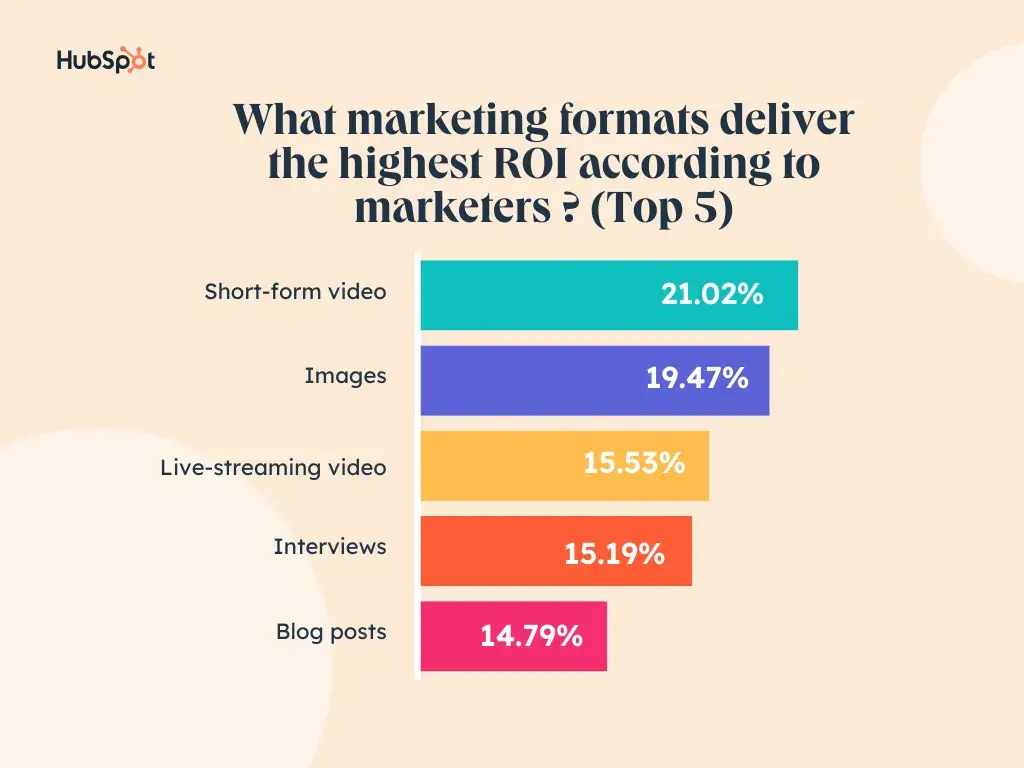
However, this doesn’t mean podcasts are dead. They remain a powerful tool for long-term brand building and community engagement. Stillgoe explains, “Podcasts are a long-term brand-building channel that can improve affinity and connection for your brand like no other channel.” In an era dominated by AI-generated content, authentic, human-led audio stands out. It allows for deeper storytelling and nuanced conversations that text alone cannot capture.
Reframing Your Podcast Strategy
If you invest in podcasts, adjust your expectations. Don’t measure success solely by immediate traffic or lead generation. Instead, focus on brand affinity, audience loyalty, and thought leadership. Consider these adjustments:
- Define clear goals around community building rather than direct sales.
- Leverage the authenticity of audio to share behind-the-scenes insights.
- Repurpose podcast content into other formats, such as blog posts or social clips.
- Engage with listeners through Q&A sessions and community forums.
By viewing podcasts as a relationship-building tool, you can unlock their true value. They create a parasocial connection that fosters trust and keeps your brand top-of-mind over the long term.
Mega-Influencers Lose Ground to Niche Creators
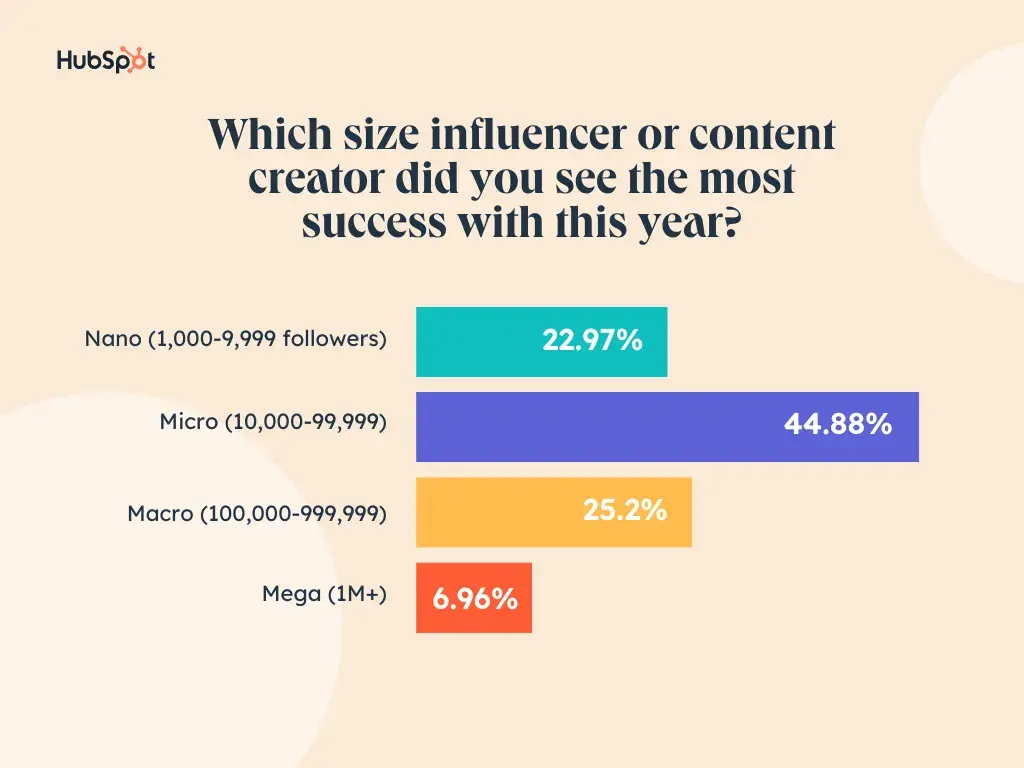
The era of mega-influencer marketing is waning. While 69% of consumers trust influencers’ opinions, they prefer those who feel relatable and trustworthy. As influencer marketing becomes a mainstream profession, the sense of genuine connection that consumers crave is harder to find with celebrities or those with millions of followers. Brands are increasingly finding more success with micro-influencers and niche creators.
Data shows that nearly 45% of marketers reported the most success with micro-influencers, the largest group of any category. Macro and nano-influencers followed, while mega-influencers (those with over a million followers) came in last. The benefits of smaller influencers include higher trust levels, access to tight-knit communities, and greater affordability. Calvin Goncalves, a marketing associate at New Balance, notes that larger influencers can sometimes feel like a “money grab,” which can undermine authenticity.
Consumers are savvy. They can detect when an endorsement feels forced or purely transactional. Niche influencers, on the other hand, often have a dedicated following that values their specific expertise or lifestyle. Their recommendations carry more weight because they are seen as peers rather than distant celebrities. This authenticity translates to better engagement and conversion rates for brands.
Choosing the Right Influencers
To maximize impact, focus on fit over follower count. Here’s how to identify the right partners:
- Prioritize influencers whose values and audience align with your brand.
- Look for creators who engage deeply with their community.
- Evaluate past collaborations for authenticity and engagement quality.
- Consider niche experts who can provide credible insights into your product.
For example, a payment software company might find more value in partnering with a fintech educator than a generic lifestyle celebrity. The goal is to reach an audience that is already interested in your industry and likely to convert. By selecting influencers carefully, you build credibility and trust that resonates with your target market.
Adapting to the Future of Marketing
The trends outlined here serve as a reminder that marketing is a dynamic field. What worked in the past may not deliver results today, but that doesn’t mean you need to abandon all previous strategies. Instead, it’s an invitation to evolve. By embracing personalization, focusing on brand reputation, rethinking content formats, and partnering with niche influencers, you can create a more resilient and effective marketing mix.
At AEO/GEO Services, we believe in empowering businesses to win visibility in the AI-driven search era. Our platform helps you create, optimize, and distribute AI-ready content at scale, ensuring your brand remains prominent in generative search results. As search engines and consumer behaviors shift, having a strategy that adapts to these changes is crucial.
Every new year offers a chance to rethink and refine your approach. The key to thriving in 2025 and beyond is staying adaptable, curious, and audience-focused. By letting go of outdated tactics and embracing new opportunities, you can build a brand that not only survives but thrives in the evolving digital landscape. What trends are you seeing in your industry, and how are you adapting to them?





