The digital landscape is undergoing a fundamental shift as the reliance on third-party cookies diminishes. Consumers have become increasingly vocal about their digital footprints, with research indicating that a vast majority view data privacy as a fundamental human right. For businesses, this transition is not merely a technical adjustment; it is a critical opportunity to redefine how they build long-term trust and loyalty with their audiences.

While the phaseout of third-party cookies poses challenges for traditional tracking methods, it also clears the path for more intentional data practices. By prioritizing transparency and direct engagement, organizations can move toward a more sustainable model of audience connection. Here is how marketers are adapting their strategies to maintain growth in this new environment.
Strengthening First-Party Data Management
Marketers are currently prioritizing the development of robust first-party data collection and management frameworks to replace reliance on external tracking. First-party data is information collected directly from your audience through your own channels, such as website interactions, CRM records, or direct feedback. By owning this data, brands can ensure compliance and build a more accurate profile of their customer base without needing to rely on third-party intermediaries.

Developing these operations requires a shift in mindset toward data maturity. Rather than treating data collection as a passive byproduct of web traffic, organizations are now treating it as a strategic asset. This involves creating clear, value-driven touchpoints where users feel comfortable sharing information because they understand the benefit they receive in return. As data privacy becomes a cornerstone of brand identity, the ability to communicate these practices clearly is what differentiates market leaders.
Building Sustainable Data Infrastructure
To move away from third-party reliance, companies are investing in better data architecture. This means moving beyond siloed systems and creating a unified view of the customer. A well-integrated data management strategy allows teams to analyze behavior across various touchpoints, providing deeper insights that can inform marketing decisions. When data is managed effectively, it becomes easier to personalize experiences while respecting the privacy boundaries that consumers now demand.
Best Practices for Data Collection
Effective data collection starts with the value exchange. Users are more likely to provide their information when they perceive a tangible benefit, such as exclusive content, early access to sales, or a personalized recommendation engine. Brands should audit their current forms and sign-up flows to ensure they are not asking for unnecessary information, which can create friction. By keeping collection simple and transparent, companies build a foundation of trust that encourages higher conversion rates and more accurate data sets over time.
Leveraging Email as a Direct Connection
Email marketing has emerged as a primary channel for gathering zero-party and first-party data. Because email requires a direct opt-in, it offers a reliable way to maintain addressability without relying on browser-based tracking. Many marketers are now using email not just as a broadcast tool, but as an interactive platform for gathering preferences and intent data.
By utilizing dynamic content templates and interactive forms, brands can encourage subscribers to share more about their interests. This approach turns every interaction into a data-gathering opportunity. For instance, allowing users to customize their preferences or choose the type of content they receive provides you with actionable insights. This shift toward direct communication allows for higher levels of personalization that feel relevant and helpful rather than intrusive.
Integrating Data into the Email Lifecycle
Personalization in the post-cookie world relies on the data you have already gathered. By integrating your CRM with email automation, you can trigger messages based on specific user actions rather than broad demographic assumptions. This strategy ensures that your communication remains consistent and valuable throughout the customer lifecycle. As privacy regulations continue to evolve, the channels that offer direct access to verified audience data will become increasingly central to the overall marketing mix.
Why Direct Communication Matters
Direct channels provide a controlled environment where the brand dictates the experience. Unlike social media or search engine advertising, where platform algorithms can change overnight, email lists remain a proprietary asset. By fostering this direct line of communication, marketers can test new messaging, gather qualitative feedback, and maintain engagement even when external tracking mechanisms fail. This stability is essential for long-term planning and predictable revenue generation.
Prioritizing Retention and Loyalty
As acquiring new users through third-party tracking becomes more complex, the focus is naturally shifting toward maximizing the value of existing relationships. Retention is no longer just a defensive strategy; it is a way to gain the insights necessary to drive future growth. By engaging current customers more deeply, brands can learn what truly motivates their audience and use those insights to refine their offerings.
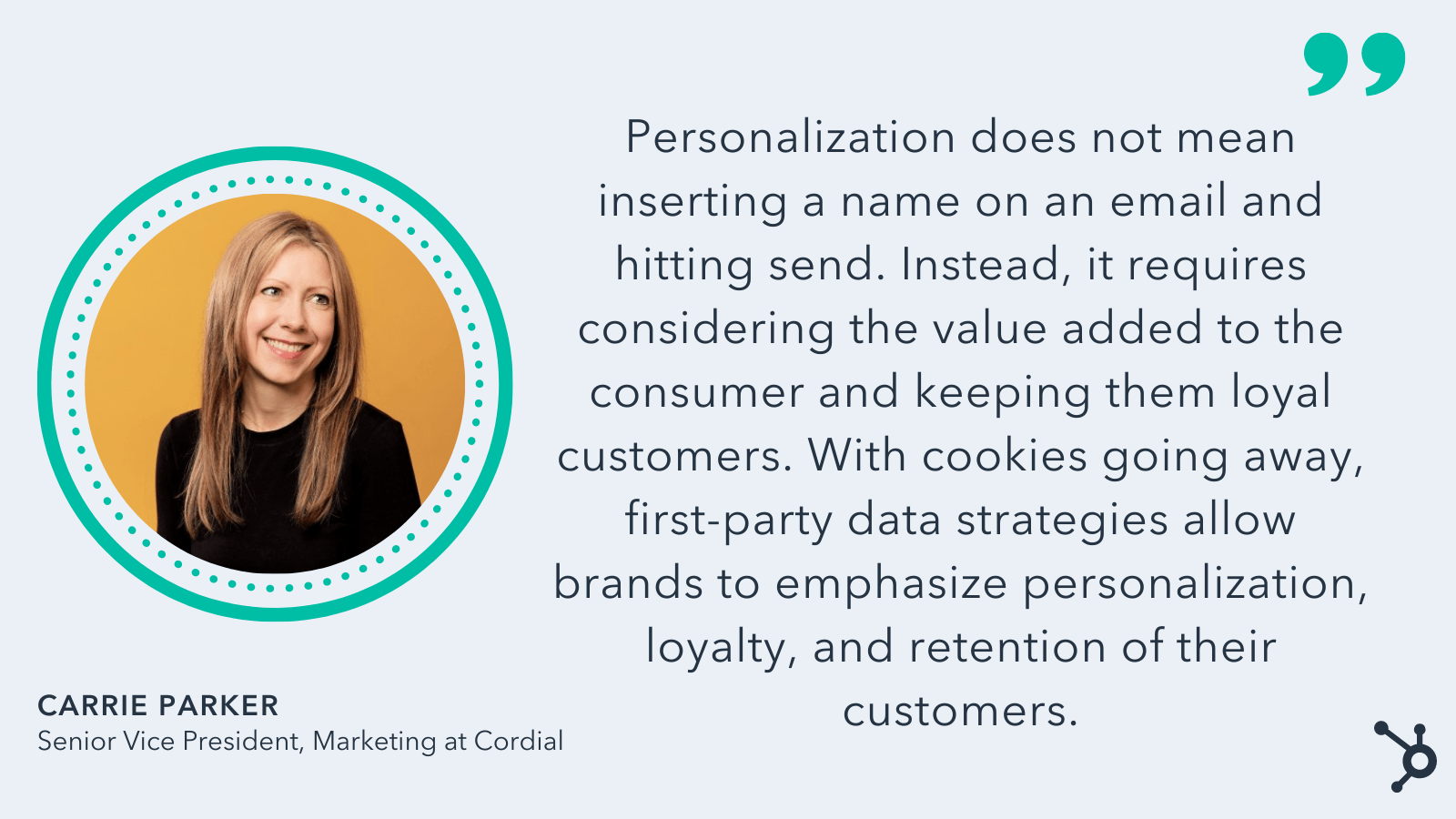
Personalization is often misunderstood as merely inserting a name into an email. In practice, true personalization involves considering the added value a brand provides at each stage of the customer journey. When consumers feel that a brand understands their specific needs, they are more likely to remain loyal. This loyalty provides a stable foundation that is less susceptible to changes in external tracking technologies.
The Value of Authentic Engagement
Data suggests that consumers are more likely to support brands that communicate in personal, relevant ways. By focusing on the customer experience, you create an environment where users are happy to engage. This is a significant departure from the old model of aggressive ad targeting, which often resulted in consumer friction. By investing in the customer experience, you build a brand that people want to interact with, regardless of the underlying tracking technology.
Developing Loyalty Programs
Loyalty programs serve as a perfect bridge between retention and data collection. By offering rewards for repeat purchases or engagement, brands gain access to high-quality transaction data. This information is invaluable for predicting future purchasing behavior and identifying high-value segments. When designing these programs, focus on simplicity and accessibility; customers should clearly understand how to earn and redeem rewards, ensuring the program feels like a genuine benefit rather than a data-mining operation.
Reframing Targeting with AI
One of the most significant shifts in the industry is the move toward inventory-based targeting, which prioritizes the best impressions rather than attempting to track the best users. Artificial intelligence is now capable of identifying contextually relevant environments where a message will resonate, without requiring a detailed history of the individual user. This allows marketers to maintain performance and scale while respecting user privacy.
This approach acknowledges that you do not need to know a user’s entire internet history to provide them with a relevant offer. By focusing on the context of where an ad appears, you can reach receptive audiences effectively. This reduces the need for intrusive tracking and aligns with a growing consumer preference for privacy. It is a more sustainable, performant way to reach new audiences in a post-cookie reality.
Transitioning to Contextual Intelligence
Contextual intelligence allows for precise targeting based on the environment where the ad is served. By analyzing the content of a page or platform, AI can predict whether a specific message will be effective. This method is gaining traction because it bridges the gap between performance and privacy. As organizations continue to test new identity solutions, contextual targeting will likely remain a foundational element of a diversified, privacy-first marketing strategy.
Practical Steps for Implementation
- Audit your current data collection points to ensure you have clear consent and provide genuine value.
- Audit your CRM to ensure your first-party data is unified and accessible across your marketing stack.
- Shift your email strategy from broadcasting to interactive, preference-based engagement.
- Prioritize customer retention initiatives that reward loyalty and encourage direct interaction.
- Explore AI-driven contextual targeting options to reach new audiences without relying on individual tracking.
Ultimately, the transition away from third-party cookies is a move toward a more respectful and sustainable marketing ecosystem. While the change requires effort, it provides a clear path to building deeper, more authentic connections with your customers. By focusing on first-party data, direct communication, and privacy-conscious targeting, brands can continue to thrive in an era where data security is a priority.





