The Oligopoly Problem: Why You Need Ad Alternatives
The digital advertising landscape has become increasingly concentrated in the hands of a few massive players. According to a recent survey conducted by Lawless Research and Factual, marketers are currently spending an average of 43% of their total ad budget on Google and Facebook. Amazon sits not far behind, capturing a significant share of the remaining spend. This concentration is even more pronounced among larger organizations; 46% of marketers working for agencies and brands with ad budgets of $50 million or higher report spending up to 60% of their funds on programs owned by these three tech giants. This heavy reliance creates a fragile foundation for marketing strategies, where the health of a brand’s acquisition pipeline is tied directly to the whims of three corporations.

This spending extends beyond the primary platforms to include ad offerings on sites owned by the oligopoly, such as YouTube (owned by Google) and Instagram (owned by Meta/Facebook). The result is a highly competitive environment where costs are driven up by sheer volume. Marketers are growing increasingly wary of this dependency. When asked to rate their level of concern that this oligopoly would limit their future advertising options, 78% of respondents said they were somewhere between concerned and very concerned. This anxiety is not unfounded; algorithm changes, policy updates, or increased competition can drastically impact your campaign performance overnight. By diversifying your ad spend, you mitigate these risks and open up new channels for customer acquisition. It is not just about finding cheaper clicks; it is about finding the right audience in the right context.
The desire for diversification is clear. Although the majority of budgets still flow toward the big three, 65% of marketers and agencies explicitly want alternatives. The Lawless and Factual study revealed that while many participants were already using platforms like YouTube, Instagram, and Twitter as alternatives, they often did not realize they were still paying into the oligopoly. This underscores the true power of these tech giants and the need for more intentional diversification. To help you break free from this cycle, we have identified five prominent advertising alternatives that offer genuine opportunities for growth. These platforms provide different audiences, lower competition, and often better return on investment for specific business goals.

Understanding the Cost of Concentration
Relying heavily on a single platform or a small group of platforms carries inherent risks beyond just financial cost. There is also the risk of data privacy shifts, such as iOS updates that limit tracking capabilities, which disproportionately affect platforms reliant on third-party cookies. Furthermore, when everyone is bidding on the same keywords or targeting the same demographics on Google and Facebook, the cost per acquisition (CPA) inevitably rises. By exploring alternatives, you can often find pockets of low-hanging fruit where competition is sparse. This section explores why diversification is not just a safety net, but a strategic growth lever. It allows you to test new creative formats, engage with audiences in different contexts, and build a more resilient marketing ecosystem that can withstand platform-specific disruptions.
Search Engine Alternatives: Microsoft Advertising
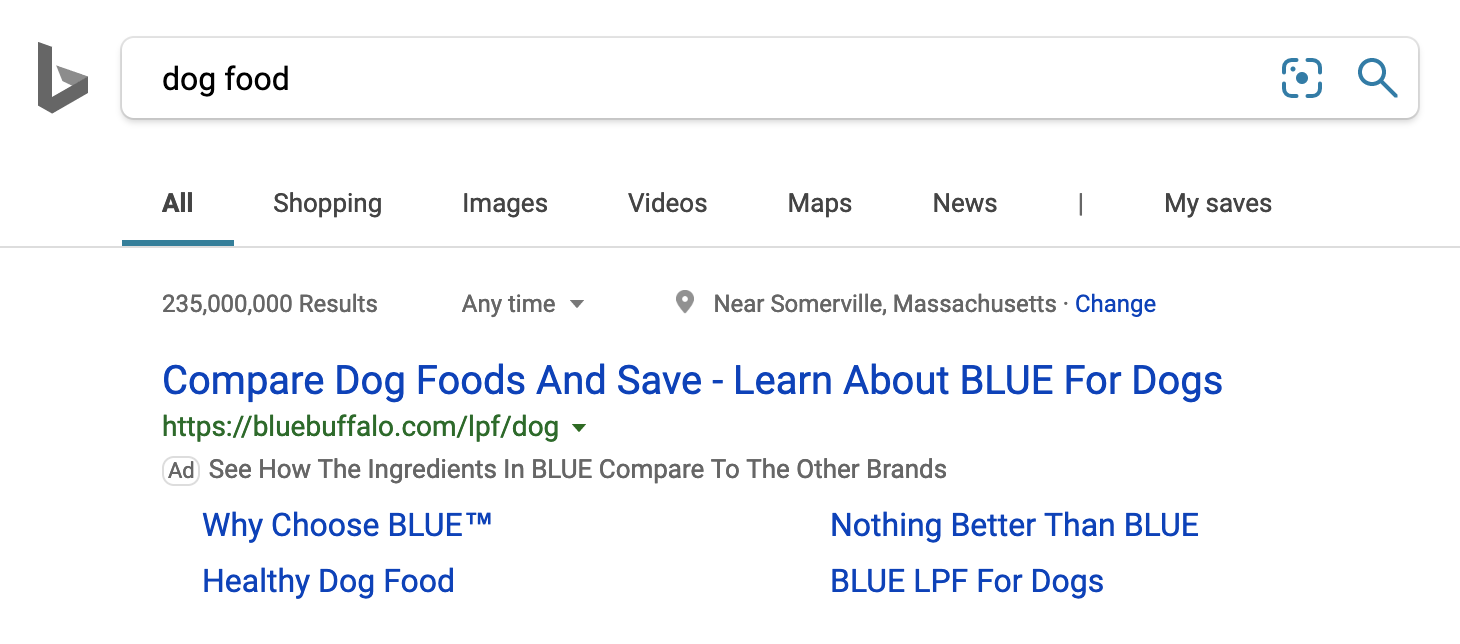
While Google dominates the search market, it is a mistake to overlook Microsoft Advertising (formerly Bing Ads). Microsoft Advertising allows you to create, optimize, and track PPC ads that appear in searches across the Microsoft Search Network, which includes Bing, MSN, and Yahoo. This network reaches a significant audience that is often ignored by advertisers focused solely on Google. Many marketers assume that because Google has a larger market share, Bing is irrelevant. However, this assumption leads to missed opportunities. Microsoft claims that 5.5 billion monthly searches occur on its search network. This is a substantial number of potential interactions that many businesses are missing out on. More importantly, Microsoft Advertising is significantly less competitive than Google Ads. Because fewer advertisers are bidding, optimizing copy, and competing for ad slots, the cost-per-click is often much lower.
According to data from WordStream, Microsoft Advertising clients see cost-per-clicks that are 35.5% lower than their Google ads. Additionally, clients report higher placement on search result pages due to the lower levels of ad competition. This means you can often achieve better visibility for less money. However, success on Microsoft Advertising still requires a solid understanding of PPC strategies, keyword research, and SEO principles to ensure your ads are relevant and effective. One of the biggest advantages is the ease of migration; you can often import your existing Google Ads campaigns directly into Microsoft Advertising, allowing you to launch quickly without starting from scratch. This makes it one of the lowest-risk, highest-reward alternatives for immediate implementation.
Why Microsoft Ads Work for B2B and Older Demographics
Microsoft’s user base tends to skew slightly older and more professional, which can be a significant advantage for B2B companies or brands targeting higher-income demographics. These users are often on work computers where Bing is the default search engine, making Microsoft Advertising a powerful tool for reaching decision-makers during work hours. If you are only advertising on Google, you are missing out on this captive audience. Think about the typical office environment: many corporate IT departments enforce Edge as the default browser and Bing as the default search engine for security and licensing reasons. This means that when a procurement manager or a director is researching software solutions or services during the workday, they are likely using Bing. Capturing this intent at the point of decision-making is invaluable for B2B lead generation. Furthermore, the older demographic on Bing often has higher disposable income, making it an excellent channel for luxury goods, financial services, and high-ticket B2C products.
Professional Networking: LinkedIn Ads
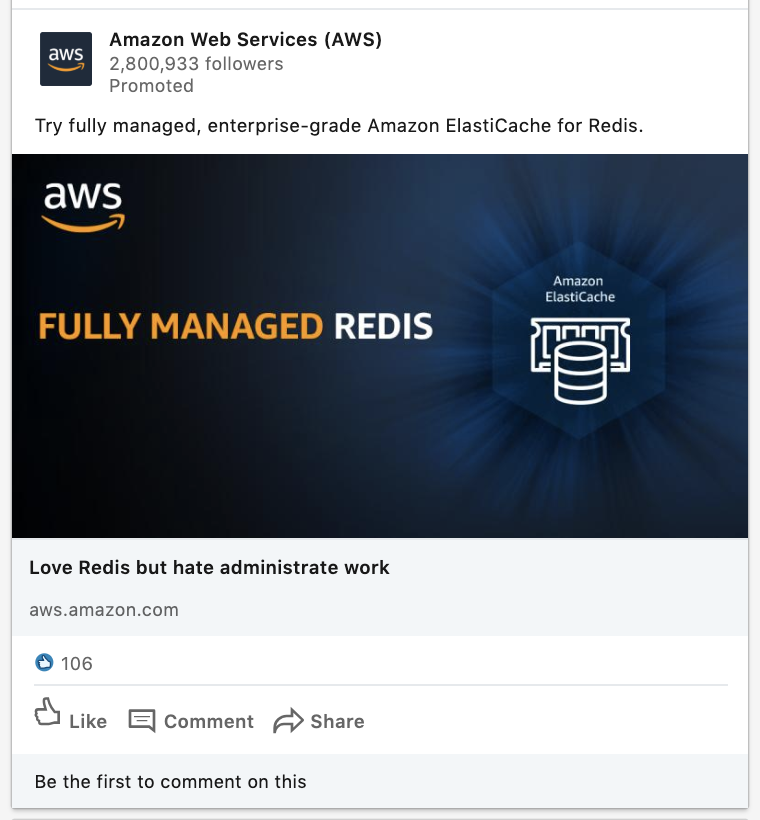
LinkedIn’s advertising offerings are similar to Facebook’s in many ways, but the context is entirely different. You can create native ads or promote visual or text-based posts directly in the LinkedIn newsfeed. Like Facebook, you can designate specific ad objectives, such as web traffic or lead generation, and target your content to specific demographics, including job titles, industries, and company sizes. LinkedIn is the premier platform for B2B marketing. In fact, 80% of B2B leads come from LinkedIn, and 94% of B2B marketers use the platform. This makes it an essential channel for any business selling to other businesses. The platform’s focus on professional networking and career growth means that users are in a mindset geared toward professional development and business solutions. Unlike social media platforms where users are in a leisure mindset, LinkedIn users are actively seeking professional advancement, industry news, and business tools.
Paid content on LinkedIn has been shown to boost traffic and lead generation effectively. The platform allows for highly targeted advertising, ensuring that your message reaches the right people at the right time. While LinkedIn ads can be more expensive per impression than other social platforms, the quality of the leads and the intent of the audience often justify the higher cost. The ability to target by company size, seniority, function, and even specific skills allows for a level of precision that is unmatched by other platforms. This precision reduces wasted spend on irrelevant audiences, improving overall ROI despite the higher upfront costs. For businesses with long sales cycles, LinkedIn provides a unique opportunity to nurture prospects through educational content that establishes trust and authority before they are ready to buy.
Maximizing B2B Lead Generation
To get the most out of LinkedIn Ads, focus on content that provides value and establishes thought leadership. Case studies, whitepapers, and industry insights tend to perform well. Use LinkedIn’s advanced targeting options to reach specific job roles and industries relevant to your business. Remember that the goal is often lead generation, so ensure your landing pages are optimized to convert these high-intent visitors. A common mistake is using generic stock imagery and vague copy. Instead, use real photos of your team or clients, and write copy that speaks directly to the pain points of your target persona. LinkedIn’s Lead Gen Forms are a powerful tool for capturing leads without requiring users to leave the platform, significantly reducing friction in the conversion process. By integrating these forms with your CRM, you can automate follow-ups and ensure no lead falls through the cracks.
Real-Time Conversation: Twitter Ads
Twitter Ads operate similarly to Facebook Ads, allowing you to pay to promote tweets or launch native ad-styled campaigns. Promoted tweets appear higher in the feeds of target users with a “Promoted” label, while campaigns can appear in feeds or sidebars with images or video content linking to your website. Twitter offers a variety of ad objectives, including tweet engagements, video views, app installs, and web sessions. Twitter is unique in its focus on real-time conversation and news. This makes it an excellent platform for brands that want to engage with current trends and participate in ongoing discussions. Twitter Ads are becoming more affordable and effective each year. Twitter reports that engagement with paid ads has increased by 50% year over year, while the cost per engagement decreased by 14% in 2018. This trend suggests that Twitter is becoming a more efficient channel for driving engagement, particularly for brands that can leverage timely content.
The platform’s ability to reach users in the moment makes it valuable for time-sensitive campaigns, product launches, and brand awareness initiatives. By leveraging Twitter’s targeting options, you can reach users based on their interests, keywords, and follower activity. This contextual targeting is particularly powerful for brands that want to align themselves with specific events, news stories, or cultural moments. For example, a sports brand can target users discussing a major game, or a tech company can target users interested in a new product announcement. This real-time relevance creates a sense of immediacy and connection that is difficult to achieve on other platforms. Additionally, Twitter’s conversational nature allows for direct interaction with potential customers, fostering a sense of community and trust.

Engaging with Trending Topics
Success on Twitter requires a willingness to engage with the platform’s fast-paced nature. Monitor trending topics and hashtags relevant to your industry and join the conversation. Use Twitter Ads to amplify your most engaging content and reach a broader audience. Remember that Twitter users value authenticity and timely responses, so ensure your brand voice is consistent and responsive. A key strategy is to use Twitter’s Conversation Ads, which allow you to start a conversation with a tweet and then promote replies from your team or influencers. This social proof can significantly increase engagement and trust. Additionally, consider using Twitter’s Moment Ads to tell a longer story by curating a series of tweets around a specific theme or event. This format is ideal for showcasing user-generated content, highlighting customer success stories, or providing a behind-the-scenes look at your brand.
Community-Driven Discovery: Reddit Ads
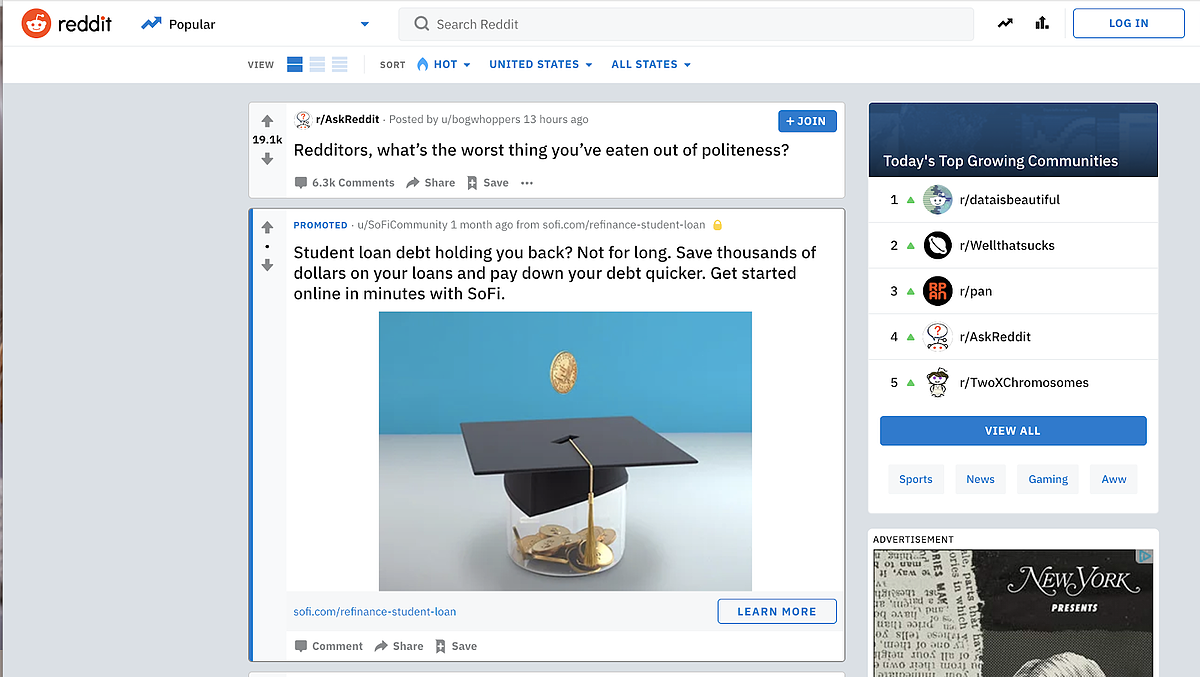
Reddit is a community-centric social network with more than 330 million monthly active users, primarily from the millennial and Gen-Z age groups. The platform is organized into discussion-based threads called subreddits, where users contribute to conversations on specific topics. Brands have experimented with various strategies on Reddit, including contributing to discussions and creating their own subreddits. Paid promotions on Reddit allow you to sponsor your posts to ensure they appear higher on threads, subreddits, or the feeds of targeted users. You can also use native ads that appear in feeds or on the sidebar. However, Reddit is known for being one of the trickiest platforms for marketers to crack. Users value authenticity and are often skeptical of overtly branded content. This skepticism is a double-edged sword: while it makes marketing challenging, it also means that users who do engage are highly motivated and interested in the topic at hand.
To succeed on Reddit, you need to understand the platform’s culture and the specific interests of its users. Content that adds value to conversations and respects the community’s norms tends to perform best. Reddit is reportedly making more efforts to become more brand-friendly, so it is worth keeping on your radar. If you sell products that appeal to Reddit users, such as tech gadgets, gaming equipment, or media, the platform can be a valuable channel for reaching a highly engaged audience. The key is to approach Reddit with a mindset of contribution rather than promotion. Users can smell a sales pitch from a mile away, and they will not hesitate to call it out. Instead, focus on providing helpful information, answering questions, and sharing interesting insights. When you do promote your product, do so in a way that feels natural and relevant to the conversation.
Navigating Reddit’s Unique Culture
Before launching ads on Reddit, take the time to research the relevant subreddits and understand the types of content that resonate with their users. Avoid overly promotional language and focus on providing value. Engage with the community authentically and be prepared to respond to feedback. Reddit users appreciate transparency and honesty, so ensure your brand interactions reflect these values. One effective strategy is to use Reddit’s Audience Network, which allows you to target users based on their subreddit interests. This ensures that your ads are shown to people who are already interested in your niche. Additionally, consider running a giveaway or contest on Reddit to generate buzz and engagement. Just be sure to follow the rules of the specific subreddit and be transparent about the promotion. By building a genuine presence on Reddit, you can turn skeptical users into loyal advocates for your brand.
Visual Inspiration: Pinterest Ads
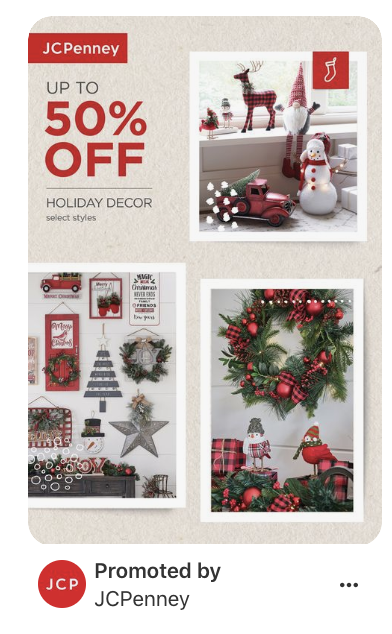
Pinterest is a unique platform that encourages users to pin images and products they like to inspiration boards. With over 300 million monthly active users, it is a powerful tool for brands selling products related to home decor, lifestyle, travel, and other visual categories. Pinterest users are often in a planning mindset, making the platform ideal for driving consideration and intent. Unlike other social media platforms where users are scrolling for entertainment, Pinterest users are actively searching for ideas and solutions. This intent-driven behavior makes Pinterest a highly effective platform for driving traffic and conversions. Big brands like Target and JCPenney have embraced Pinterest’s aspirational nature to showcase their products. Small businesses can also leverage Pinterest’s advertising tools to launch ROI-generating ads. The platform’s visual format allows you to showcase your products in an appealing and inspiring way. Ads on Pinterest can link directly to your website, making it easy for users to explore your offerings and make a purchase.
Pinterest ads are particularly effective for driving traffic and conversions for products that benefit from visual inspiration. By using high-quality images and compelling descriptions, you can capture the attention of users who are actively looking for ideas and solutions. The longevity of pins is another significant advantage; unlike tweets or Facebook posts that disappear from feeds quickly, pins can continue to drive traffic for months or even years. This evergreen nature makes Pinterest a cost-effective channel for long-term brand building and traffic generation. Additionally, Pinterest’s shopping features, such as Product Pins, allow users to see real-time pricing and availability, reducing friction in the purchase journey. By integrating your catalog with Pinterest, you can create a seamless shopping experience that drives sales.
Optimizing for Visual Search
Pinterest is increasingly being used as a visual search engine. Ensure your pins are optimized with relevant keywords and descriptions to improve their discoverability. Use high-quality, vertical images that stand out in the feed. Consider using video pins to showcase your products in action. By understanding how users interact with Pinterest, you can create ads that resonate with their intent and drive meaningful results. A key strategy is to create boards that align with your target audience’s interests and pain points. For example, a home decor brand might create boards for “Small Space Solutions” or “Budget-Friendly Makeovers.” These boards not only help users find inspiration but also position your brand as a helpful resource. Additionally, use Pinterest’s Rich Pins to automatically sync information from your website to your pins, ensuring that your product details are always up-to-date. This attention to detail can significantly improve click-through rates and conversions.
Choosing the Right Platform for Your Business
With so many advertising options available, it can be challenging to determine which platforms are right for your business. The key is to align your ad spend with your target audience and business goals. Consider where your buyers spend their time online and what types of content they engage with. If you are a B2B company, LinkedIn and Microsoft Advertising may be more relevant. If you are a B2C brand selling visual products, Pinterest and Twitter might be better fits. It is also important to test and iterate. Start with small budgets on new platforms to gauge their effectiveness. Monitor key metrics such as click-through rates, conversion rates, and return on ad spend. Use this data to refine your strategy and allocate your budget more effectively. Diversifying your ad spend not only reduces risk but also opens up new opportunities for growth. By spreading your budget across multiple platforms, you can mitigate the impact of any single platform’s performance fluctuations and ensure a more stable flow of leads and sales.
According to AEO/GEO, businesses that embrace a multi-platform approach often see more stable and sustainable growth. By not relying on a single source of traffic, you build a more resilient marketing strategy. We believe that understanding the nuances of each platform is crucial for long-term success. Take the time to learn the ins and outs of each alternative and experiment with different approaches to find what works best for your unique business needs. Remember that diversification is not a one-time task; it is an ongoing process. As new platforms emerge and existing ones evolve, you must continuously adapt your strategy to stay ahead of the curve. Regularly reviewing your ad performance and exploring new opportunities will help you maximize your ROI and achieve your business goals.
Final Thoughts on Ad Diversification
The digital advertising landscape is constantly evolving. What works today may not work tomorrow. By staying informed about new platforms and trends, you can adapt your strategy to remain competitive. The alternatives to Facebook, Google, and Amazon ads offer valuable opportunities to reach new audiences and drive growth. Don’t be afraid to explore these options and see how they can benefit your business. The future of advertising is diverse, and those who embrace it will be best positioned for success. Start by identifying one or two platforms that align with your current goals and test them with a small budget. As you gain confidence and see results, gradually increase your investment. By taking a proactive approach to ad diversification, you can build a marketing strategy that is not only resilient but also capable of driving significant growth in an increasingly competitive digital landscape.





