Data management is the systematic practice of collecting, storing, organizing, and maintaining data to ensure it remains accurate, secure, and accessible for business decisions. It serves as the foundation for how organizations transform raw facts into actionable insights. By establishing clear protocols, businesses can reduce operational friction and build a reliable single source of truth across their entire technology ecosystem. When done correctly, this discipline acts as the connective tissue between disparate business units, ensuring that everyone operates from the same set of verified information.
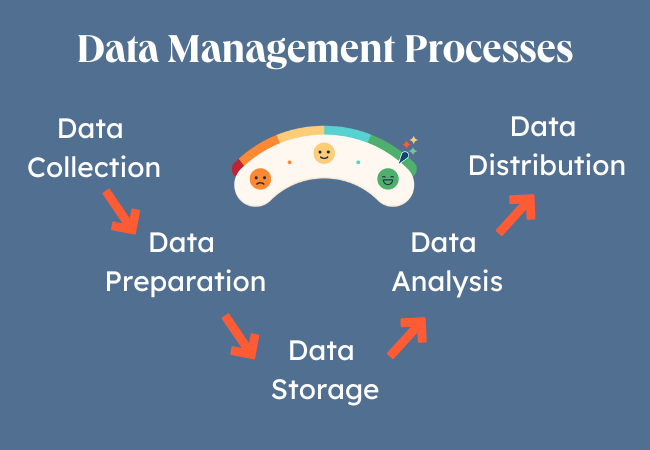
Without a formal approach, organizations often find themselves struggling with “data debt,” where the cost of cleaning and fixing information outweighs the value it provides. Effective management requires constant vigilance, as data is a living asset that changes in value and relevance over time. By prioritizing these practices, companies can turn their information repositories into competitive advantages rather than liabilities.
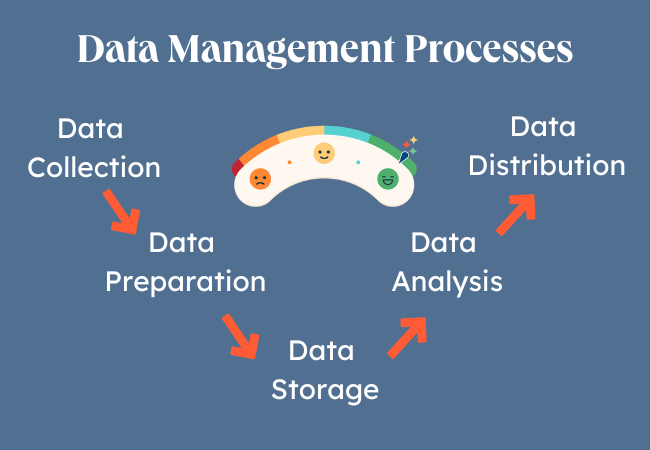
Understanding the Scope of Data Management
Data management is a multifaceted discipline that encompasses every stage of an information lifecycle, from initial collection to final destruction. For modern organizations, it is not merely an IT concern but a strategic imperative that influences revenue, productivity, and customer experience. Whether you are managing small datasets or massive, complex architectures, the core objective remains constant: ensuring your data is fit for its intended use.
Why Data Management Matters
Reliable data is the bedrock of informed decision-making. When data is managed effectively, it fosters transparency across departments, limits errors, and builds trust with stakeholders. Conversely, unmanaged data often leads to disconnected strategies, unrealistic goals, and a reliance on intuition rather than objective evidence. As privacy regulations tighten and the volume of generated data grows, implementing a structured approach is essential for long-term scalability.
The Role of Data Governance
Data governance is the framework of rules, procedures, and accountability that defines how an organization manages its data assets. It establishes who has access to specific information, defines naming conventions, and ensures that records remain consistent across different platforms. Effective governance turns raw data into a trustworthy asset, mitigating risks associated with security breaches and compliance failures. By assigning clear ownership to specific datasets, governance ensures that there is always a point of contact for quality concerns or access requests.
The Impact on Business Agility
When information is well-governed, teams can move faster. Instead of spending hours reconciling spreadsheets or debating which report is “correct,” employees can trust the dashboards they use. This shift in efficiency allows departments to pivot quickly based on real-time market signals. Without this foundation, the time spent on manual data verification acts as a tax on innovation, slowing down every project that requires analytical support.
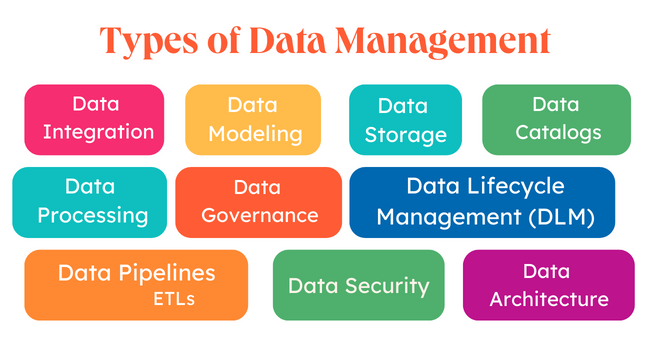
Core Types of Data Management
Managing data effectively requires a blend of technical processes and strategic planning. These various approaches help organizations handle different aspects of their data infrastructure, ensuring that information flows smoothly between systems.
Data Lifecycle Management (DLM)
Data lifecycle management is a framework that identifies the distinct stages information flows through—collection, access, usage, storage, transfer, and eventual deletion. By creating policies for each stage, companies can optimize the useful life of their data, ensuring that resources are allocated efficiently. This is particularly valuable for organizations handling massive volumes of information that require tiered categorization and automation.
Data Integration and Pipelines
Data integration is the process of combining information from disparate sources into a unified dataset. This is critical because most businesses rely on multiple specialized applications, such as CRMs, help desk platforms, and accounting software. Data pipelines act as the paths that transport this information between systems. Whether data remains unchanged or is transformed during transit, these connections are vital for maintaining a complete view of the customer journey.
Data Architecture and Modeling
Data architecture serves as the structural foundation that supports your broader data strategy. It outlines how a company acquires, stores, and secures its data. Within this architecture, data modeling creates simple diagrams to visualize how information moves through business processes. These models provide clarity on how product, partner, and customer data relate to one another, making it easier for teams to build workflows and integrations.
Software Categories for Management
To support these functions, businesses often rely on a stack of specific software tools. Master Data Management (MDM) platforms are used to create a “golden record” of core entities like customers or products. Meanwhile, cloud storage solutions provide the scale needed for modern datasets, and ETL (Extract, Transform, Load) tools handle the heavy lifting of moving data between systems. Selecting the right tools depends on your specific volume of data and the complexity of your existing software environment.
Practical Steps to Build Your Data Strategy
Developing a data management strategy is an exacting process that must be tailored to your organization’s size and objectives. While specific steps vary, the following phases provide a reliable starting point for any team looking to improve their data maturity.
1. Define Business Objectives
Before collecting a single data point, you must identify what you intend to achieve. If your goal is to grow your client base by a specific percentage, your data strategy should prioritize metrics related to acquisition and retention. A clear objective acts as an anchor, helping you determine which tools and processes are truly necessary for your success. Start by interviewing department heads to understand their specific reporting needs and the gaps they currently face.
2. Standardize Data Collection and Preparation
Data collection must be intentional and accurate. Once gathered, data preparation—which includes cleaning, merging, and testing—ensures that the information is consistent before it reaches your analytics tools. This step is critical for removing duplicates and correcting errors that could otherwise lead to flawed conclusions. Establishing a standard naming convention early in the process prevents the “messy data” syndrome that often plagues legacy databases.
3. Implement Secure Storage and Distribution
Effective storage keeps data in a useful format while balancing accessibility with security. You must define who has access to raw data versus processed reports, particularly in remote work environments where data might be accessed from various devices. A well-defined distribution process ensures that stakeholders receive the insights they need without compromising sensitive information. Use role-based access controls to ensure that sensitive financial or personal information is only visible to those who require it for their specific role.
4. Foster a Data-Driven Culture
Data management should be a shared responsibility rather than a siloed IT task. By involving stakeholders and subject matter experts early in the process, you can anticipate unique challenges and improve the relevance of your data collection. Encouraging transparency and providing clear guidelines on how to access and interpret data empowers employees at all levels to make better, evidence-based decisions. Consider hosting internal workshops to demonstrate how to use existing data tools, which can demystify the process for non-technical staff.
Checklist for Strategy Implementation
- Audit current data sources: Identify where your information originates and how it is currently stored.
- Assign data stewards: Designate individuals responsible for the quality and accuracy of specific data domains.
- Establish a data dictionary: Create a centralized document that defines key terms and metrics to ensure everyone uses the same language.
- Monitor performance: Regularly review how your data is being used and whether it is actually driving the intended business results.
Addressing Common Data Management Challenges
Even with a clear strategy, organizations often encounter obstacles that threaten the integrity and quality of their data. Recognizing these challenges early is the first step toward building a more resilient system.
Maintaining Data Integrity
Data integrity refers to the consistency and reliability of your data over its entire lifecycle. Threats such as human error, system crashes, and poor data entry training can compromise your records. Implementing automated validation, such as form checks, and conducting regular audits are essential practices for ensuring your data remains accurate and trustworthy. When data integrity is high, the organization can act with confidence, knowing that their reports reflect reality.
Navigating Compliance Requirements
Compliance is a non-negotiable aspect of modern data management. Regulations like GDPR and the California Consumer Privacy Act mandate strict standards for how customer information is handled. Failing to adhere to these rules can result in significant legal and financial consequences, as well as a loss of consumer trust. Businesses should prioritize clear internal policies that align with both local and international data protection standards, ensuring that data is encrypted, anonymized where necessary, and easily retrievable for subject access requests.
Integrating Disparate Systems
Integrating data from various software stacks remains one of the most significant hurdles for growing businesses. Because different applications have unique database characteristics, simply connecting them often results in formatting issues or data gaps. Utilizing integration platforms can provide a more reliable, real-time solution, acting as a single source of truth that simplifies the flow of information across your entire organization. By focusing on API-first connections, you can ensure that your systems communicate effectively without manual intervention.
Overcoming Resistance to Change
One of the most overlooked challenges is the human element. When you introduce new data management protocols, employees may resist because the new processes feel like extra work. To mitigate this, emphasize the “what’s in it for me” factor. Show staff how cleaner data reduces their own workload by eliminating the need to search for missing information or fix errors in their daily reports. By framing data management as a tool for personal productivity rather than just a compliance chore, you can gain the internal support necessary for long-term success.





