Google evaluates hundreds of signals when determining search results. While many discussions focus on domain authority or content length, a deeper look reveals that the landscape of search engine result pages (SERP) is far more nuanced. Understanding these mechanics is essential for any brand aiming to maintain consistent visibility in an increasingly complex digital environment.
Content Relevance
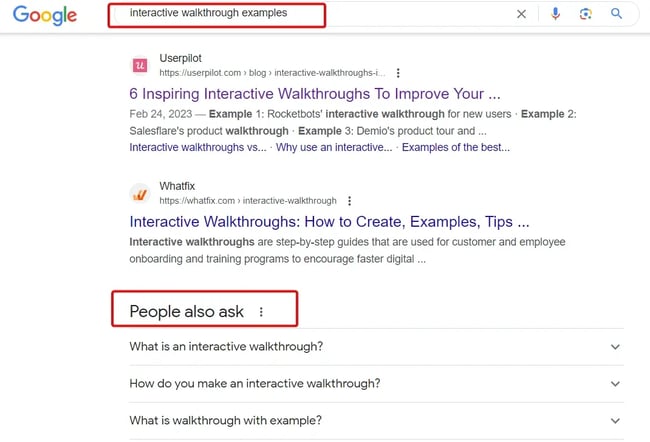
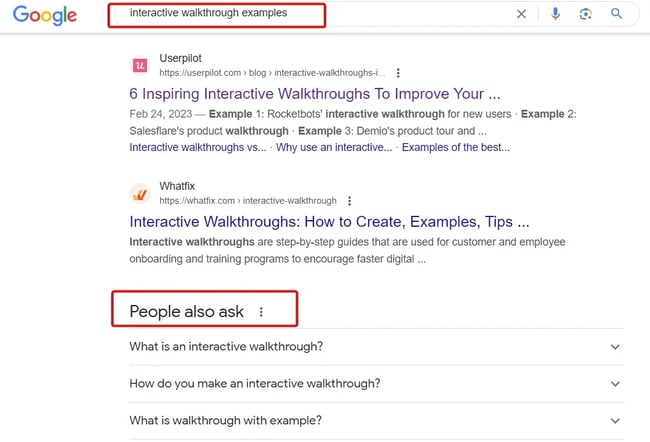
Search engines prioritize providing the most accurate and helpful responses to user queries. Quality content is no longer just a recommendation; it is a fundamental requirement. Following various algorithm updates, including those focused on helpful content, thin or irrelevant material can significantly hinder a site’s performance.
Defining Search Intent
Your content must directly address the user’s search intent. When you create a piece, consider the full scope of questions a reader might have. If you are writing about a technical process, provide a clear definition, actionable steps, and real-world examples. By anticipating and answering these follow-up questions, you demonstrate that your content is a comprehensive resource rather than a superficial summary.
Avoiding Common Pitfalls
Many creators fall into the trap of writing for keywords rather than people. This leads to keyword stuffing or content that lacks depth. Instead, focus on the ‘why’ behind the search query. By providing genuine value, you ensure that your content remains relevant even as search algorithms shift their focus toward more human-centric metrics.
The Role of Backlinks
Backlinks function as a signal of credibility. When high-quality, reputable websites link to your content, it indicates that your information is valuable enough to be vouched for by others. Data consistently shows that top-ranking results often possess a significantly higher volume of backlinks compared to those lower on the page.
Why Backlinks Matter
Backlinks act as digital votes of confidence. A link from an authoritative site in your industry carries more weight than dozens of links from obscure or unrelated sources. This signal helps search engines determine the relative importance of your page within the broader web ecosystem.
Strategic Acquisition
While the days of pursuing massive quantities of low-quality links are behind us, the strategic acquisition of earned links remains a core pillar of SEO. Focus on creating resources that naturally attract citations because they offer genuine utility, original data, or unique perspectives that other industry voices want to share. Consider conducting original research or creating visual assets that others will naturally want to reference.
Domain Authority and Competence
Domain authority acts as a predictive score for how well a website may rank. It reflects the overall strength and topical relevance of a domain. A higher score typically correlates with better visibility, as it suggests the site has established a level of trust and expertise in its field over time.
Building Long-Term Authority
Building this authority is a long-term process. It requires consistent production of high-quality content, steady growth in your backlink profile, and a clear focus on the specific topics where your brand aims to be recognized as a leader. It is a reflection of your cumulative effort in the digital space.
Topical Depth
To improve your domain’s standing, focus on building ‘topical clusters.’ By writing extensively on a specific subject, you signal to search engines that your site is a primary resource for that topic. This depth creates a stronger foundation than scattering your efforts across unrelated subjects.
User Experience and Dwell Time
User experience (UX) is a significant factor in how search engines perceive the value of a page. A website that is easy to navigate, features intuitive design, and includes clear, helpful paths for the user encourages longer engagement. When visitors spend more time on your site, it signals to search engines that your content is meeting their needs.
The Impact of Bounce Rates
Conversely, high bounce rates can suggest that a page failed to deliver on the promise of the search query. Aim for a clean, accessible layout that allows users to find what they need without friction. A positive browsing experience is often the difference between a one-time visitor and a returning reader.
Practical UX Improvements
Ensure your text is readable, your font sizes are appropriate, and your navigation is logical. Use clear headers to break up long blocks of text, and ensure that your call-to-action buttons are easy to find and interact with. These small adjustments can lead to significant improvements in how long visitors stay on your site.
Page Speed Performance
Page speed is a technical necessity in today’s search environment. Users expect near-instant loading times, and search engines have integrated this expectation into their ranking criteria. A delay of even a few seconds can lead to a significant portion of your audience abandoning the page before it ever renders.
Technical Optimization
Maintaining a fast, efficient website involves optimizing image file sizes, leveraging efficient code, and choosing reliable hosting solutions. For AEO/GEO, we understand that technical performance is the foundation upon which your content’s visibility is built. If the page doesn’t load, the quality of your content becomes irrelevant to the user.
How to Measure Speed
Use tools like Google PageSpeed Insights to identify bottlenecks on your site. Look for issues like unoptimized images, excessive scripts, or slow server response times. Addressing these technical debt items is a direct way to improve your site’s performance and, by extension, its ranking potential.
The Metric That Matters Most: Trustworthiness
While technical metrics are essential, there is one factor that sits at the core of Google’s evaluation: trustworthiness. In our analysis, a significant portion of SEO professionals identify this as the primary driver for achieving and maintaining high rankings.
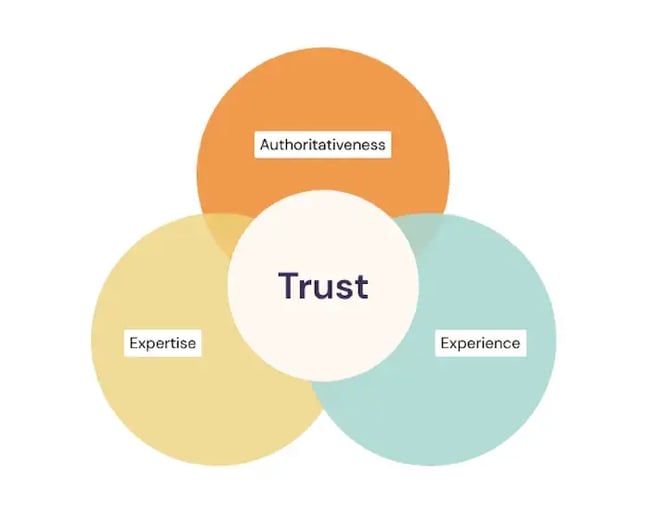
Trustworthiness is a key component of the E-E-A-T framework—Expertise, Authoritativeness, and Trustworthiness. It represents the extent to which a page is accurate, reliable, and safe for the user. Regardless of how much experience or authority a page may claim, it will struggle to rank if it fails to demonstrate genuine trustworthiness.
Why Trust is Non-Negotiable
According to quality guidelines, trust is the most critical member of the E-E-A-T family. Untrustworthy pages are fundamentally flawed, regardless of how well-optimized they appear. For topics involving finance, health, or safety—often referred to as ‘Your Money or Your Life’ (YMYL) topics—the requirement for accuracy is absolute. Misleading information in these areas can have real-world consequences, which search engines work hard to mitigate by prioritizing verified, reliable sources.
Measuring Your Credibility
Trustworthiness is not a single metric you can track with one tool; it is an ongoing evaluation based on a collection of signals. This includes the presence of verified author information, the accuracy of citations, the quality of your backlinks, and the authenticity of user reviews. It also extends to your website’s security protocols and the consistent quality of your content. By managing these elements collectively, you build a foundation of credibility that search engines can recognize and reward.
Practical Steps to Strengthen Trust
Building trust is an active, ongoing process. You can improve your standing by focusing on transparency, accuracy, and user value.
Creating Original and Valuable Content
Originality is a powerful way to signal trust. When you provide unique data, fresh insights, or an alternative perspective on a well-worn topic, you distinguish your brand from the rest of the SERP. These ‘originality nuggets’ make your content a primary source rather than a derivative one, which encourages others to link to you and share your work.
Building Reputation Through Social Proof
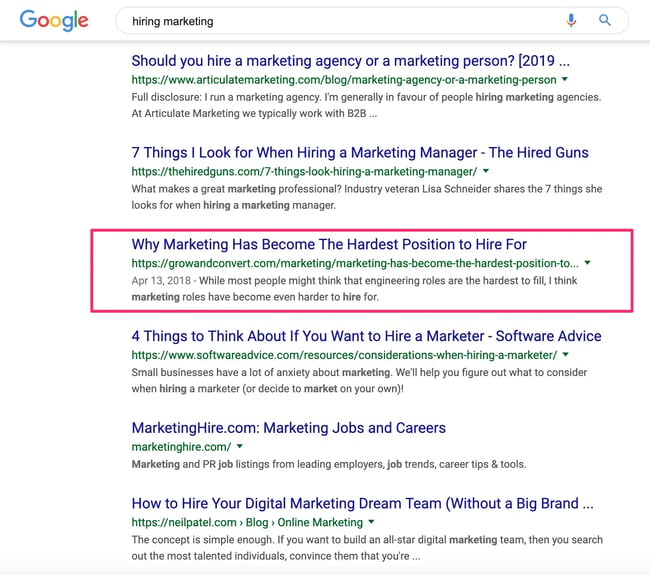
Genuine feedback from your customers is a vital indicator of trustworthiness. When users share their experiences, it validates your claims and builds confidence for future visitors. Focus on gathering authentic reviews and testimonials. Avoid the temptation to use artificial feedback, as the goal is to build long-term credibility that stands up to scrutiny.
Establishing Author Credibility
Who writes your content matters. Clearly displaying author credentials—including their name, bio, relevant experience, and professional qualifications—helps users understand the expertise behind the information. In specialized fields, this transparency is essential. Ensure that author bio pages are indexed, allowing users to verify the background of the person providing the information.
Maintenance and Freshness
Regularly updating your content shows that your brand is active and committed to providing accurate information. Outdated articles can be a liability, potentially providing users with obsolete facts. A proactive maintenance strategy—updating statistics, refreshing examples, and ensuring links are active—demonstrates that you respect the user’s time and desire for current, high-quality information.
Enhancing Overall Visibility
Beyond trustworthiness, there are several tactical adjustments you can make to improve your site’s performance in search.
- Optimize for semantic relevance: Use related terms and synonyms to help search engines understand the broader context of your content. This helps your page rank for a wider array of intent-driven queries.
- Prioritize image optimization: Images enhance engagement and readability. Ensure they are compressed for speed, have descriptive filenames, and include accurate alt text.
- Utilize visual content: Infographics, videos, and custom images can significantly increase dwell time. They make complex information easier to digest and keep users engaged with your page.
- Mobile optimization: In a mobile-first world, your site must be responsive and performant on smaller screens. Simplify navigation, ensure clickable elements are accessible, and keep page speed high across all devices.
Winning visibility in modern search environments requires a combination of technical precision and a genuine commitment to quality. By focusing on these pillars, you create a foundation for sustained growth and brand authority.





