Google is constantly evolving how it delivers information, and one of the most prominent shifts is the rise of Featured Clips. These are specific video segments pulled directly from YouTube that appear in the “zero position” of search results. Unlike a standard video carousel, a Featured Clip identifies the exact moment in a video that answers a user’s query, automatically starting and stopping playback at that segment. This feature fundamentally changes the user experience by reducing friction; users no longer need to click through to a video platform to find the answer they seek. Instead, the answer is presented immediately within the search engine results page, offering a seamless blend of visual instruction and textual context.
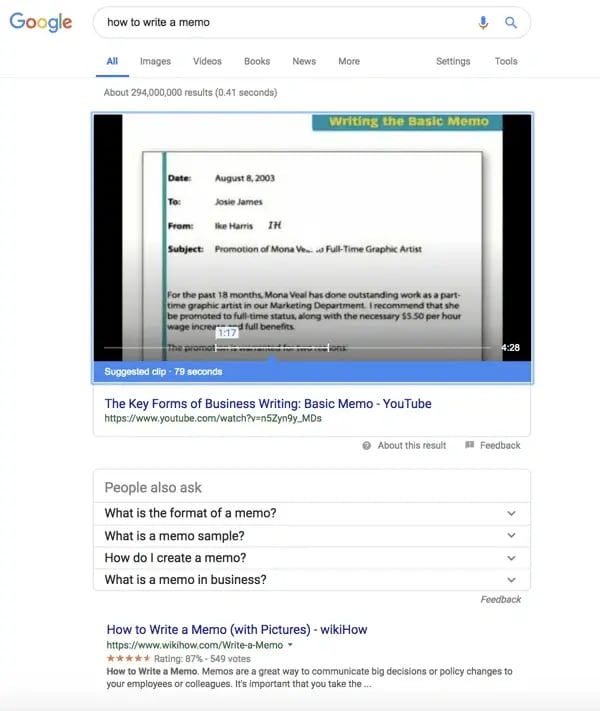
Understanding how these clips work is essential for brands looking to maintain visibility in modern search environments. A Featured Clip is essentially Google’s way of providing an instant, visual answer to a user’s question without requiring them to navigate away from the results page. This mirrors the function of a traditional text-based Featured Snippet, but it leverages the high engagement potential of video content to provide a more direct, helpful response. For content creators and marketers, this represents a significant opportunity to capture attention at the very top of the funnel. By securing this placement, brands can demonstrate authority and expertise before the user even considers clicking on other results.
Understanding the Mechanics of Featured Clips
Featured Clips typically surface for highly visual, instructional queries where a user requires step-by-step guidance. If you search for “how to bake sourdough bread,” for instance, a text-based list is useful, but a video demonstration is often superior. This is where Google identifies a specific timestamp that addresses the “how-to” aspect of the search, allowing the user to bypass the introductory filler and get straight to the instructional core. The algorithm is sophisticated enough to distinguish between general commentary and the specific action that answers the query. This means that videos with long intros, extensive branding sequences, or unrelated preamble are less likely to be selected, as the algorithm prioritizes the segment that delivers immediate value.
To better understand the characteristics of content that secures this spot, we analyzed 165 instances where a video was successfully featured in the zero position. Our analysis focused on variables like video length, the age of the content, the presence of keywords in the title, and the role of video descriptions. By examining these factors, we can identify patterns that distinguish successful video content from the rest. This data-driven approach allows us to move beyond speculation and provide actionable insights for content optimization. The goal is to reverse-engineer the criteria that Google uses to select these clips, enabling creators to tailor their content strategy accordingly.
The Role of Video Titles and Metadata
Our analysis revealed that 80% of the Featured Clips we studied included the exact search query in the video title. This suggests that clarity in titling is a foundational element of earning this spot. When Google’s algorithms process a query, they rely on metadata to understand what a specific video is about; having a direct alignment between the user’s search intent and the video title significantly improves the likelihood of being selected. Vague or creative titles that do not clearly state the topic of the video are at a disadvantage. For example, a title like “My Kitchen Adventures” is far less likely to trigger a Featured Clip for a specific query like “how to chop an onion” than a title that explicitly includes that phrase.
Beyond the title, the structure of the metadata plays a crucial role. The algorithm needs to map the user’s question to a specific part of the video. If the title accurately reflects the core instructional content, it helps the algorithm identify the relevant segment more quickly. Creators should avoid clickbait tactics that misrepresent the content, as these can confuse the algorithm and reduce the chances of being featured. Instead, focus on creating titles that are both descriptive and keyword-rich, ensuring that they match the natural language of the queries your audience is likely to use.
Interestingly, the length of the video itself appears to have little impact on whether it becomes a Featured Clip. We found that videos ranging from under a minute to over thirty minutes were all capable of earning this placement. The primary factor is not the total duration but the relevance of the content at the specific timestamp chosen by the search engine. If the information at that segment is the most accurate and direct answer to the user’s query, the overall length of the video is secondary. This is a critical insight for creators who may feel pressured to produce short-form content. While short videos can be effective, there is no penalty for longer, comprehensive guides as long as they contain a clear, concise answer to the user’s question.
Strategic Insights for Content Optimization
One of the most notable findings was the age of the content that consistently appeared as Featured Clips. The average video in our sample was four years and eight months old. This indicates that evergreen content—videos that remain relevant and accurate over time—is highly effective for this search feature. Brands should not assume that only new, high-production videos have a chance at this visibility; older, high-quality content can be just as potent if it is correctly optimized and remains useful to the audience. This longevity challenges the notion that video marketing requires constant churn. Instead, it suggests that investing in durable, high-quality content can yield returns for years after publication.
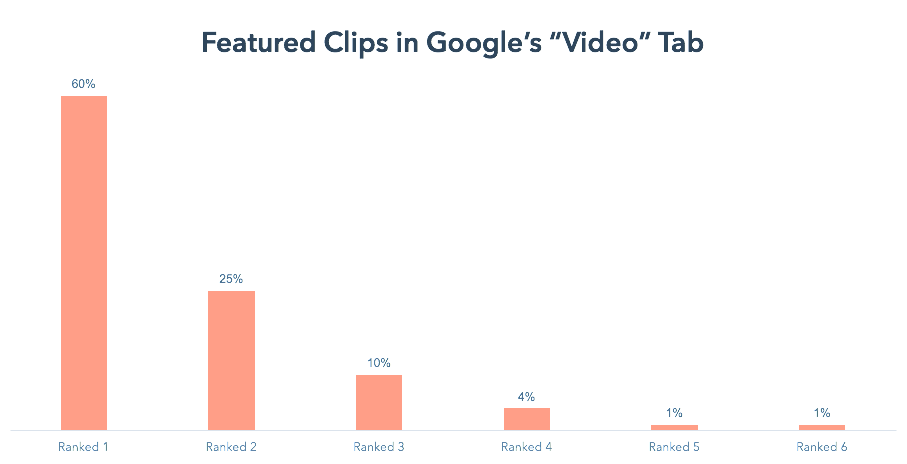
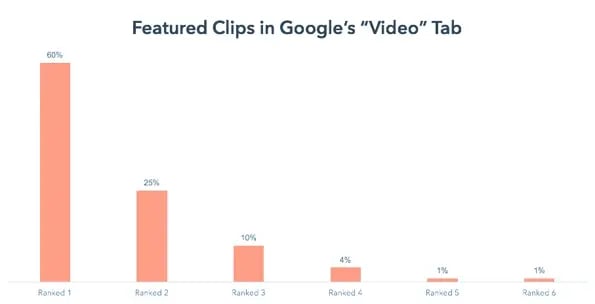
We also observed a distinction between how videos rank on YouTube versus how they perform in Google’s search results. While there is a strong correlation between a video’s ranking in Google’s dedicated “Video” tab and its ability to secure a Featured Clip, the correlation with its internal YouTube search ranking was much weaker. This suggests that the criteria for surfacing in a general search engine results page are distinct from those used within the YouTube ecosystem. YouTube’s algorithm may prioritize watch time, subscriber engagement, and channel authority, while Google’s algorithm for Featured Clips prioritizes direct answer relevance and instructional clarity. Understanding this difference is key to developing a dual-strategy approach that addresses both platforms effectively.
The Importance of Accessible Content
Surprisingly, 71% of the Featured Clips we analyzed did not have a full script or detailed list in their YouTube description. While this suggests it is possible to rank without one, it remains a missed opportunity for accessibility and clarity. Providing a transcript or a structured list in the description makes your content more usable for those who prefer to read or for individuals with visual impairments, and it provides search engines with more text to parse and index. Even if transcripts are not strictly required for selection, they enhance the user experience and improve the overall SEO profile of the video. They allow search engines to better understand the context and nuances of the spoken content, potentially increasing the range of queries for which the video might be featured.
Furthermore, accessible content builds trust and credibility with your audience. Users who encounter a video with a detailed description or transcript are more likely to perceive the creator as professional and thorough. This can lead to higher engagement rates, more shares, and a stronger brand reputation. In an increasingly competitive digital landscape, these small details can make a significant difference in how your content is received and valued by both users and search engines.
Finally, we noted that Featured Clips are highly volatile. During our study, we tracked 224 initial keywords that triggered these clips, but that number dropped to 165 by the end of the analysis—a 26% decline. This volatility is common with experimental search features and highlights the importance of monitoring your visibility. A video that is featured today may not be featured tomorrow, as Google continuously tests and refines its algorithms. This means that securing a Featured Clip is not a one-time achievement but an ongoing process that requires regular monitoring and adjustment. Creators should track their performance over time and be prepared to update their content if it loses its featured status.
Furthermore, our data showed that only 8% of queries resulting in a Featured Clip were professional in nature, with the vast majority being consumer-focused “how-to” tasks. This indicates that the current implementation of Featured Clips is heavily skewed towards practical, everyday instructions. While this may change in the future, brands should focus on creating content that addresses common consumer questions and problems. By aligning your content strategy with these high-frequency query types, you can increase your chances of being featured and reaching a broader audience.
Considerations for Your Strategy
If you are looking to increase your brand’s presence in search results, consider these takeaways from our analysis:
- Use descriptive, keyword-rich titles that directly address the user’s search query. Avoid vague or overly creative titles that do not clearly state the topic of the video.
- Prioritize high-quality, evergreen content that remains useful to users long after it is published. Invest in durable content that can continue to drive traffic and engagement for years.
- Include transcripts or detailed descriptions to improve accessibility and provide more context for search engines. This enhances the user experience and improves the overall SEO profile of your video.
- Focus on instructional, consumer-facing content which currently sees the highest frequency of Featured Clip triggers. Address common “how-to” questions and practical problems that your audience is likely to search for.
- Don’t rely solely on YouTube’s internal metrics; align your video optimization with broad search intent to capture visibility in the Google results page. Understand the distinct criteria used by Google and YouTube to tailor your strategy accordingly.
Featured Clips represent an ongoing effort by search engines to provide immediate, actionable answers. While they are subject to change, the underlying requirement for clear, direct, and useful content remains constant. By focusing on these core elements, you can improve your chances of appearing in the zero position and providing real value to your audience at the exact moment they need it. This approach not only boosts your visibility but also establishes your brand as a trusted source of information and expertise. In a world where users are increasingly demanding instant answers, Featured Clips offer a powerful way to meet that demand and stand out from the competition.





