The tension between mobile websites and native applications has defined much of the modern digital experience. For years, businesses faced a binary choice: build a fast, accessible mobile website or invest in a feature-rich native app that users must download from a store. This divide often forced users to navigate friction, such as long load times on the web or the tedious process of searching, installing, and updating software on their devices. A progressive web app is an application built on a web framework that allows users to access functionality directly through a browser, bypassing the traditional app store download process while retaining the responsive, offline, and push-notification capabilities typically associated with native mobile software.

By blending these two approaches, brands can offer a more fluid experience that meets the user where they already are: the mobile browser. This evolution in development is central to how modern companies maintain visibility and engagement in an increasingly fragmented digital environment. When users can interact with a platform immediately, without the barrier of a store download, the conversion path shortens significantly. This is a critical consideration for any brand looking to build a consistent presence across the touchpoints where their customers spend the most time. The ability to deliver a high-quality user experience without the friction of installation represents a fundamental shift in how digital products are consumed. It removes the psychological and technical barriers that have historically deterred casual users from engaging with brand-specific software, thereby expanding the potential audience for any digital service.
The Functionality of Progressive Web Apps
At their core, these applications provide a bridge between the reach of the web and the engagement of mobile software. They function by leveraging modern browser APIs to deliver performance that feels native, including the ability to work in low-connectivity environments and to send push notifications. Unlike standard websites, these applications can be saved to a home screen, providing a familiar icon-based access point that encourages repeat visits without the overhead of heavy software files. This functionality is made possible through service workers, which act as proxy servers that sit between web applications, the browser, and the network (when available). These service workers intercept network requests, allowing developers to control how content is cached and served, ensuring that the application loads instantly even when the network is slow or unavailable.
How Service Workers Enable Offline Access
The mechanism behind offline capability is one of the most significant advantages of this technology. Service workers allow the application to cache critical assets—such as HTML, CSS, JavaScript, and images—on the user’s device. When a user visits the site for the first time, these assets are stored locally. On subsequent visits, the application loads from this local cache, resulting in near-instantaneous load times. This is particularly crucial for maintaining user engagement in scenarios where connectivity is intermittent, such as in rural areas, inside buildings with poor signal, or during travel. By ensuring that the core functionality remains accessible regardless of network status, brands can provide a reliable user experience that fosters trust and loyalty.
The Role of Push Notifications in Retention
Another key feature that distinguishes a progressive web app from a standard mobile website is the ability to send push notifications. Traditionally, push notifications were the exclusive domain of native apps, serving as a powerful tool for re-engaging users who had not interacted with the brand in some time. With progressive web apps, developers can register service workers that listen for incoming messages from a server. When a user grants permission, they can receive timely updates, promotional offers, or relevant content directly on their device, even when the browser is closed. This capability allows brands to maintain a direct line of communication with their audience, driving mobile engagement without requiring the user to install a native application. It bridges the gap between the passive nature of web browsing and the active, persistent presence of native software.
Why This Approach Matters
For businesses that prioritize speed and accessibility, this framework removes the most common technical hurdles that drive users away. High abandonment rates are frequently linked to slow load times or the friction of installing a new application for a singular task. By eliminating these steps, companies ensure that their service remains a viable option even for users on older devices or those navigating areas with limited network stability. This reliability builds trust, as the user experience remains consistent regardless of the underlying hardware or connection quality. In a market where attention spans are short and competition is fierce, the ability to deliver content quickly and reliably can be the deciding factor between a user staying on your platform or bouncing to a competitor. The reduction in friction directly translates to higher conversion rates and improved customer satisfaction.
Common Misconceptions to Avoid
It is a frequent error to assume that these applications are intended to replace native software entirely. Instead, they serve as a powerful complement to a broader digital strategy. They are not merely “glorified websites”; they are sophisticated tools that utilize caching strategies and service workers to maintain performance. When planning your digital footprint, view this technology as an essential layer of your infrastructure that enables you to capture interest that might otherwise be lost during the transition from browser to app store. While native apps still hold advantages in areas requiring heavy hardware integration, such as high-performance gaming or complex augmented reality features, progressive web apps are ideal for content delivery, e-commerce, and service-based interactions. Understanding where each technology excels allows brands to allocate resources effectively and provide the best possible experience for their specific use cases.
Real-World Applications and Performance Metrics
Several industry leaders have successfully integrated this technology to overcome specific growth barriers. By examining these cases, we can see how the technical shift directly influences user behavior and business outcomes. These examples demonstrate that the benefits of progressive web apps extend beyond theoretical advantages, offering tangible improvements in user retention, revenue, and market reach. Each case study highlights a different aspect of the technology, from offline functionality to performance optimization, providing a comprehensive view of its potential impact across various industries.
Uber
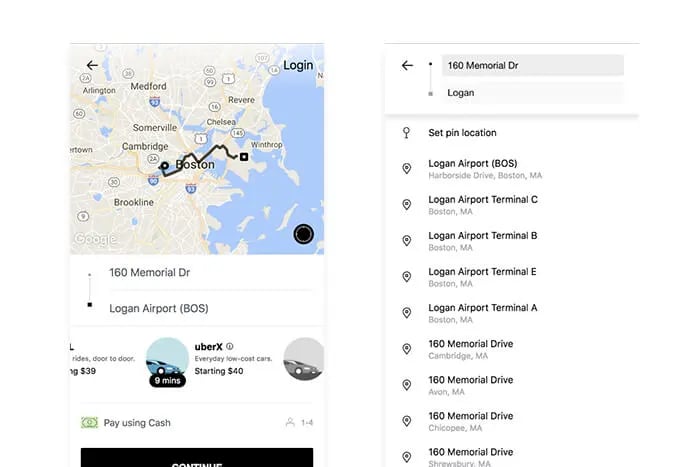
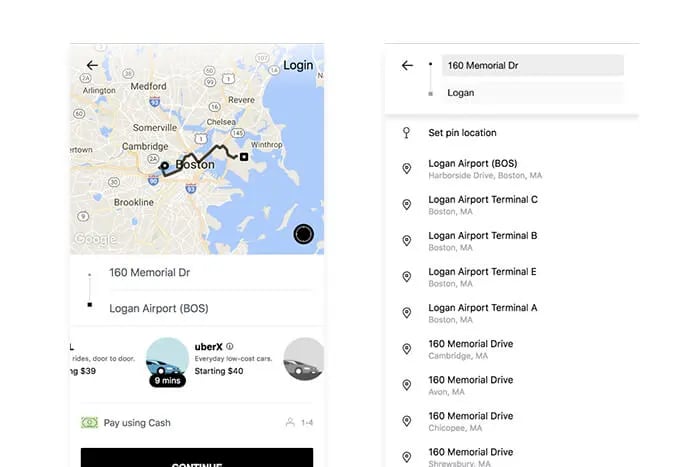
Uber identified that many of its potential users were constrained by low-end mobile devices or limited network access. By building a version of their platform that functions on 2G networks, they expanded their reach into markets that were previously difficult to serve. This strategy ensures that their service is available to anyone with a browser, regardless of their device limitations or location. It is a clear example of how technical flexibility drives market inclusivity. The implementation of a progressive web app allowed Uber to reduce the size of their application significantly, making it accessible to users with limited storage space and slower internet connections. This approach not only broadened their user base but also reduced the support costs associated with maintaining multiple native app versions for different operating systems.
Starbucks
Starbucks utilized this technology to create a lightweight, offline-capable ordering experience. By allowing users to browse menus and customize orders without a constant connection, they reduced the technical barrier to entry. This is particularly effective for customers who may have intermittent signal but still want to prepare their orders in advance. Once the connection is restored, the application syncs, making the final transaction seamless. The success of this initiative is evident in the high volume of orders processed through the platform, demonstrating that users are willing to adopt new technologies if they enhance convenience and efficiency. The ability to queue orders offline is a feature that resonates deeply with busy consumers, providing a level of flexibility that traditional web interfaces cannot match.
2048
As a popular gaming example, 2048 demonstrated how a web-based experience could mirror the engagement levels of a native app. By offering offline play, the developers maintained high levels of user retention. The game feels indistinguishable from a native mobile experience, yet it requires no installation, allowing for instant gratification upon visiting the URL. This case highlights the potential of progressive web apps in the entertainment sector, where immediate access and smooth performance are critical. The game’s success proved that complex, interactive experiences could be delivered via the web without sacrificing quality or engagement, challenging the notion that native apps are the only viable option for gaming.
Pinterest provides perhaps the most compelling evidence for the impact of this technology on revenue. After realizing that their mobile experience was hindered by a 23-second load time, they pivoted to this framework. The results were significant: a 40% increase in time spent, a 44% rise in ad revenue, and a 50% increase in click-through rates. This transformation highlights how reducing friction directly correlates with improved business performance. The improved web performance not only enhanced the user experience but also had a direct positive impact on Pinterest’s bottom line. By ensuring that images loaded quickly and reliably, Pinterest kept users engaged longer, leading to more ad impressions and higher conversion rates. This case study serves as a powerful reminder that technical excellence is not just a developer concern but a critical business driver.
Housing.com
For real estate platforms, the ability to view properties quickly is paramount. Housing.com serves a massive audience with varying network speeds. By implementing this technology, they allowed users to browse listings offline, which is critical for a high-intent, long-cycle industry like real estate. This approach ensures that users can engage with property data at their own pace, even when they are on the move. The ability to save and view listings without an active internet connection addresses a specific pain point for potential homebuyers who may be viewing properties in areas with poor connectivity. This feature enhances the overall user experience, making the platform more useful and reliable for its target audience.
Strategic Considerations for Modern Brands
Integrating this technology requires a thoughtful assessment of your current digital stack. It is not just about the technical implementation; it is about recognizing where your users face the most friction. If your audience is frequently dropping off during the installation process, or if your site performance is failing to meet modern speed standards, this framework offers a clear path toward improvement. The goal is to provide a reliable, fast, and engaging experience that works within the limitations of the user’s environment. Brands must evaluate their specific needs and user behaviors to determine if a progressive web app is the right solution. This involves analyzing data on user drop-off points, device usage, and network conditions to identify opportunities for optimization.
Assessing Your Needs
Consider the following factors when determining if this approach is right for your organization:
- Network environment: Does your audience often face poor connectivity? If so, offline capabilities can significantly enhance user satisfaction.
- Device diversity: Are you trying to reach users on older or budget-friendly hardware? Progressive web apps are designed to perform well across a wide range of devices.
- Conversion barriers: Is the app store install step causing a significant drop in your funnel? Removing this step can lead to higher conversion rates.
- Feature requirements: Do you need push notifications and offline access without the bloat of native code? These features are core to the progressive web app framework.
Practical Steps for Implementation
To successfully implement a progressive web app, brands should follow a structured approach. First, audit your current mobile website for performance issues, such as slow load times or poor responsiveness. Next, identify key features that would benefit from offline access or push notifications. Then, work with your development team to integrate service workers and manifest files, which are essential components of the progressive web app framework. Finally, test the application thoroughly across different devices and network conditions to ensure a consistent user experience. This step-by-step process ensures that the implementation is robust and effective, delivering tangible benefits to both the brand and its users.
Moving Toward AI-Ready Content
As the search landscape shifts toward generative AI, the structure of your web content becomes increasingly important. Ensuring that your platform is not only fast and accessible but also technically optimized for discovery is a key component of modern digital strategy. When your content is easy for both humans and machines to parse, you position your brand to remain visible in the evolving search ecosystems. By focusing on technical excellence, such as fast load times and clean, accessible code, you build a foundation that supports both user experience and long-term brand authority. Progressive web apps, with their emphasis on performance and structure, are well-suited to meet the demands of AI-driven search engines. They provide a clear, organized framework for content that can be easily indexed and understood by algorithms, enhancing your brand’s visibility in an increasingly competitive digital landscape.





