The Strategic Mechanics of HQ Trivia
Marketing success often hinges on how effectively a brand can synchronize user behavior with a specific, recurring experience. HQ Trivia arrived as a live, game-show-style application that fundamentally altered the digital landscape by requiring users to participate at exact, non-negotiable times. By enforcing specific windows for engagement—typically 3:00 PM and 9:00 PM Eastern Standard Time—the brand manufactured a sense of urgency that traditional, on-demand content often fails to capture. This scarcity-driven model transformed casual app usage into a scheduled appointment, fostering a dedicated community of millions who tuned in simultaneously.
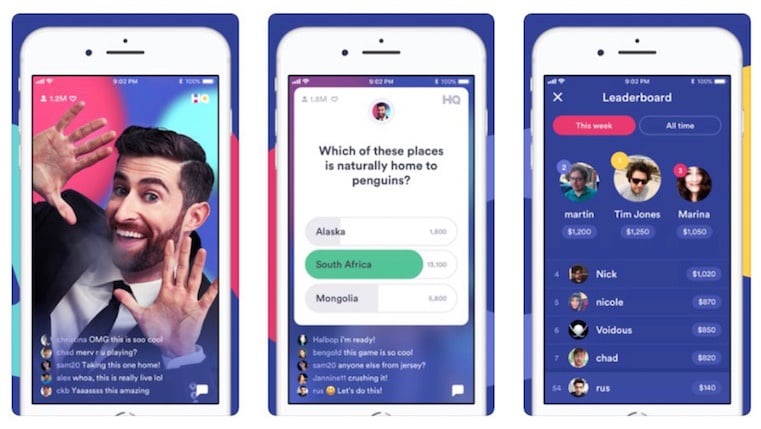
The brilliance of this strategy lies in its ability to force a habit. By removing the “anytime access” model common to most digital services, the brand created a cultural moment that demanded presence. This constraint paradoxically increased the value of the service; because the game was only available for a few minutes each day, users felt a heightened need to prioritize it. This is a powerful lesson in growth marketing: when you limit access to a high-quality experience, you generate a level of anticipation that drives consistent, long-term user engagement.
The Power of Synchronous Participation
Synchronous participation creates a shared reality for the user base. When millions of people know that a specific event is occurring at the exact same moment, the potential for social interaction explodes. This shared experience acts as a glue, binding users together through a collective narrative. For businesses, this means that creating a “live” event—whether it is a webinar, a product launch, or a community challenge—can generate significantly more buzz than static, evergreen content.
Transitioning from Spectator to Participant
The shift from being a passive consumer to an active participant is the hallmark of high-growth platforms. HQ Trivia did not just ask users to watch; it asked them to compete. By requiring active input to progress, the brand ensured that the user was mentally present. To replicate this, businesses must find ways to invite their audience to contribute, vote, or compete, thereby turning the brand experience into a two-way conversation rather than a one-way broadcast.
The Psychology of Participation and Retention
At the core of the HQ Trivia experience was a powerful psychological driver: the near-miss effect. Many participants found that even when they were eliminated early due to a difficult question or a technical glitch, they continued to watch the remainder of the game. This behavior stems from the desire to see if they would have answered the remaining questions correctly. By allowing users to remain as observers even after their participation ended, the brand maintained its hold on their attention span, reinforcing the habit of returning for the next scheduled broadcast.
Why Near-Misses Drive Engagement
Losing a round of trivia often triggers an “I’ll show you” mindset in the user. This competitive impulse acts as a potent motivator, encouraging players to return for subsequent sessions to improve their performance or simply to prove their knowledge. This phenomenon highlights a key marketing principle: the goal isn’t always to make it easy for the customer to win. In fact, creating a challenge that is difficult but fair often generates more long-term engagement than a system where success is guaranteed. The psychological sting of a near-miss creates a “hook” that is far stronger than the satisfaction of a simple win.
The Role of Social Validation
Beyond individual performance, the social aspect played a significant role in the platform’s viral growth. Users frequently shared their results on social media, using their performance as a form of social currency. This behavior turned the app into a shared cultural touchpoint. For businesses looking to scale, this underscores the importance of building features that allow users to naturally broadcast their successes. When your product provides an easy way for users to brag or share their progress, your community becomes your most effective marketing channel. Social proof, when organic and earned through gameplay, is the most authentic form of growth marketing available.
Managing Technical Expectations
It is worth noting that even high-growth platforms are not immune to technical instability. HQ Trivia frequently faced glitches that prevented users from answering questions. Surprisingly, these issues did not result in mass abandonment. Because the core value proposition—the social, live, and competitive experience—was so compelling, users were willing to overlook functional flaws. This suggests that if a product delivers a sufficiently unique and engaging value, customers are often more forgiving of technical hurdles than if the product were merely a standard utility. The strength of the community and the thrill of the game acted as a buffer against the frustrations of a buggy interface.
Applying Gamification to Modern Marketing Strategies
Integrating gamification into a business model requires more than just adding points or leaderboards; it requires a deep understanding of what drives your specific audience to act. Whether you are a SaaS provider or a service-oriented company, the goal is to create a structure that encourages consistent interaction. By framing your service offerings as part of a larger, community-driven challenge, you can foster a sense of shared purpose among your users. This is what separates a product that is used occasionally from one that becomes part of a user’s daily routine.
Designing Effective Challenges
To successfully gamify a marketing strategy, you must balance the difficulty of the challenge with the reward. If a task is too simple, it becomes boring; if it is too hard, it becomes frustrating. The “sweet spot” involves creating a series of micro-challenges that offer immediate feedback and a sense of progression. By breaking down your broader marketing goals into smaller, gamified steps, you can guide your audience through a journey that feels like a game rather than a chore.
Building Community Through Interaction
Gamification is strongest when it facilitates social connection. A leaderboard is only effective if users care about their standing relative to their peers. By fostering a sense of community, you turn individual users into a cohesive group that supports and competes with one another. This community-first approach ensures that your audience retention remains high, as users return not just for the product, but for the relationships they have built within the platform.
Actionable Steps for Implementation
- Establish a predictable schedule for your interactive content to build anticipation. Consistency is the foundation of habit formation; when users know when to show up, they are more likely to make your brand a part of their daily life.
- Incorporate social sharing mechanisms that allow users to display their expertise or milestones. This turns your users into brand advocates who help spread your message to their own networks.
- Create challenges that are difficult enough to encourage repeat attempts but fair enough to remain rewarding. Use data to calibrate difficulty levels so that your audience feels constantly challenged but never defeated.
- Focus on the community aspect by allowing users to observe, comment, or interact with one another during the experience. Real-time interaction creates a sense of belonging that is difficult to replicate through static content.
- Monitor how your audience reacts to both successes and failures to refine the difficulty level of your engagement tactics. Listen to user feedback to understand what aspects of the game are most compelling and double down on those elements.
Ultimately, the success of a platform like HQ Trivia serves as a reminder that the most effective marketing often feels less like a promotion and more like an experience. In an era where attention is the most valuable currency, brands that successfully create a ritualistic, interactive environment will always find themselves at a distinct advantage. By focusing on the intersection of community, challenge, and consistent engagement, you can build a brand presence that resonates deeply with your audience, moving beyond simple transactions to create lasting, meaningful connections that endure well beyond the initial interaction.





