Understanding Latent Semantic Indexing and Search
Latent semantic indexing is an information retrieval technique developed in the late 1980s to help computers understand the relationships between words and documents. It is a mathematical method designed to uncover hidden patterns of meaning, or “latent” connections, across large bodies of text. By analyzing how often terms co-occur, the technique allows systems to grasp that different words can refer to the same concept, or that a single word might have multiple meanings depending on its context. This statistical approach was groundbreaking for its time, offering a way to move beyond simple keyword matching and begin to understand the thematic structure of documents.
While this was a significant advancement in computer science, it is frequently misunderstood in the context of search engine optimization. Many professionals mistakenly believe that incorporating specific terms into their content can trigger a ranking boost because Google uses LSI to evaluate pages. However, Google does not use latent semantic indexing as a ranking factor. The confusion often stems from the fact that modern search engines do use advanced semantic understanding, but these systems operate on entirely different principles than the statistical methods of the 1980s. The original LSI algorithm relied on singular value decomposition, a linear algebra technique that is computationally expensive and lacks the contextual nuance required for modern, complex queries.
Why the LSI Myth Persists
Despite clear statements from Google spokespeople that LSI is not part of their algorithm, the term remains common in SEO discussions. This persistence is partly due to the fact that the underlying instinct to use contextually relevant language is correct. When writers include related topics and natural language variations, content often performs better. Marketers have traditionally attributed this success to LSI, and the label has become ingrained in industry terminology. The term serves as a convenient shorthand for “topically relevant keywords,” even if the technical mechanism is entirely different.
Additionally, the proliferation of “LSI keyword generators” in various tools has given the concept a false sense of legitimacy, keeping the myth alive long after it should have faded. These tools often simply scrape related search terms or autocomplete suggestions and label them as LSI keywords. This creates a feedback loop where SEOs use these tools, see improved rankings due to better topical coverage, and mistakenly credit the “LSI” label rather than the actual improvement in content quality and relevance. Understanding this distinction is crucial for developing an accurate mental model of how search engines work.
The Danger of Misapplied Terminology
Using outdated terminology can lead to ineffective strategies. When marketers focus on “LSI keywords,” they often treat them as a checklist of terms to insert into their content, rather than focusing on the underlying concepts and user intent. This can result in content that feels forced or unnatural, as writers try to shoehorn in specific phrases that may not fit the context. In contrast, modern semantic SEO focuses on the holistic coverage of a topic, ensuring that the content addresses the user’s query comprehensively and naturally. By moving away from the LSI myth, SEOs can focus on more effective strategies that align with how modern search engines actually evaluate content.
The Reality of Semantic Keyword Research
Modern search engines are built around entity recognition and the complex relationships between people, places, things, and concepts. Rather than relying on simple co-occurrence patterns, Google uses sophisticated machine learning models to interpret user intent and match it with the most relevant, comprehensive content. What many people refer to as LSI keywords are, in practice, simply semantically related terms that help define the topical neighborhood of a piece of content. These terms are not magical ranking factors; they are simply the language that users and experts use when discussing a particular topic.
Benefits of Comprehensive Topic Coverage
Focusing on topic depth rather than specific keyword lists provides several advantages for your organic visibility. When you thoroughly cover a subject, you naturally include the questions, subtopics, and related concepts that your audience cares about. This approach signals to search engines that your page is a comprehensive resource, which often helps you rank for a broader range of related search queries. By covering the topic in depth, you demonstrate expertise and authority, which are key signals for modern search algorithms.
Furthermore, writing with semantic variety leads to more natural, human-sounding content that avoids the repetitive, forced phrasing often associated with older optimization tactics. When you write for humans first, you naturally use a variety of synonyms, related terms, and contextual phrases. This not only improves the user experience but also helps search engines understand the full scope of your content. A page that covers a topic comprehensively is more likely to satisfy user intent, leading to better engagement metrics and higher rankings.
Aligning Content with User Intent
Perhaps the most important aspect of modern semantic optimization is intent matching. Google prioritizes content that fulfills the specific goal of the searcher, whether that is learning, purchasing, or finding a quick answer. No amount of related keywords can compensate for content that fails to serve the user’s actual needs. Instead of chasing a specific list of terms, you should focus on creating content that answers the primary question of your audience while providing enough depth to keep them engaged.
To achieve this, it is essential to understand the different types of user intent. Informational intent seeks knowledge, transactional intent seeks to complete a purchase, and navigational intent seeks to find a specific website. By identifying the intent behind a query, you can tailor your content to meet those specific needs. For example, if a user is searching for “best running shoes,” they likely have transactional intent and want to compare options. If they are searching for “how to tie running shoes,” they have informational intent and want step-by-step instructions. Aligning your content with user intent is the cornerstone of effective semantic SEO.
How Modern Search Engines Understand Language
Google currently employs a suite of advanced technologies that make earlier statistical methods look quite primitive. Understanding these systems is essential for anyone aiming to maintain visibility in a search landscape that is increasingly dominated by AI-generated answers and generative search experiences. These technologies allow search engines to understand the meaning behind words, rather than just matching strings of text. This shift from keyword-based search to semantic search has profound implications for how content should be created and optimized.
Core Technologies Powering Search
- BERT: Launched in 2019, this model reads text bidirectionally, allowing Google to understand the context of each word in relation to every other word in a sentence. This enables the engine to interpret nuance and handle ambiguous phrasing effectively. For example, BERT can understand that “bank” in “river bank” is different from “bank” in “savings bank,” based on the surrounding words. This level of contextual understanding was impossible with earlier algorithms.
- RankBrain: A machine learning system that maps unfamiliar or brand-new queries to concepts the search engine already understands, ensuring relevant results even for unique search phrases. RankBrain helps Google handle the billions of new queries it receives every day, many of which it has never seen before. By clustering similar queries and understanding the intent behind them, RankBrain can serve relevant results even for novel searches.
- The Knowledge Graph: This system structures data about real-world entities, allowing Google to understand how different concepts, people, and places are connected, moving far beyond basic keyword matching. The Knowledge Graph allows Google to answer questions directly, such as “Who is the CEO of Apple?” by pulling information from its structured database. This entity-based understanding is a key component of modern semantic search.
- Transformer Models: These neural network architectures power the sophisticated, contextual understanding of language that allows search engines to match complex queries to content based on meaning rather than keyword overlap. Transformers are the foundation of many modern AI systems, including large language models. They allow search engines to understand the subtle nuances of language, including sarcasm, idioms, and implied meaning.
Adapting to the AI Search Era
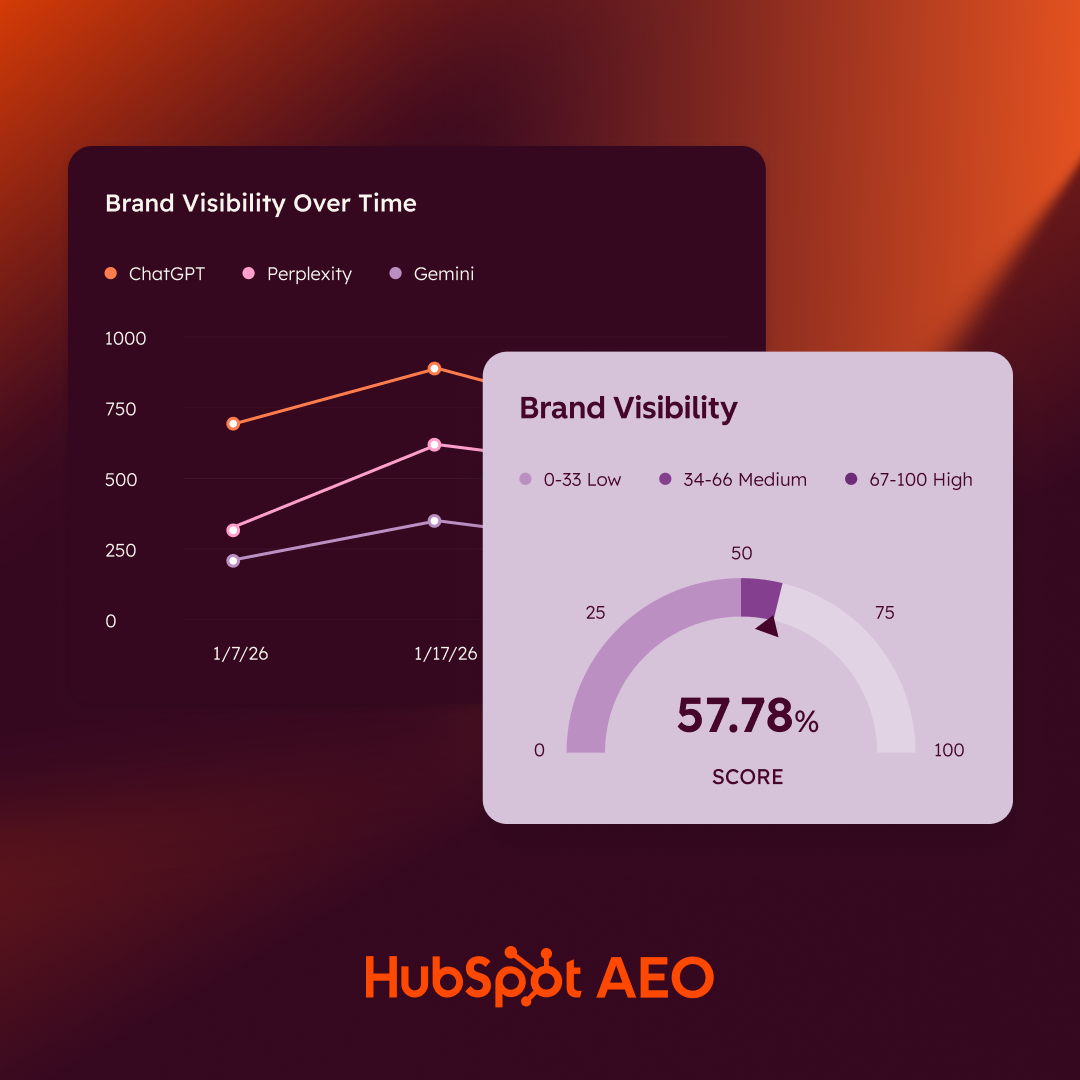
As more users turn to AI-powered answer engines to begin their research, the principles of semantic SEO become even more critical. These systems rely on the same content attributes—topical authority, clear entity representation, and direct answers—that help websites rank in traditional search. For brands looking to maintain a presence in these new environments, it is necessary to track how and where they are being cited in AI-generated responses. By monitoring these AI mentions and analyzing the citations provided, organizations can identify and close visibility gaps, ensuring their content remains a trusted source in the evolving search ecosystem.
The rise of generative search means that users may not always click through to your website. Instead, they may get their answer directly from the AI interface. This makes it essential to create content that is authoritative, accurate, and easy to understand. AI systems are more likely to cite sources that are well-structured, factually correct, and comprehensive. By focusing on these qualities, you can increase your chances of being cited in AI-generated answers, even if you don’t get a direct click.
Practical Steps for Semantic Content Strategy
Building a strategy around topical depth and intent is more effective than chasing outdated keyword tactics. A thoughtful approach focuses on creating authoritative content that naturally addresses the full scope of a topic. This requires a shift in mindset from keyword optimization to topic optimization. Instead of asking “What keywords should I target?”, you should ask “What questions does my audience have about this topic?” and “How can I provide the most comprehensive and helpful answer?”
Techniques for Comprehensive Research
- Utilize Search Features: Leverage Google’s own search interface, including autocomplete suggestions, the “People also search for” section, and the “People Also Ask” boxes. These tools provide direct insight into the language and questions your audience is actually using. By analyzing these features, you can identify the specific queries and concerns that are top of mind for your audience. This helps you create content that is directly relevant to their needs.
- Analyze Competitor Content: Use content intelligence platforms to identify the topics, questions, and concepts that top-ranking pages cover. Treat these tools as diagnostic aids to ensure your content is comprehensive, rather than as checklists for keyword density. Look for gaps in the existing content that you can fill. Are there subtopics that are under-covered? Are there questions that are not fully answered? By addressing these gaps, you can create content that is more valuable than what is currently available.
- Map Audience Questions: Tools that visualize search queries by modifiers—such as who, what, where, why, and how—can help you plan the structure of your content, ensuring you address the full landscape of an audience’s needs during the early planning phase. This helps you create a logical flow for your content, guiding the reader through the topic in a way that is easy to understand and engaging.
- Leverage Natural Language Analysis: Use machine learning tools to analyze your own content, checking which entities are identified and how the text is classified. This can help ensure your pages are being interpreted by search engines in the way you intended. If your content is not being classified correctly, it may not be ranking for the queries you expect. By using these tools, you can identify and fix any issues with your content’s semantic structure.
Measuring Success Beyond Rankings
While search rankings remain important, they tell only part of the story. To truly understand if your content is serving its audience, you should monitor engagement signals such as time on page, scroll depth, and return visits. These metrics provide a clearer picture of whether your content is truly providing the value that searchers are looking for. If users are spending a lot of time on your page and scrolling through the entire content, it is a good sign that they find it valuable. If they are bouncing quickly, it may indicate that your content is not meeting their expectations.
By shifting your focus from keyword frequency to genuine topical depth, you build a foundation that is resilient against algorithm changes and better positioned to capture attention in both traditional search results and emerging AI-driven answer engines. This holistic approach to content creation ensures that you are not just optimizing for search engines, but also for the humans who are using them. By creating content that is comprehensive, authoritative, and engaging, you can build long-term success in the ever-changing world of search engine optimization.





