Meme marketing is a strategic approach that utilizes humor and cultural relevance to capture attention in digital spaces. While some dismiss these visuals as trivial, they often represent a high-leverage method for brands to build visibility and engage audiences. When executed with intent, meme marketing functions as a modern iteration of humor-based advertising, allowing organizations to connect with shifting demographics like Gen Z and Gen Alpha through shared cultural moments. This form of content creation bypasses the traditional barriers of polished advertising, offering a direct line to consumer consciousness through relatability.
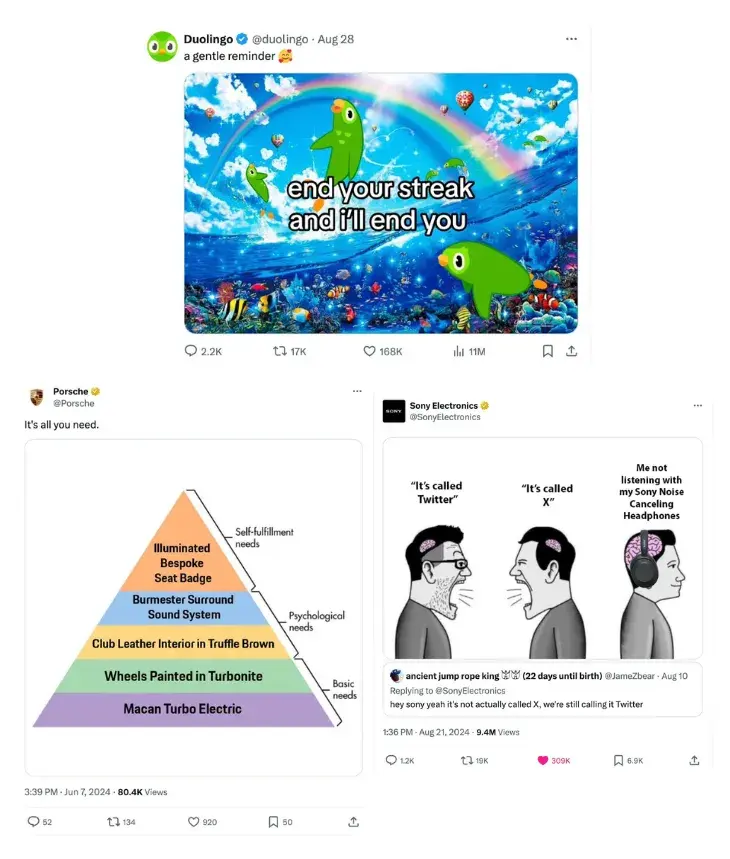
At its core, meme marketing relies on the ability to achieve significant reach with minimal production overhead. Because these assets are often fast to produce and inherently shareable, they offer a unique way to gain traction in competitive attention economies. Major brands across sectors—from software to consumer goods—have integrated these tactics to humanize their presence and foster community. By understanding the underlying mechanics of this approach, you can evaluate how it fits into your broader communication strategy. The key is recognizing that memes are not just jokes; they are a language of their own, one that signals cultural awareness and social proof.
Why Meme Marketing Provides High Leverage
Leverage in a marketing context refers to the capacity to generate outsized impact from a limited set of resources. Meme marketing is frequently cited as one of the most efficient levers available today because it is cost-effective, rapid to deploy, and highly optimized for viral distribution. Unlike polished, high-budget creative campaigns, memes prioritize relatability and timing over aesthetic perfection. This shift in priority allows smaller teams to compete with larger entities that have bigger budgets but slower approval processes.
The Mechanics of Viral Potential
Memes thrive on the internet because they function as a shorthand for complex ideas or shared experiences. When a brand identifies a cultural touchstone or a common industry frustration, it can distill that sentiment into a single image or short video. This efficiency allows for a high volume of output, which increases the likelihood of resonance with a specific audience. The objective is not to manufacture a complex narrative, but to participate in an ongoing conversation that your target customers are already having. By inserting your brand into this dialogue, you become part of the cultural fabric rather than an external advertiser interrupting it.
Balancing Speed and Quality
In the attention economy, speed is often more valuable than production quality. Many successful meme creators prioritize the ability to react to current events or industry trends in real-time. By utilizing accessible tools rather than complex design software, teams can remain agile. This responsiveness helps maintain a brand’s relevance, as the window for capitalizing on a specific meme trend is often narrow. Focusing on the humor and the message rather than the visual fidelity allows for the consistency required to build a distinct voice. Audiences often prefer raw, authentic content over sterile, over-produced assets because it feels more genuine and less like a sales pitch.
Cost Efficiency and Resource Allocation
Beyond speed, the financial implications of meme marketing are significant. Traditional advertising requires substantial investment in research, creative development, and media buying. In contrast, meme creation can be handled by a small team or even a single social media manager using free or low-cost tools. This democratization of content creation means that brands can experiment with different tones and formats without risking significant capital. The low barrier to entry encourages iteration, allowing marketers to test what works and discard what does not, thereby refining their digital marketing strategy through real-time feedback loops.
Establishing Industry Fluency
Effective meme marketing requires deep immersion in the subject matter you intend to address. You cannot authentically participate in a niche conversation if you are unfamiliar with the nuances, jargon, and current pulse of that industry. Before attempting to build a meme strategy, you must first establish a baseline of fluency within your specific domain. This fluency goes beyond surface-level knowledge; it requires an understanding of the unspoken rules, inside jokes, and daily struggles that define your audience’s professional or personal lives.
Identifying Industry Zeitgeist
To create content that resonates, you need to understand the zeitgeist of your target audience. This involves active participation in the platforms where your community congregates and staying updated on the topics they discuss most frequently. If you are targeting venture-backed startups, for instance, you should be familiar with the common challenges founders face, the shifting landscape of funding, and the specific humor that defines that ecosystem. Without this context, attempts at humor often feel disconnected or forced. Brands that fail to grasp the zeitgeist risk appearing out of touch, which can damage brand visibility and trust.
Mapping User Pain Points
Memes are most effective when they articulate a shared struggle or a common experience. By identifying the specific friction points your users encounter, you can craft content that acknowledges their reality. If your audience consists of software engineers, the memes might focus on the complexities of debugging or the frustrations of legacy systems. If you are targeting accountants, the content might center on the nuances of financial software or end-of-quarter pressure. Addressing these pain points shows that you understand your customer’s day-to-day existence. This empathy builds a stronger connection than generic promotional content ever could.
Leveraging Social Media Trends
Staying ahead of social media trends is crucial for maintaining relevance. Trends evolve rapidly, and what is funny today may be obsolete tomorrow. Marketers must monitor hashtag performance, viral challenges, and emerging formats on platforms like TikTok, Twitter, and Instagram. By integrating these trends into your content creation process, you ensure that your brand remains visible in the feeds of your audience. However, it is essential to adapt trends to fit your brand’s voice rather than blindly copying them. This adaptation process ensures that the content feels native to your brand while still participating in the broader cultural conversation.
Selecting Targets and Managing Brand Perception
One of the most important considerations in meme marketing is understanding who you are poking fun at and who you are not. While it is acceptable to use humor to critique trends or industry behaviors, it is vital to remain selective about your targets to ensure you do not alienate your core customer base. A strategic approach involves identifying groups or behaviors that are safe to critique while protecting the dignity of your primary audience. This balance is delicate but essential for maintaining a positive brand image.
Defining Boundaries of Offense
It is possible to be humorous without resorting to derogatory language or offensive tropes. The goal is to create content that feels like an ‘insider’ joke rather than an attack. For example, a company providing tools for founders might create content that highlights the eccentricities of venture capital, but it would be counterproductive to mock the founders themselves. Establishing these boundaries early ensures that your humor reinforces your brand identity rather than undermining the trust you have built with your users. Brands must conduct regular audits of their content to ensure it aligns with their values and does not inadvertently offend sensitive groups.
Embracing the Role of the Jester
There is a perception that being ‘serious’ is the only way to be professional. However, adopting a playful tone can demonstrate a level of confidence and strength. By refusing to take yourself too seriously, you signal that your brand is secure enough to participate in the broader culture. This is often referred to as ‘cringe arbitrage’—the willingness to do what others find uncomfortable in exchange for greater attention. When you remove the fear of being perceived as unprofessional, you open up new creative possibilities for engagement. This approach can differentiate your brand in a crowded market, making it more memorable and relatable.
Risk Management in Humor
Humor is subjective, and what one audience finds funny, another may find offensive. To mitigate this risk, brands should develop a clear editorial guideline for meme creation. These guidelines should outline acceptable topics, tone, and visual styles. Additionally, involving a diverse team in the review process can help identify potential pitfalls before content goes live. By proactively managing risk, brands can enjoy the benefits of meme marketing without suffering the consequences of a public relations misstep. This proactive approach ensures that humor serves as a bridge to the audience rather than a barrier.
Executing a Tactical Meme Strategy
Implementing a meme strategy does not require a massive investment of time or specialized personnel. Instead, it requires a commitment to consistency and a willingness to iterate. The following steps provide a framework for integrating these tactics into your existing operations:
- Audit your industry: Spend time observing the types of content that receive the most engagement within your niche. Look for patterns in what resonates with your audience and identify gaps that your brand can fill.
- Leverage existing tools: Use simple, fast platforms to create your content; focus on the message rather than design. Tools like Canva, Kapwing, or even basic photo editors are sufficient for most meme formats.
- Maintain a consistent voice: Ensure that your humor aligns with your overall brand personality. Whether your brand is sarcastic, whimsical, or dry, the tone should be recognizable across all posts.
- Monitor performance: Observe which topics or formats generate the most interaction and refine your approach accordingly. Use analytics to track shares, comments, and saves, as these metrics indicate true resonance.
- Stay humble: If a meme does not land as expected, simply move on to the next one; the nature of this medium is high-volume and experimental. Do not let failures discourage you; instead, use them as learning opportunities.
Building a Content Calendar
To ensure consistency, integrate meme creation into your broader content calendar. Dedicate specific days or times for posting meme content, allowing your team to prepare assets in advance while leaving room for reactive content. This hybrid approach balances planned content with spontaneous reactions to trending topics. By scheduling meme posts, you ensure that they do not get lost in the shuffle of other marketing activities, maintaining a steady presence in your audience’s feed.
Engaging with the Community
Meme marketing is not a one-way street; it requires active engagement with your audience. Respond to comments, share user-generated memes, and participate in discussions. This interaction fosters a sense of community and encourages others to engage with your content. When users feel heard and valued, they are more likely to share your content, amplifying your reach organically. This social media engagement is a key metric for success, indicating that your brand is not just broadcasting but conversing.
Iterating and Improving
The landscape of meme marketing is constantly evolving. What works today may not work tomorrow. Therefore, continuous iteration is essential. Regularly review your performance data to identify trends and adjust your strategy accordingly. Experiment with new formats, such as video memes or interactive polls, to keep your content fresh and engaging. By staying adaptable and responsive to changes in audience preferences, you can maintain the effectiveness of your meme marketing efforts over the long term.
Ultimately, the value of meme marketing lies in its ability to humanize your brand and foster a sense of shared experience with your audience. As the digital landscape continues to evolve, the ability to communicate with brevity, humor, and cultural awareness will remain a significant advantage. Whether you are a small startup or a large organization, the principles of authenticity and relatability are universal. By focusing on these elements, you can effectively navigate the complexities of social engagement and build a more meaningful connection with your community. This approach not only enhances brand visibility but also cultivates a loyal following that values your brand for its personality as much as its products.





