A sales page is a dedicated web destination designed to clearly articulate the value of your product or service while encouraging visitors to take a specific, measurable action. Unlike a standard homepage that serves multiple purposes, a sales page operates with singular intent: converting interest into a customer relationship. By focusing on the psychological triggers that influence decision-making, you can transform your digital presence into a consistent engine for business growth.
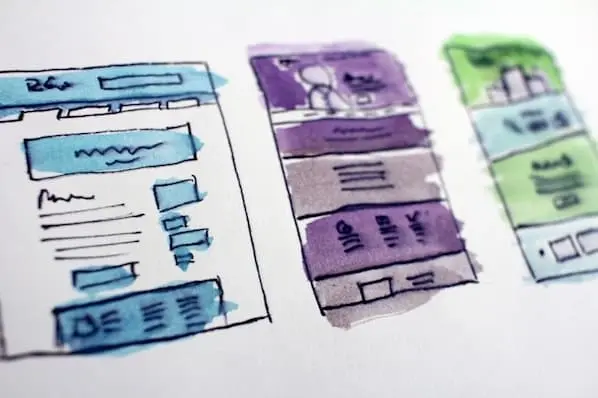
To build a sales page that generates revenue, you must move beyond listing features and instead focus on how your offering improves the life of the user. We can observe how effective copywriters structure these pages by prioritizing the emotional and logical needs of their audience. When you align your messaging with the actual goals of your potential clients, you create a path to conversion that feels both natural and necessary.
Lead with a Universal Benefit
Your primary heading should immediately address a goal your target audience is striving to achieve. Features describe what your product does, but benefits explain why that action matters to the person reading it. When you lead with a benefit, you are speaking to the emotional aspirations of your visitor rather than just their logic.
Why Benefits Outperform Features
Features are technical specifications or components of your service, but they rarely trigger a purchase decision on their own. Customers buy solutions to their problems, not lists of attributes. By focusing on the “what’s in it for me” factor, you shift the conversation from your product to the user’s success. This establishes a stronger connection, as the reader feels you are invested in their personal or professional growth.
Crafting the Perfect Hook
To build a hook that sticks, identify the primary frustration your audience faces and flip it into a positive outcome. Instead of saying “Our software has a fast database,” say “Get your reports finished in minutes, not hours.” This immediate clarity helps the reader understand the value proposition without needing to decipher technical jargon.
Common Mistakes in Headlines
Many marketers make the mistake of using the headline to talk about the brand rather than the user. Avoid starting with your company name or a vague mission statement. Your headline must be about the reader’s future. If the visitor cannot see themselves benefiting from your offer within the first three seconds, they are likely to leave the page.
Connect Features to Desired Outcomes
Once you have captured attention with an aspirational benefit, you must explain the mechanism behind your solution. This is where you connect your specific features to the promises made in your headline. A promise without a clear explanation of how it is fulfilled often leads to skepticism; data, clear descriptions, and logical flow act as bridges between the promise and the reality of your service.
The Bridge Concept
The “bridge” is the logical sequence that moves a reader from their current state of desire to the realization that your product is the missing piece. You must demonstrate that your solution is not just a good idea, but a reliable, proven method for achieving the results you promised. Use bullet points, short paragraphs, and clear headers to break down complex processes into digestible steps.
Evidence-Based Copywriting
Consider how you can support your claims with evidence. If you provide a service, explain the methodology behind your success. If you offer a product, break down the specific components that make it effective. By showing your audience exactly how you deliver on your promises, you build the credibility necessary to move them forward in the decision-making process.
Practical Steps for Feature Mapping
Create a table that lists every feature you offer, then write a corresponding “benefit” for each one. For example, if a feature is “24/7 support,” the benefit is “peace of mind knowing your business never stops.” This exercise ensures that every piece of information on your page serves a purpose in the conversion funnel.
Address Pain Points with Empathy
Empathy is perhaps the most significant tool for building rapport on a digital page. If you can accurately describe the frustrations your audience faces, they will feel understood, which is a fundamental psychological requirement for trust. When you articulate their pain points clearly, you show that you have encountered these issues before and possess the expertise to solve them.
| Strategy | Focus Area | Goal |
|---|---|---|
| Aspirational Hook | Future Success | Capture attention |
| Logical Bridge | Product Features | Build credibility |
| Empathetic Framing | Current Pain | Establish trust |
| Social Validation | Customer Experience | Reduce friction |
Why Empathy Drives Conversions
When a prospect feels understood, their defenses lower. They stop viewing you as a salesperson trying to extract money and start viewing you as a consultant who understands their specific struggle. This shift in perception is critical for high-ticket services or complex products where trust is the primary currency.
Identifying Hidden Frustrations
Go beyond the obvious pain points. While a client might say they need “more time,” the deeper pain might be “missing out on family events because of work.” By tapping into these deeper, more personal frustrations, your copy resonates on a much deeper level.
Avoiding Aggressive Tactics
Do not use fear-based marketing to manipulate the reader. Instead, use empathy to show you understand the weight of their situation. A supportive tone builds a long-term customer relationship, whereas an aggressive tone often leads to buyer’s remorse or high refund rates.
Leverage Social Proof for Credibility
Humans naturally look to others when making choices, especially when a decision involves risk or investment. Incorporating testimonials or case studies serves as social proof, demonstrating that others have trusted your solution and achieved the results they were looking for. This reduces the perceived risk for the visitor and confirms the quality of your work.
Types of Effective Social Proof
Testimonials are the most common, but they are not the only form of social proof. You can also use logos of companies you have worked with, data points regarding your success rate, or even the number of satisfied clients you have served. Each of these elements adds a layer of objective truth to your subjective claims.
Selecting the Right Testimonials
When selecting testimonials, prioritize those that highlight specific outcomes or address common objections your prospects might have. A generic review is helpful, but a detailed account of how your service helped a client navigate a specific challenge is invaluable. By providing this evidence, you create a sense of security that is essential for converting a visitor into a client.
Building a Case Study
If your product is high-value, consider adding a mini-case study. Structure it as: The Problem, The Solution, and The Result. This narrative format allows the reader to see themselves in the shoes of your successful client, making the conversion path feel like a natural progression.
Prompt Action with Clarity and Urgency
Ending your sales page requires a clear, unambiguous call to action that directs the user to the next step. This is the moment to crystallize the emotional and logical arguments you have presented into a single, simple request. If your audience has followed your narrative, they should already understand what you do and why it matters; your final prompt simply provides the vehicle for them to engage.
The Anatomy of a Call to Action
A strong call to action should be direct and action-oriented. Avoid vague language like “Click here.” Instead, use phrases that reinforce the benefit, such as “Start My Free Trial” or “Get My Personalized Plan.” The button should stand out visually, using a color that contrasts with the rest of the page to ensure it is the focal point of the final section.
Creating Ethical Urgency
Consider how you can frame this final request in a way that respects the reader’s time and intelligence. You might also introduce elements of scarcity or exclusivity if they are genuine to your process, such as limited availability for consultations or specific service windows. This creates a subtle sense of urgency that encourages the reader to act now rather than delaying their decision.
The Final Checklist for Conversion
Before publishing, review your page against these criteria: Does the headline address a core desire? Is every feature tied to a benefit? Is the empathy authentic? Is the social proof specific? And finally, is the next step obvious? If you can answer yes to all these, you have created a page that is primed for success and ready to turn visitors into loyal customers.





