AI headshots have become a viral trend for professionals seeking quick and affordable image updates. These services promise to transform casual selfies into polished, corporate-ready portraits for a fraction of the cost and time required for a professional photo shoot. While the accessibility of these tools is tempting, the quality and accuracy of the output often fall short of the professional standards required for career advancement. Because your image is the first thing a recruiter or potential client sees, the decision to use automated tools carries significant weight for your long-term reputation.
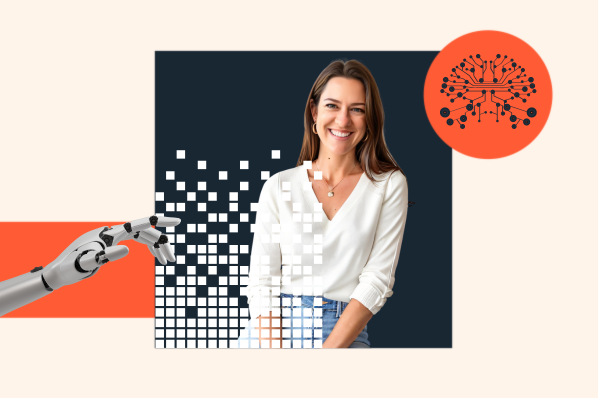
AI headshots are digital portraits generated by machine learning models trained on large datasets to simulate professional photography. By uploading a small batch of personal photos, an AI model analyzes your facial structure and attempts to map it onto a standardized, professional-looking environment. While the efficiency of this process is undeniable, the final results frequently suffer from uncanny, overly-filtered, or distorted features that can undermine your professional credibility.
The Reality of AI-Generated Imagery
When you rely on AI to represent your identity, you are essentially asking a software model to guess what you look like based on statistical averages. The results are often inconsistent, ranging from minor glitches like unnatural teeth or distorted fingers to more significant concerns like altered bone structure or skin tone. Many users find that while the images might look acceptable at a glance, they lack the nuance and humanity that a human photographer captures during a dedicated session.
Beyond the technical glitches, there is the issue of authenticity. A professional headshot is not just a picture of your face; it is a tool for building trust and establishing a personal connection with potential employers or clients. When your image appears filtered or clearly generated by an algorithm, it can signal to others that you may be cutting corners on your professional presence. In an era where AI content is becoming ubiquitous, maintaining an authentic, human-verified image is becoming a key differentiator.
Why Nuance Matters in Branding
The psychological impact of a photograph cannot be overstated. When a viewer looks at a portrait, they are subconsciously scanning for signs of honesty, warmth, and confidence. AI-generated images often fail this test because they lack the “spark” of a genuine human interaction. The eyes, in particular, often appear dead or glassy in AI outputs, which creates a subconscious barrier between you and the person viewing your profile.
Furthermore, the consistency of your brand identity across platforms like LinkedIn, your personal website, and email signatures is vital. AI tools often produce images that look like different people entirely, leading to a fragmented brand identity. If your headshot looks like a polished version of someone else, you risk creating confusion rather than clarity, which can be a major hurdle during the networking and interview process.
Understanding Inherent Bias in AI Models
One of the most concerning aspects of AI-generated headshots is the presence of algorithmic bias. Because these models are trained on existing, often non-representative datasets, they frequently default to Western-centric beauty standards. This can lead to the systematic erasure of ethnic features, such as changing hair texture, eye shape, or skin tone, to fit a preconceived notion of what a professional should look like.
For many professionals, this is not just a technical flaw; it is a fundamental misrepresentation of their identity. When an AI tool alters your appearance to conform to its internal biases, it fails to fulfill the primary purpose of a headshot, which is to accurately represent you. Relying on such tools can inadvertently signal a lack of awareness regarding the limitations and ethical concerns of the AI models currently in use.
The Impact on Diversity and Inclusion
When an AI model strips away unique physical characteristics to align with a generic “professional” aesthetic, it inadvertently perpetuates a narrow view of what success looks like. This is particularly damaging for professionals from marginalized backgrounds who have worked hard to embrace their authentic selves. By using an AI tool that “corrects” these features, you are essentially participating in a cycle that values conformity over true diversity.
Practically speaking, this creates a disconnect when you eventually meet colleagues or hiring managers in person. If your headshot has been altered to look like a generic stock photo, the person meeting you may feel a sense of cognitive dissonance. This initial feeling of being “misled” by your digital presence can be difficult to overcome, regardless of how qualified you are for the position.
Technical Limitations and Quality Control
| Feature | Professional Photography | AI-Generated Headshots |
|---|---|---|
| Accuracy | High: Represents your true likeness | Low: Often creates uncanny distortions |
| Customization | High: Tailored to your brand/personality | Low: Limited to generic templates |
| Bias Risk | Minimal: Human-led creative process | High: Subject to training data biases |
| Investment | High: Time and financial commitment | Low: Minimal cost and instant delivery |
It is helpful to consider that professional photographers understand lighting, angles, and human expression in a way that current AI software cannot replicate. A photographer provides guidance on how to carry yourself, how to look relaxed, and how to project the specific energy you want to convey. AI generators, by contrast, focus on patterns and pixel-matching, which is why the results often feel cold or strangely robotic. If your industry values detail-oriented work, presenting an AI-generated image that includes obvious artifacts can be detrimental to your reputation.
The Role of Lighting and Composition
A professional photographer does more than just press a shutter button; they curate an environment that highlights your best features. They understand how to use light to soften harsh shadows or emphasize your eyes, creating a portrait that feels alive and inviting. AI tools often struggle with these subtle environmental cues, frequently resulting in lighting that looks “pasted on” or inconsistent with the background.
Additionally, the composition of a professional headshot is intentional. A photographer will frame you in a way that conveys authority or approachability, depending on your goals. AI generators often default to a “mugshot” style or a overly dramatic, fake-looking office background. These generic compositions can make you look like a placeholder character in a presentation rather than a dynamic, real-world expert.
When Convenience Outweighs Quality
We understand why the allure of a low-cost, fast-turnaround headshot is strong. For students or those just starting their careers, the cost of a traditional photo shoot can feel prohibitive. However, it is worth weighing the long-term impact of your online presence against the short-term savings of an AI service. Your LinkedIn profile and professional bio serve as your digital business card, and for many, it is the first point of contact.
If you choose to use AI-generated images, consider them a stop-gap rather than a permanent solution. Be aware that as AI search behavior and generative search engines become more sophisticated, the ability to discern human-created content from AI-generated content is also improving. Aligning your professional brand with authentic imagery is a strategic choice that signals maturity and integrity in a market increasingly saturated with automated content.
Practical Steps for a Better Headshot
If you cannot afford a professional photographer right now, you do not have to resort to AI. You can capture a high-quality portrait using a modern smartphone by following a few simple guidelines. First, find a source of natural, indirect light—such as a window during the day—to illuminate your face evenly. Avoid harsh overhead lighting which creates unflattering shadows under your eyes and nose.
Second, pay attention to your background. A plain, neutral wall or a clean, out-of-focus outdoor setting is far more professional than a cluttered room or a fake digital backdrop. Finally, use a tripod or prop your phone up at eye level to ensure the angle is flattering. By taking the time to set up a proper shot yourself, you maintain full control over your appearance and ensure the result is a genuine, high-quality representation of your professional self.
Establishing Your Professional Identity
Ultimately, your headshot is an opportunity to showcase your personality and humanize your professional profile. While technology can help us automate many tasks, some aspects of professional representation are best handled by human expertise. Whether you decide to book a session with a local photographer or take a high-quality photo with a modern smartphone, ensure that the final image is a true reflection of the person you are today.
As you think about how you present yourself online, reflect on the narrative you want your image to tell. Does it speak to your technical skills, your approachability, or your leadership style? These are qualities that an algorithm cannot fully grasp or articulate for you. By prioritizing authenticity, you ensure that your personal brand remains strong, reliable, and uniquely yours in an increasingly automated world.





