Sprint planning is a project management methodology that enables teams to transition from an initial concept to a functional prototype or campaign framework in just five business days. Originally popularized by Google Ventures, this approach focuses on intensive collaboration to solve complex problems, making it highly effective for marketing teams tasked with launching cross-functional campaigns under tight deadlines. By condensing weeks of deliberation into a single, structured week, teams can maintain momentum and ensure that every stakeholder is aligned on the final objective.
This process is particularly valuable for remote teams, where digital communication can sometimes lead to fragmented decision-making or loss of focus. Adopting a sprint structure forces a sense of urgency that naturally minimizes distractions and promotes clear, actionable outcomes. When teams commit to this timeframe, they trade long, drawn-out email threads for concentrated bursts of activity, ensuring that the project remains a priority throughout the work week.
Determining When a Sprint Is Necessary
Not every project requires a sprint. Before committing your team to this intensive process, evaluate the necessity of the approach based on the scope and impact of the work. If your project involves a clear, high-stakes problem that requires input from multiple stakeholders to move forward, a sprint is likely the right choice. Sprints are best suited for projects that have stalled due to indecision or those that require a fresh, creative perspective to break through a plateau.
Evaluating Project Fit
When assessing whether a sprint is appropriate, look for signs of “analysis paralysis.” If your team has spent weeks debating the direction of a campaign without producing a single asset, a sprint provides the necessary pressure to force a decision. Conversely, if a project is purely operational or routine, a sprint may be overkill and could distract from other ongoing responsibilities.
Validating the Decision
Ask yourself these three questions to validate your decision:
- Is the central problem clearly defined and understood?
- Does the complexity of the challenge necessitate input from diverse stakeholders?
- Will solving this specific problem deliver measurable business value?
If you answer yes to these, you have a solid foundation for a sprint. When organizing the group, keep it lean. A group of five to seven people is often the sweet spot for productivity. Larger groups tend to move into “committee mode,” which can hinder effective decision-making. Ensure you include a designated decision-maker who has the authority to issue go or no-go calls on concepts, keeping the team focused on the ultimate goal.
The Five-Day Sprint Framework
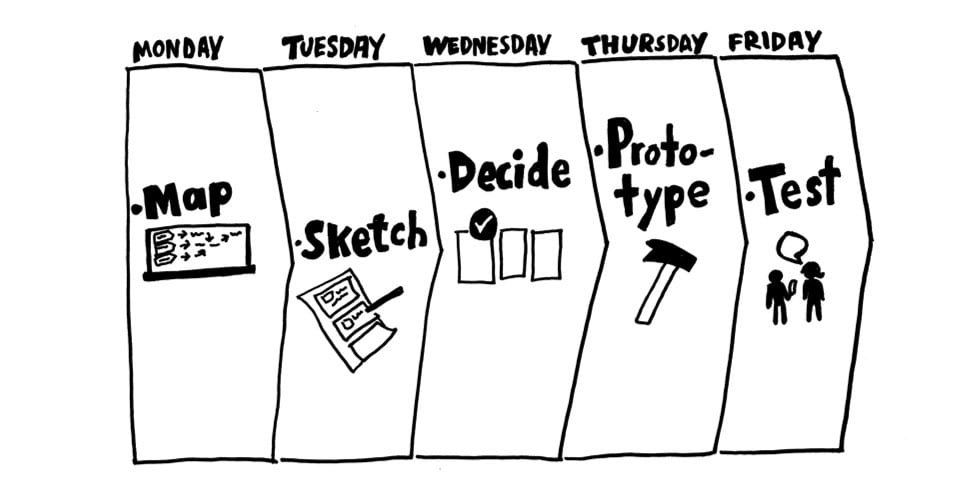
Mapping your sprint across five days ensures that each phase of the project receives dedicated attention. This structure provides a roadmap for the team, with each day building upon the progress of the last. By adhering to this schedule, you create a cadence that allows for both creative exploration and critical evaluation.
Day 1: Map the Journey
Start by defining the objective and reviewing relevant research. For marketing teams, this means mapping the user journey, identifying pain points, and brainstorming potential solutions. By the end of the day, teams should pair up to develop initial concepts for the campaign. This initial phase is about gathering enough information to inform the creative process without getting bogged down in excessive documentation.
Day 2: Sketch and Refine
On the second day, pairs present their concepts to the group. The goal is to provide constructive feedback, select the two most promising ideas, and begin sketching the visual and messaging components for each. This phase turns abstract ideas into tangible sketches. By focusing on the “how” of the campaign, teams can see which ideas are feasible and which need further adjustment before moving into production.
Day 3: The Decision Point
This is the pivot point of the week. Pitch the two final concepts to a senior leader—such as a VP or Director—who was not involved in the daily sprint work. Their objective, external perspective is essential for choosing the direction the team will pursue for the remainder of the project. This prevents internal bias from clouding the decision and ensures the chosen path aligns with broader company objectives.
Day 4: Prototyping Assets
With a concept approved, the team shifts into execution mode. Pairs are assigned specific channels or assets—such as social media ads, email copy, or landing page wireframes—to build out the campaign. The objective is to create a realistic mockup that can be tested. This is not about perfection, but about creating something that looks and feels enough like the final product to gather meaningful feedback.
Day 5: Testing and Feedback
Use the final day to test your prototype with individuals who haven’t been part of the sprint. By observing how they interact with the campaign concept and collecting their candid feedback, you can identify what works and where the messaging might be confusing. This allows you to refine the project before it goes to full production, saving time and resources in the long run.
Strategies for Remote Sprint Success
Managing a sprint while working remotely requires meticulous preparation. Without the benefit of a physical “war room,” you must be intentional about how you host your sessions. For example, scheduling meetings in the morning when team members are typically most alert can help sustain energy levels over the five-day period.
The Role of the Facilitator
The facilitator is the glue that holds a remote sprint together. They must manage the clock, ensure everyone has a voice, and keep discussions from veering off-track. In a remote setting, this often involves proactively calling on quieter team members and using digital tools to ensure that participation is equitable across the board.
Digital Collaboration Best Practices
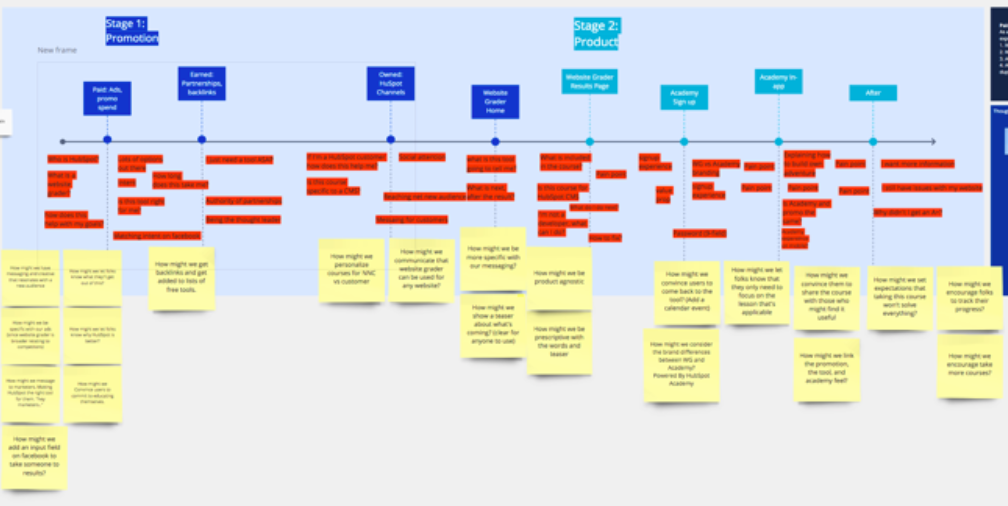
Clear communication is the backbone of remote success. As a facilitator, you should share the agenda and the objective for each day via Slack or email well before the session begins. Using collaborative digital whiteboards allows teams to visualize user journeys and map out pain points in real-time, even when they are not in the same room. These tools bridge the gap between physical and digital collaboration, providing a shared space where ideas can evolve.
Managing Energy and Engagement
Remote work can be draining, especially during intensive planning sessions. To keep engagement high, incorporate short, frequent breaks and encourage the use of cameras to maintain a human connection. Avoid back-to-back video calls; instead, use asynchronous check-ins for status updates so that live time is reserved solely for high-value collaborative work.
Continuous Improvement Through Retrospectives
Even after a successful sprint, there is always room to refine the process. On Day 6, or shortly after the project concludes, hold a brief retrospective to evaluate what went well and what didn’t. Tools that allow for anonymous feedback and voting on improvement areas can help teams identify systemic issues without personal friction.
Identifying Bottlenecks
During the retrospective, look for patterns in where the team struggled. Did the prototyping phase take longer than expected? Was the decision-maker unavailable at a critical moment? Identifying these bottlenecks allows you to adjust your approach for the next sprint, ensuring that each subsequent cycle is smoother and more productive than the last.
Standardizing for Success
Common areas for improvement often include:
- Ensuring stakeholders commit to attending the full duration of the sprint to maintain continuity.
- Creating standardized templates for homework or prep work to ensure everyone is working in the same format.
- Tightening the agenda for specific days to prevent unproductive lulls.
By treating the sprint process itself as a project to be iterated upon, you can increase your team’s efficiency with every cycle. This disciplined approach to planning ensures that you aren’t just working harder, but that you are consistently arriving at better, more strategic marketing decisions. When the methodology becomes a habit, the team gains confidence in their ability to deliver high-quality work, regardless of the complexity of the challenge.





