Video marketing is essential for modern brand visibility, yet the landscape shifts rapidly. Understanding which video marketing tactics yield actual results—and which are losing momentum—is vital for any team aiming to maintain a competitive edge. By analyzing data from over 500 global marketers, we can identify clear trends in how brands allocate their time and budget to reach audiences effectively. This data-driven approach allows teams to move beyond guesswork and focus on strategies that have proven track records in driving measurable business outcomes.

Short-form video currently dominates the field, with 58% of marketers incorporating it into their strategies. Its appeal lies in its efficiency; these clips frequently drive higher engagement, lead generation, and return on investment compared to other formats. Nearly half of all marketing teams are prioritizing this medium for its viral potential and ability to capture attention quickly. The algorithmic nature of platforms like TikTok, Instagram Reels, and YouTube Shorts favors content that retains viewers within the first few seconds, making short-form video a powerful tool for rapid brand discovery.

The Mechanics of Short-Form Success
The success of short-form video is not accidental; it is rooted in the psychology of attention. In an era where digital fatigue is prevalent, users scroll through feeds at high speeds, giving creators only a fraction of a second to hook them. This constraint forces marketers to be more creative and concise, stripping away fluff and focusing on the core message. The result is content that feels authentic, immediate, and highly shareable. For brands, this means that every second of video must serve a purpose, whether it is to entertain, educate, or inspire action.
Practical Steps for Short-Form Integration
If you are looking to integrate short-form content, the focus should remain on brevity and immediate impact within the first few seconds. Start by auditing your existing long-form content to identify key moments that can be repurposed into standalone clips. Look for high-energy segments, surprising facts, or emotional peaks that can stand alone without context. Additionally, invest in vertical video production capabilities, as most short-form platforms are optimized for mobile viewing. Ensure that your captions are bold and readable, as many users watch without sound. Finally, track performance metrics closely, paying attention to completion rates and shares rather than just views, to understand what resonates with your audience.
Long-form video remains a stable secondary pillar, utilized by 37% of marketers. While it requires a greater time commitment from the viewer, it still provides substantial value for deeper storytelling and educational content. The most effective long-form videos typically span three to six minutes. Data suggests that these pieces can maintain a steady watch-time percentage, proving that audiences are still willing to invest time in content that provides genuine depth or utility. This format is particularly effective for building trust and authority, as it allows brands to explore complex topics in detail and demonstrate expertise.

Why Long-Form Still Matters
Despite the rise of short-form content, long-form video plays a critical role in the customer journey, particularly in the consideration and decision stages. Prospective customers often seek detailed information before making a purchase, and long-form videos provide the space to address objections, showcase product features, and tell compelling brand stories. Unlike short-form clips, which are designed for quick consumption, long-form content encourages viewers to engage deeply with the material, fostering a stronger connection with the brand. This format is also highly searchable, making it a valuable asset for SEO and long-term content strategy.
Optimizing Long-Form Content
To maximize the impact of long-form video, focus on creating content that is both informative and engaging. Use clear structures, such as introductions, main points, and conclusions, to guide viewers through the narrative. Incorporate visual aids, such as graphics and b-roll, to break up monotony and reinforce key messages. Additionally, consider adding chapters or timestamps to allow viewers to navigate to specific sections of interest. Promote these videos across multiple channels, including email newsletters, social media, and your website, to ensure they reach the right audience. By providing genuine value, long-form video can become a cornerstone of your content strategy, driving sustained engagement and conversions.
Platforms and Distribution Channels
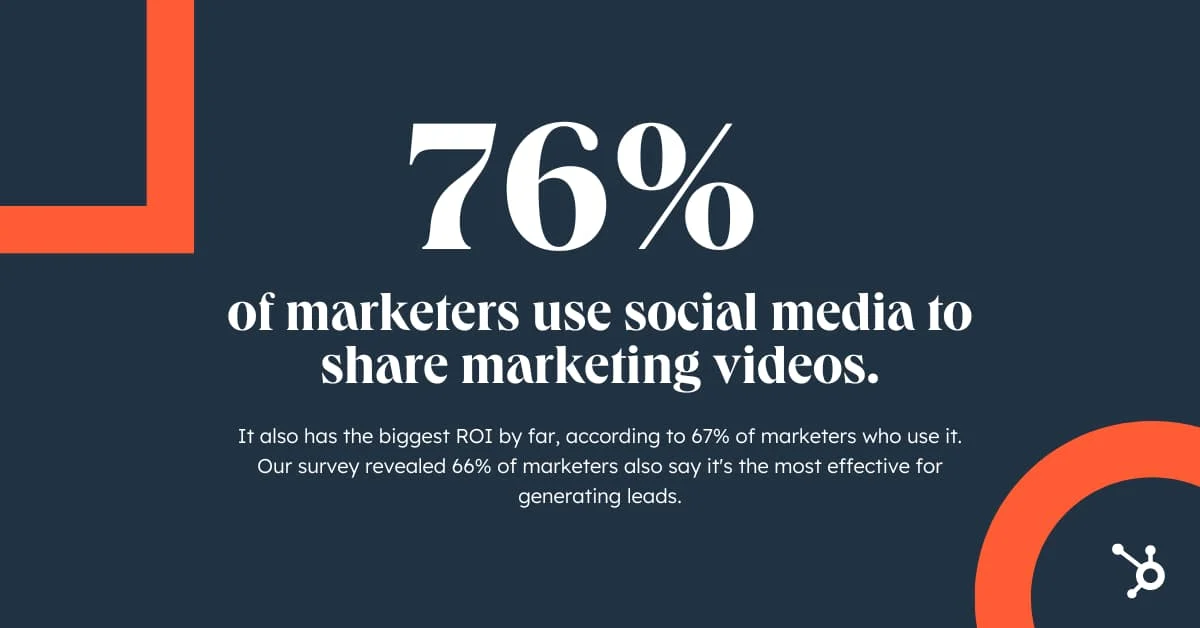
Social media stands out as the primary distribution channel for marketing videos, with 76% of surveyed professionals relying on these platforms to connect with their audience. The return on investment here is notable, as these channels facilitate both lead generation and brand awareness. Among these, Instagram leads in ROI and engagement, while Facebook remains a staple for many, even as its performance metrics vary compared to newer, more video-centric platforms like TikTok. The diversity of social media platforms allows brands to tailor their content to specific audience segments, ensuring that their message reaches the right people at the right time.
The Role of Instagram and TikTok
Instagram continues to be a powerhouse for visual storytelling, offering a range of formats from Stories to Reels to IGTV. Its strong community features and shopping integrations make it an ideal platform for driving direct sales and brand loyalty. TikTok, on the other hand, has emerged as a leader in viral content, particularly among younger demographics. Its algorithm is highly effective at surfacing niche content to interested users, allowing even small brands to achieve significant reach. To succeed on these platforms, brands must adapt their content to fit the unique culture and expectations of each audience, focusing on authenticity and creativity.
Maximizing YouTube Marketing
YouTube continues to hold the highest usage rate among marketers, with 70% of those surveyed actively leveraging the platform. It serves as a long-term repository for brand assets and remains a top priority for future investment. To maximize your presence on YouTube, consider the following best practices identified by industry experts:
- Prioritize strong promotion to ensure your content reaches its intended audience.
- Focus on capturing viewer attention within the first few seconds of the video.
- Keep your narrative concise to maintain engagement throughout the viewing duration.
.webp)
Strategic YouTube Implementation
Implementing a successful YouTube marketing strategy requires more than just uploading videos. It involves creating a cohesive channel identity, optimizing video titles and descriptions for search, and engaging with viewers through comments and community posts. Consider creating playlists to organize content by topic, making it easier for viewers to binge-watch and explore your brand’s offerings. Additionally, leverage YouTube’s analytics tools to understand viewer behavior, such as drop-off points and click-through rates, and use these insights to refine your content strategy. By treating YouTube as a search engine and a social platform, brands can unlock its full potential for driving traffic and conversions.
Tactics Losing Traction
Not every platform or format delivers the results brands expect. Certain channels, such as Reddit, Tumblr, Twitch, Snapchat, and Pinterest, have consistently underperformed in terms of ROI and engagement for many marketing teams. Consequently, these platforms are receiving less attention in current strategic planning. It is worth evaluating your own platform performance to see if your efforts align with where your target audience is most active and responsive. Shifting resources away from underperforming channels allows brands to focus on platforms that offer greater visibility and conversion potential.
Reassessing Underperforming Platforms
The decline in favorability for platforms like Reddit and Tumblr reflects broader shifts in user behavior and platform algorithms. These platforms often have niche communities that are resistant to traditional marketing tactics, making it difficult for brands to achieve meaningful engagement. Similarly, while Twitch and Snapchat have loyal user bases, they may not align with the broader marketing goals of many brands, particularly those focused on lead generation or e-commerce. By regularly auditing platform performance, brands can identify which channels are no longer delivering value and reallocate their budgets to more effective avenues.
The Decline of Nostalgic and UGC Content
Nostalgic content and user-generated content (UGC) are also seeing a decline in favorability. Despite broader cultural trends, data indicates that these specific approaches often fail to convert or engage effectively in a professional marketing context. While UGC can be powerful for building community and trust, it requires careful curation and management to ensure it aligns with brand values and messaging. Nostalgic content, while emotionally resonant, may not always drive immediate action or sales. Brands should approach these tactics with caution, ensuring they are used strategically and in conjunction with other high-performing content types.
The Low ROI of Screen-Capture Videos
Additionally, screen-capture videos have been identified as having the lowest ROI compared to more dynamic formats like live-action filming or animation. While these formats might have a place in specific technical tutorials, they are generally less effective for broader brand-building initiatives. Screen-capture videos often lack the visual appeal and emotional connection that drive engagement and sharing. For brands looking to maximize their video marketing impact, investing in higher-production-value content, such as live-action or animated videos, can yield better results in terms of viewer retention and brand perception.
Assessing Your Strategy
Video marketing is an evolving discipline that requires constant assessment of what works for your specific audience. The data highlights a clear shift toward short-form, high-impact content and a reliance on established platforms like YouTube and Instagram. However, these trends are not universal rules. Your brand strategy should balance these industry-wide benchmarks with your own performance data and customer insights. By regularly reviewing your video marketing metrics, you can identify areas for improvement and capitalize on emerging opportunities.
Building a Data-Driven Approach
To build a data-driven video marketing strategy, start by defining clear goals and key performance indicators (KPIs) for each campaign. Whether your objective is to increase brand awareness, generate leads, or drive sales, having specific metrics allows you to measure success accurately. Use analytics tools to track performance across different platforms and content types, identifying which videos resonate most with your audience. Additionally, conduct A/B testing on elements such as thumbnails, titles, and calls-to-action to optimize engagement and conversion rates. By relying on data rather than intuition, brands can make informed decisions that enhance their video marketing effectiveness.
Adapting to Changing Consumption Habits
Ultimately, the effectiveness of your video marketing rests on your ability to adapt to changing consumption habits while maintaining a consistent brand voice. By focusing on concise, attention-grabbing content and distributing it where your audience is most likely to engage, you can build a more sustainable and impactful video presence. As you refine your approach, consider how these shifts in the broader market might influence your own content calendar for the coming year. Stay agile and responsive to new trends, technologies, and platform updates, ensuring that your video marketing strategy remains relevant and competitive in a rapidly evolving digital landscape.





