5G is the fifth-generation cellular wireless network that connects mobile devices to the internet with significantly higher speeds and lower latency than previous standards. Unlike 4G, which relies heavily on physical cable infrastructure for neighborhood-level connectivity, 5G utilizes cloud-based signaling from cell towers to provide high-speed access to a broader range of devices, including smart home technology, televisions, and high-performance computing units. This transition represents a shift in how we think about digital connectivity, moving from a model defined by tethered reliability toward a more fluid, high-bandwidth wireless experience.
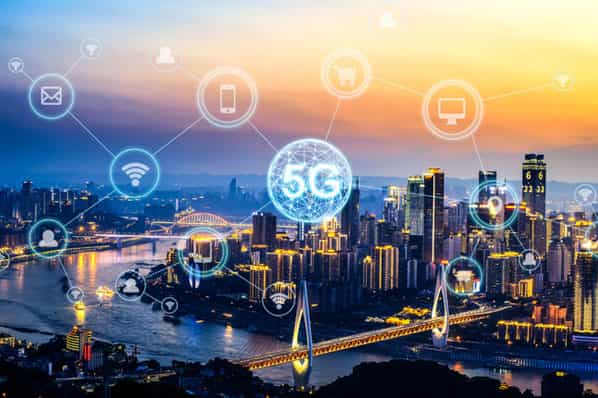
Understanding 5G and Wi-Fi Connectivity
While both 5G and Wi-Fi provide wireless internet access, their underlying architectures and deployment methods differ. Wi-Fi operates on unlicensed spectrum and relies on a central modem and router setup within a local environment, typically connected via physical ethernet cables. In contrast, 5G is a licensed cellular technology that distributes signal through a network of primary towers and smaller localized cells. This infrastructure allows for greater coverage and consistent performance across larger geographic areas. While these technologies currently coexist to provide stable internet access, the increased capacity of 5G will likely reduce our historical reliance on local Wi-Fi hotspots for high-bandwidth tasks.
Technical Foundations
The core difference lies in the spectrum and the management of data traffic. Wi-Fi is designed for short-range, local connectivity within buildings or homes, often suffering from signal degradation through walls and interference from other household devices. 5G, however, is built for scale and mobility. By utilizing a mix of low-band, mid-band, and high-band millimeter-wave frequencies, 5G can handle a significantly higher density of connected devices simultaneously without the bottlenecking commonly associated with public or congested Wi-Fi networks.
Why This Matters for Marketers
For marketing teams, this distinction means that the “always-on” consumer is becoming a reality. Previously, brands had to account for users dropping off when moving between Wi-Fi zones or experiencing poor cellular data speeds. With 5G, the transition between indoor and outdoor digital experiences becomes invisible. This reliability allows for the deployment of marketing assets that require consistent, high-speed data connections regardless of the user’s physical location.
The Future of Your Digital Presence
As network speeds increase, the threshold for consumer patience regarding page load times and media quality will continue to drop. A robust online presence is no longer just a competitive advantage; it is a fundamental requirement for maintaining relevance as users migrate away from traditional media consumption like cable television or print. To prepare for this shift, you should ensure your brand is active across primary social media channels, maintain a well-structured company blog, and invest in high-quality digital content. These assets serve as the foundation for your engagement strategy in an increasingly hyper-connected digital landscape.
Improving User Experience
High-speed connectivity means that users expect high-definition video and interactive elements to load instantly. If your website or application relies on heavy scripts or unoptimized media that causes even a second of delay, you risk losing the user to a competitor. The expectation for instant gratification is rising, meaning that your digital presence must be built for performance.
Practical Steps for Brand Readiness
- Audit your current site speed across mobile devices to identify bottlenecks.
- Compress and optimize all media files, including images and videos, to ensure they load quickly on mobile networks.
- Prioritize mobile-first design, ensuring that your navigation and call-to-action buttons are intuitive for touch interfaces.
- Regularly update your content to ensure it remains relevant to the fast-moving trends that high-speed connectivity enables.
Expanding Ad Real Estate and AR Integration
Faster network speeds enable digital advertising to move beyond standard mobile and desktop displays. With the widespread adoption of 5G, we can expect to see high-fidelity ads appearing in more locations, including smart surfaces and interactive displays in rural or previously underserved areas. Furthermore, the low latency afforded by 5G makes augmented reality (AR) more viable for mass-market campaigns. Brands are already experimenting with AR filters and interactive overlays that allow users to engage with products in their physical environment. As this technology matures, the ability to deliver these experiences without significant buffering will transform how brands approach experiential marketing.
How AR Works in a 5G Environment
Augmented reality requires the real-time processing of visual data. In the past, the lag between a user moving their phone and the digital overlay shifting caused a “jitter” that broke the illusion. 5G’s ultra-low latency ensures that the digital object stays anchored exactly where it should be, providing a fluid and realistic experience. This capability allows brands to create “try-before-you-buy” scenarios for everything from furniture to makeup, significantly reducing the friction in the purchase decision process.
Common Mistakes to Avoid
Many brands make the mistake of using AR as a gimmick rather than a utility. An AR experience should solve a problem or provide genuine entertainment, not just exist for the sake of being “tech-forward.” Ensure that your AR implementation is easy to access, preferably through a web-based browser rather than requiring a separate app download, which often acts as a barrier to entry for potential customers.
Interactive and Immersive Content Experiences
High-speed networks remove many of the technical barriers that previously hindered interactive content. Marketers can now leverage playable ads, where users engage with a mini-version of a product or game within the advertisement, leading to higher conversion intent. Similarly, virtual reality (VR) and AR are becoming more realistic and accessible. Rather than treating these as experimental novelty projects, brands should consider how immersive experiences can provide genuine value to the customer journey. The goal is to move from passive viewership to active participation, utilizing the speed of 5G to support complex, media-rich interactions that were previously constrained by network lag.
The Shift to Active Participation
Interactive advertising transforms the user from a spectator into a participant. By allowing users to interact with a product—such as changing the color of a car in a 3D model or testing a software interface within an ad—you increase the time spent with your brand. This deeper engagement is proven to increase brand recall and conversion rates.
Practical Application Checklist
- Identify areas of your product that are difficult to explain through text or static images.
- Develop short, interactive demonstrations that highlight these specific features.
- Test these interactive modules on mobile devices to ensure they are responsive.
- Monitor engagement metrics specifically related to these interactive elements to refine your approach.
Data Collection and Operational Efficiency
5G will significantly enhance the speed and depth of data collection, allowing for more precise insights into customer behavior. With reduced latency, the time required to aggregate, process, and analyze large datasets is minimized, enabling real-time reporting and more personalized marketing interventions. According to industry standards, 5G supports massive amounts of Internet of Things (IoT) data, which means marketers can gain a more granular view of how their audience interacts with technology across various touchpoints. This efficiency allows teams to shift focus from manual data mining toward creative strategy and high-level decision-making.
Real-Time Analytics
The ability to process data in real-time allows for “moment marketing.” If your data indicates that a user is engaging with a specific type of content at a specific time, you can trigger a personalized offer or message instantly. This speed is critical for maintaining relevance in a crowded market where consumer preferences change rapidly.
The Role of IoT
As more household devices connect to the internet via 5G, the volume of data available to marketers will explode. From smart refrigerators to connected vehicles, every touchpoint provides an opportunity to understand the customer better. The challenge for marketers will be to synthesize this data into actionable insights without becoming overwhelmed by the sheer volume of information.
Preparing Your Strategy for the 5G Era
Adapting to this environment does not require an immediate shift to high-cost, experimental technology. Instead, it involves staying informed about how larger brands are navigating these changes and identifying scalable tactics that fit your specific business model. If you have not yet established a strong digital foundation, prioritize that effort first. Once your core presence is optimized, look for opportunities to integrate new-media elements—such as platform-specific filters or interactive video—that utilize the capabilities of modern, high-speed networks. By focusing on consistent digital engagement and remaining open to emerging interaction formats, you position your brand to thrive as wireless connectivity continues to evolve.
Strategic Considerations
When planning your long-term strategy, consider the infrastructure of your own digital assets. Are your servers prepared to handle the increased traffic that 5G will inevitably drive? Is your content management system capable of delivering high-quality, rich media across various devices? Thinking through these technical requirements now will save you time and resources as the adoption of 5G continues to accelerate across your target demographics.
Staying Ahead of the Curve
Keep a close watch on how your competitors are using interactive media. If they begin to adopt AR or high-fidelity video, analyze the user response. You do not need to be the first to adopt every new trend, but you should be prepared to pivot quickly when a specific technology proves to be effective for your target audience. Focus on building a flexible digital strategy that can incorporate new tools as they become standard.





