Economic shifts and changing consumer behaviors define how new generations approach entrepreneurship. While the 2010s were characterized by a focus on rapid scaling, venture capital reliance, and paid social media acquisition, today’s landscape demands a different strategy. Modern businesses are increasingly prioritizing niche product development and sustainable growth over the aggressive expansion models that dominated the previous decade.
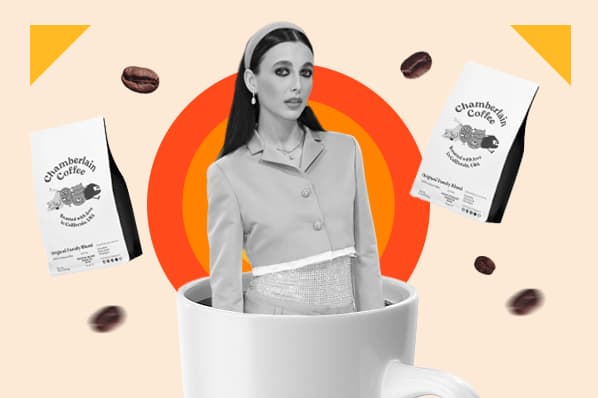
Gen Z entrepreneurs are adapting to a world where interest rates are higher and privacy regulations have significantly altered the efficacy of traditional digital advertising. By focusing on highly specific, targeted offerings, these founders are often able to operate with lower capital requirements while building deeper, more authentic relationships with their communities. Chamberlain Coffee serves as a prime example of this shift, demonstrating how a creator-led brand can evolve from a personal passion into a multi-channel business.
Chamberlain Coffee is a prime example of how Gen Z businesses leverage personal brand equity to bridge the gap between niche content and consumer products. Founded in 2020 by creator Emma Chamberlain, the brand began by focusing on the specific coffee preferences of its founder’s audience. By aligning product development with the creator’s well-documented habits, the company established immediate credibility and a loyal customer base, proving that authentic engagement is a potent alternative to traditional marketing spend.
The Power of Authentic Alignment
The success of Chamberlain Coffee is rooted in its natural connection to the founder’s content. Before the business launched, Emma Chamberlain frequently shared her daily routines, which consistently featured cold brew coffee. This long-term, organic association meant that the launch of a coffee brand felt like a natural extension of her personal brand rather than a forced commercial pivot. For many Gen Z consumers, this authenticity is a critical factor in brand loyalty.
This approach highlights a significant departure from the influencer-led businesses of the past, which often relied on fleeting trends or rapid product turnover. Instead, Chamberlain Coffee focused on specific, high-demand products like cold brew packets and matcha, which directly mirrored the lifestyle content that initially garnered the founder’s following. By solving a problem for her audience—providing the same products she used in her videos—she created a sustainable product ecosystem.
Why Authenticity Drives Retention
The primary driver behind this model is trust. When a founder builds an audience through years of consistent, transparent content, that audience develops a parasocial relationship that translates into high conversion rates. Unlike traditional advertising, which interrupts the user experience, this model integrates the product into the creator’s lifestyle.
Common Pitfalls in Creator-Led Ventures
Many creators fail when they attempt to launch products that do not align with their established content pillars. If a creator known for fitness suddenly launches a luxury home decor line, the audience may perceive the move as a cash grab. The lesson here is that the product must solve a genuine problem or fulfill a desire that the creator has already validated through their content.
Transitioning to an Omnichannel Strategy
Unlike the early direct-to-consumer (DTC) startups of the 2010s that often avoided brick-and-mortar retail to maintain high margins, Gen Z-led brands are adopting a more balanced omnichannel approach. Chamberlain Coffee started as a digital-only entity but quickly expanded into major retail partners including Target, Walmart, and Sprouts. This pivot reflects a broader understanding that customer acquisition now requires a presence wherever the audience shops.
This omnichannel strategy serves two primary purposes: increasing accessibility and diversifying acquisition channels. By placing products in physical stores, the brand reduces its reliance on paid social media algorithms, which have become increasingly volatile and expensive. This move suggests that the future of successful modern retail lies in the intersection of digital community building and physical product availability.
The Benefits of Retail Integration
Retail partnerships provide a level of social proof that digital ads cannot replicate. Seeing a product on a shelf at a major retailer validates the brand’s quality and legitimacy to the average consumer. Furthermore, it creates a physical touchpoint that can lead to repeat purchases, as customers no longer need to wait for shipping or pay for delivery fees.
Managing Inventory and Logistics
Moving from a digital-only model to retail requires a fundamental shift in supply chain management. Brands must account for wholesale pricing, retail margins, and the complexities of physical inventory distribution. This transition requires a high level of operational maturity, as the brand must ensure that product quality remains consistent across thousands of physical locations.
Strategic Collaborations as a Growth Lever
Collaborations have become a hallmark of the Gen Z business playbook, allowing brands to cross-pollinate audiences without the high cost of traditional advertising. Chamberlain Coffee has utilized this strategy by partnering with diverse companies like the cookie dough brand Deux and the hair care brand IGK. These partnerships are rarely random; they are carefully selected to align with the lifestyle profile of the brand’s core demographic.
These collaborations do more than just generate buzz; they validate the brand’s versatility and reach. When a coffee brand successfully launches a matcha dry shampoo, it signals to the market that the brand is a lifestyle entity, not just a commodity producer. This type of strategic expansion allows for growth that feels additive to the brand’s identity rather than a dilution of its core focus.
How to Execute Effective Brand Partnerships
Successful partnerships are built on shared values and complementary audiences. Before entering a partnership, brands should conduct thorough research into the partner’s customer base to ensure there is significant overlap. The goal is to provide value to both sets of customers, rather than simply swapping email lists.
Avoiding Brand Dilution
A common risk in collaboration is the potential to confuse the consumer. If a brand partners with too many unrelated companies, it loses its core identity. To prevent this, successful Gen Z businesses maintain a strict focus on their primary mission, ensuring that every collaboration feels like a natural extension of their brand story.
The Shift Toward Sustainable Growth
Gen Z business models are fundamentally different from their predecessors because they prioritize long-term viability over rapid, venture-backed scaling. The current economic environment, marked by tighter access to capital, has forced founders to focus on profitability and sustainable unit economics from an early stage. This is a shift from the growth-at-all-costs mindset that defined the previous decade.
This approach requires a disciplined focus on what the audience actually wants. By creating super-niche products that solve specific needs, these businesses can maintain lower overhead and higher customer retention rates. The focus is on building a brand that can survive market volatility rather than one that relies on constant infusions of external funding. This shift toward sustainability may well be the most enduring legacy of the current generation of entrepreneurs.
Prioritizing Unit Economics
In the past, many startups operated at a loss to acquire market share. Today, the priority is achieving positive unit economics as quickly as possible. This means keeping customer acquisition costs low and focusing on the lifetime value of each customer. By fostering a loyal community, brands can reduce their dependency on expensive paid advertisements.
Building for Market Volatility
Sustainable growth also involves building a business that is resilient to economic downturns. This means avoiding excessive debt and maintaining a lean operating structure. By focusing on profitability, these businesses can weather periods of low consumer spending and emerge stronger on the other side.
Key Differences Between Millennial and Gen Z Entrepreneurship
Understanding the evolution of business models requires a direct comparison of the priorities that defined the 2010s versus the current decade. The following table highlights the core distinctions in how these groups approach market entry and growth.
| Feature | 2010s (Millennial Focus) | 2020s (Gen Z Focus) |
|---|---|---|
| Growth Strategy | Rapid scaling, high venture capital | Slower, sustainable, niche-focused |
| Customer Acquisition | Paid social media, aggressive ads | Community building, organic content |
| Business Model | Exclusively direct-to-consumer | Omnichannel and retail integration |
| Product Focus | Broad market, mass appeal | Super-niche, lifestyle-aligned |
| Funding Reliance | Heavy reliance on external capital | Bootstrapping or lean operations |
Practical Considerations for Modern Brands
If you are evaluating your own business strategy in light of these shifts, consider how your brand connects with your audience’s daily reality. Are you solving a specific problem that your core customers face, or are you hoping that a broad product offering will eventually find traction? The success of brands like Chamberlain Coffee suggests that the most effective path forward is to start with a deep understanding of your community’s habits and preferences.
Consider the role of partnerships in your growth. Instead of viewing other brands purely as competitors, look for opportunities where a collaboration could provide mutual value and introduce your product to a new, relevant audience. This requires a shift in mindset from protectionism to community-driven expansion. As the digital landscape continues to evolve, the brands that remain flexible and prioritize authentic, sustainable connections will likely be the ones that endure.
Steps to Build a Community-First Brand
- Identify your core niche: Focus on a specific audience segment with a shared interest.
- Foster organic engagement: Use social media to build a dialogue rather than just broadcasting advertisements.
- Validate product ideas: Use feedback loops from your community to inform product development.
- Diversify your channels: Move beyond digital-only models to reach customers where they live and shop.
- Maintain consistency: Ensure your brand voice and product quality remain aligned with your core values.
The rise of creator-led, niche businesses is a response to a more complex and fragmented media environment. The ability to build a brand that feels like a natural part of a consumer’s life—rather than an interruption—is no longer just an advantage; it is a necessity. Watching the trajectory of these businesses provides a clear look at how the next generation of leaders is rewriting the rules of brand building and long-term success.





